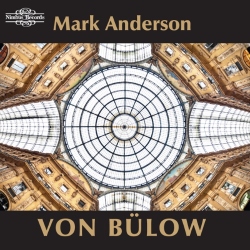
Hans von Bülow
Carnevale di Milano, dances & intermezzi for piano, Op. 21
Released Album
Recent Album

Works Info
Composer:Hans von BülowGenre:KeyboardCompose Date:1871Average_duration:44:16Movement_count:15Movement ....Hans von Bülow's 'Carnevale di Milano, dances & intermezzi for piano, Op. 21' is a collection of ten pieces for solo piano. The work was composed in 1868 and premiered in the same year in Milan, Italy. The ten movements are titled as follows: 1. Introduzione: Allegro vivace 2. Scherzo: Allegro vivace 3. Notturno: Andante con moto 4. Minuetto: Allegro moderato 5. Gavotta: Allegro moderato 6. Intermezzo: Andantino 7. Tarantella: Presto 8. Romanza: Andante con moto 9. Valzer: Allegro moderato 10. Finale: Allegro vivace The work is characterized by its lively and playful nature, with each movement showcasing a different dance style. The opening movement, Introduzione, sets the tone for the entire work with its energetic and virtuosic piano writing. The Scherzo is a fast-paced and whimsical dance, while the Notturno provides a brief respite with its gentle and lyrical melody. The Minuetto and Gavotta are both elegant and refined, with the former featuring a charming trio section. The Intermezzo is a brief interlude that serves as a transition to the more lively second half of the work. The Tarantella is a frenzied and exciting dance, with rapid-fire arpeggios and virtuosic runs. The Romanza is a slow and expressive piece, with a beautiful melody that showcases Bülow's gift for lyrical writing. The Valzer is a graceful and flowing waltz, while the Finale brings the work to a rousing and triumphant close. Overall, 'Carnevale di Milano' is a delightful and entertaining work that showcases Bülow's skill as a composer and pianist. Its lively and varied dance movements make it a popular choice for recitals and competitions, and it remains a beloved work in the piano repertoire.More....
Works Music
Released Music