


Hans von Bülow
Released Album
Keyboard
-
-
 January 14, 2014
 -
 September 26, 2012
 -
 November 2, 2011
 -
 September 15, 1999
Vocal
-
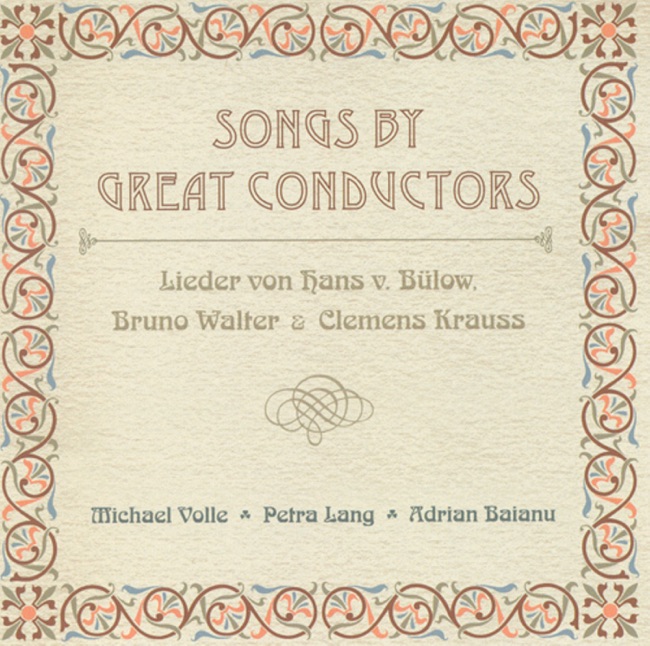 March 25, 2008
Orchestral
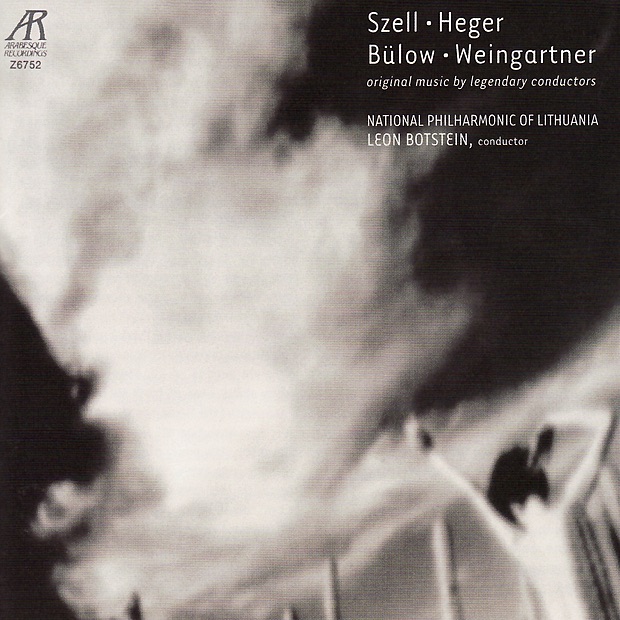
Artist Info
Role:ComposerCountry: GermanyBirth:January 8, 1830 in Dresden, GermanyDeath:February 12, 1894 in Cairo, EgyptPeriod:RomanticGenre:KeyboardHans von Bülow was a German pianist, conductor, and composer who lived from 1830 to 1894. He was born in Dresden, Germany, to a family of musicians. His father was a cellist and his mother was a singer, and both of his parents were members of the Dresden Court Orchestra. Bülow began his musical education at a young age, studying piano with Friedrich Wieck, the father of Clara Schumann. He made his public debut as a pianist at the age of nine, and by the time he was a teenager, he was already performing in concerts throughout Germany. In 1848, Bülow moved to Berlin to study with Franz Liszt, who was one of the most famous pianists and composers of the time. Liszt was impressed with Bülow's talent and took him on as a student, teaching him not only piano but also composition and conducting. Bülow quickly became one of Liszt's favorite pupils, and the two men developed a close relationship that lasted for many years. Bülow's career as a pianist took off in the 1850s, and he became known throughout Europe for his virtuosic performances. He was particularly admired for his interpretations of the music of Beethoven, Liszt, and Wagner, and he was one of the first pianists to perform all of Beethoven's piano sonatas in public. Bülow was also a prolific composer, and he wrote a number of works for piano, orchestra, and chamber ensembles. In addition to his work as a pianist and composer, Bülow was also a highly respected conductor. He made his conducting debut in 1850, leading a performance of Beethoven's Ninth Symphony in Berlin. He went on to conduct many of the leading orchestras of Europe, including the Berlin Philharmonic, the Vienna Philharmonic, and the London Philharmonic. Bülow was known for his meticulous attention to detail and his ability to bring out the best in his musicians. Bülow's relationship with Wagner was particularly important in his career. He was one of Wagner's closest friends and supporters, and he played a key role in promoting Wagner's music throughout Europe. Bülow conducted the premieres of several of Wagner's operas, including Tristan und Isolde and Die Meistersinger von Nürnberg, and he was instrumental in securing funding for the construction of the Bayreuth Festival Theater, which was built specifically for the performance of Wagner's music. Despite his many accomplishments, Bülow's personal life was often tumultuous. He was married three times, and his relationships with his wives were often fraught with conflict. He was also known for his sharp tongue and his tendency to make enemies, particularly among other musicians and critics. Nevertheless, Bülow remained one of the most important figures in the world of classical music throughout his life, and his legacy continues to be felt today. Some of Bülow's most famous compositions include his Piano Concerto No. 1 in D minor, his Symphony No. 1 in C minor, and his Sonata for Violin and Piano in D minor. He also wrote a number of works for solo piano, including his Études d'exécution transcendante, which are considered some of the most difficult pieces in the piano repertoire. As a conductor, Bülow was particularly known for his interpretations of the music of Wagner, and his recordings of Wagner's operas are still considered some of the best ever made. Bülow's influence on the world of classical music was profound.More....
Recent Artist Music
1
6:13
2
18:50
6

5:46
7
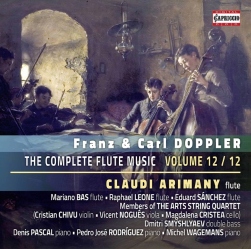
Fantaisie Concertante on Themes from Franz Doppler's opera Ilka
Fantaisie Concertante sur des Motifs de l'Opéra Hongroise "Ilka" de Doppler, for flute and piano
14:43
8
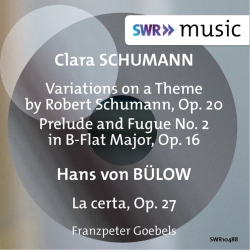
6:20
Copyright Ⓒ 2013 Davinci Finger. All rights reseved
Service Terms & Policy