


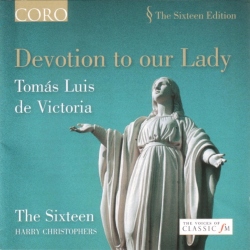
Tomás Luis de Victoria
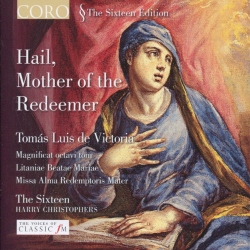
Missa Alma Redemptoris mater
Released Album
Recent Album
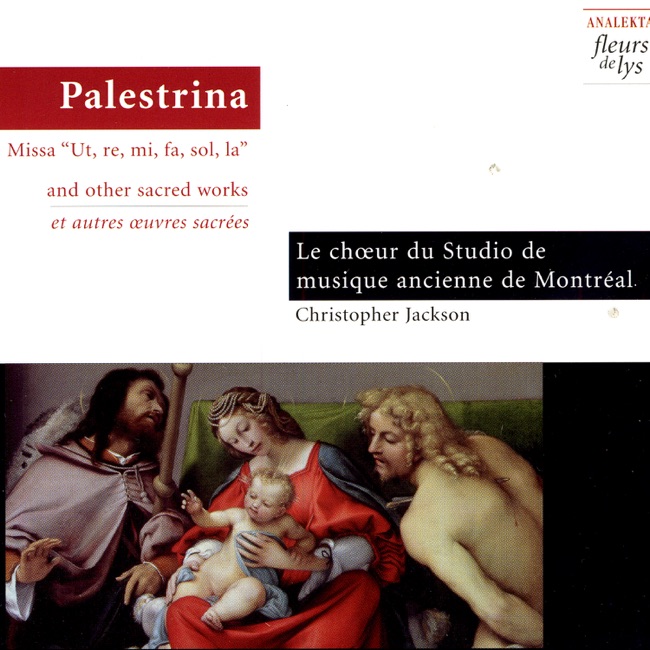
Works Info
Composer:Tomás Luis de VictoriaGenre:ChoralStyle:MotetPublication Date:1600Average_duration:5:34Tomás Luis de Victoria was a Spanish composer of the Renaissance period, known for his sacred music. One of his most famous works is the 'Missa Alma Redemptoris mater', which was composed in the late 16th century. The 'Missa Alma Redemptoris mater' is a setting of the Ordinary of the Mass, which consists of five movements: Kyrie, Gloria, Credo, Sanctus, and Agnus Dei. The work is written for four voices (soprano, alto, tenor, and bass) and is characterized by its rich harmonies, expressive melodies, and intricate counterpoint. The Kyrie is a solemn and introspective movement, with the voices weaving in and out of each other in a complex web of harmonies. The Gloria is more joyful and exuberant, with the voices soaring to great heights in praise of God. The Credo is the longest movement, and is characterized by its intricate polyphony and dramatic contrasts between the different sections. The Sanctus is a bright and joyful movement, with the voices singing in unison to create a sense of unity and harmony. The Agnus Dei is a quiet and contemplative movement, with the voices singing softly and gently to create a sense of peace and serenity. The 'Missa Alma Redemptoris mater' was premiered in the late 16th century, and quickly became one of Victoria's most popular works. It is still performed today, and is considered to be one of the greatest works of the Renaissance period. Overall, the 'Missa Alma Redemptoris mater' is a masterpiece of sacred music, characterized by its rich harmonies, expressive melodies, and intricate counterpoint. It is a testament to Victoria's skill as a composer, and a testament to the enduring power of sacred music to inspire and uplift the human spirit.More....
Works Music
Released Music
2
1:26
3
2:45
4
4:53
5
5:8