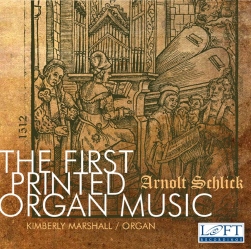
Arnolt Schlick
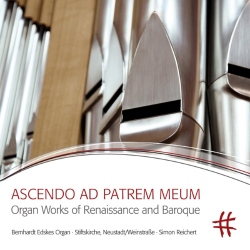
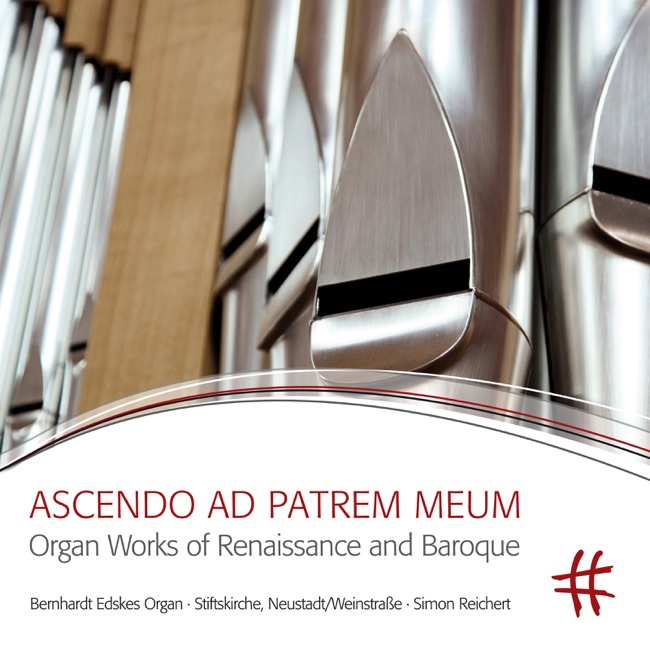
Ascendo ad patrem meum
Released Album
Recent Album
Works Info
Composer:Arnolt SchlickGenre:ChamberStyle:Chamber MusicAverage_duration:2:31'Ascendo ad patrem meum' is a sacred vocal work composed by Arnolt Schlick, a German composer, organist, and lutenist of the Renaissance era. The piece was composed in the early 16th century, around 1512-1515, and is believed to have been premiered in the court of Maximilian I, Holy Roman Emperor. The work is written for four voices, with the text taken from the Gospel of John, chapter 20, verse 17. The title translates to "I ascend to my Father", and the text speaks of Christ's ascension to heaven after his resurrection. The piece is structured in three movements, with the first and third movements being in duple meter and the second movement in triple meter. The first movement begins with a homophonic texture, with all four voices singing in unison. The texture then becomes more complex, with imitative polyphony and overlapping phrases. The second movement is a more contemplative section, with a slower tempo and a more flowing melody. The third movement returns to the faster tempo and more complex texture of the first movement, with the voices weaving in and out of each other in imitation. The characteristics of 'Ascendo ad patrem meum' reflect the style of the early 16th century, with a focus on polyphony and imitative counterpoint. The piece also demonstrates Schlick's skill as an organist, with the use of pedal points and other organistic techniques in the vocal writing. The work is a testament to Schlick's mastery of the vocal and instrumental styles of his time, and remains a significant example of early Renaissance sacred music.More....
Works Music
Released Music