


Arnolt Schlick
Released Album
Choral
-
 August 1, 2006
 -
 June 21, 2005
 -
 January 1, 2002
Keyboard
-
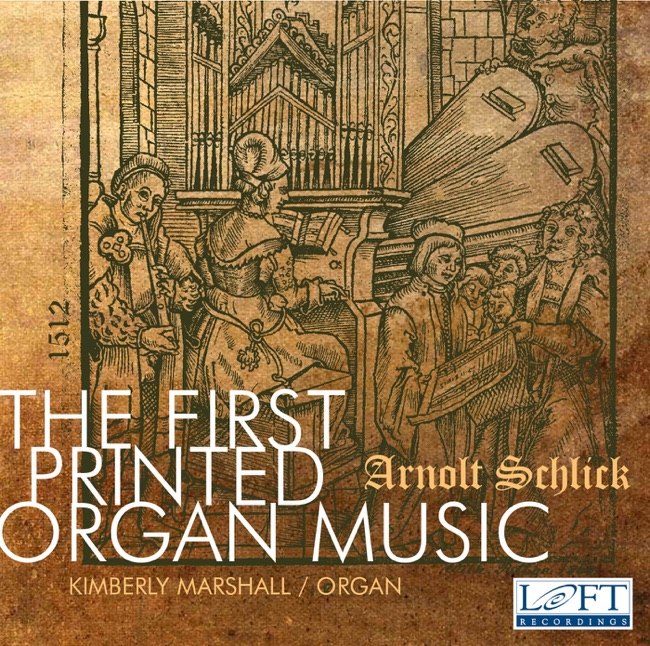 September 25, 2012
 -
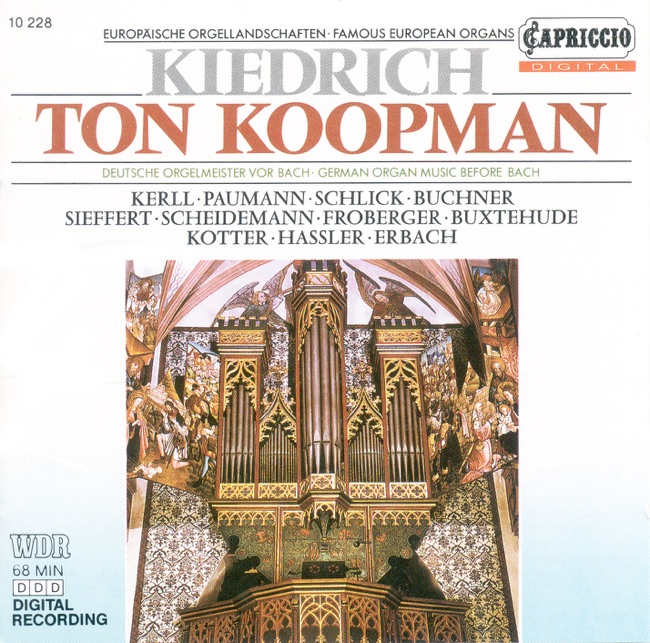 December 8, 1992
Chamber
-
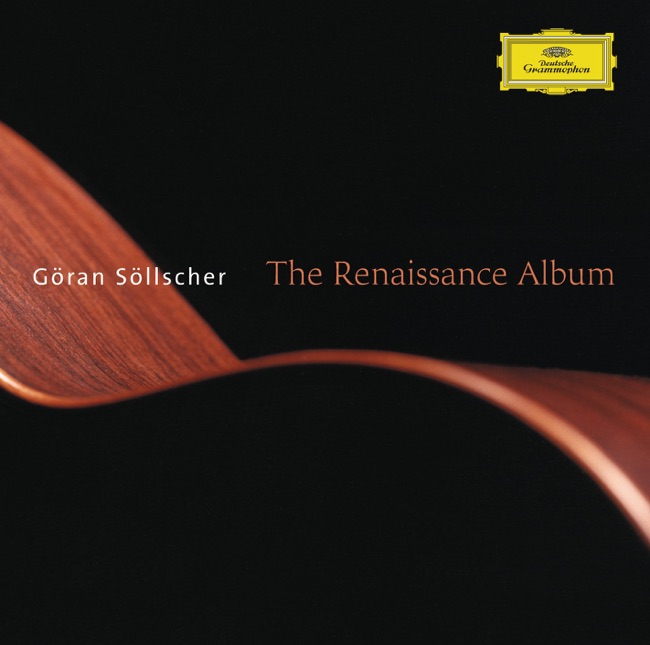 June 13, 2006
Artist Info
Role:ComposerCountry: GermanyBirth:1460Death:after 1521Period:RenaissanceGenre:KeyboardArnolt Schlick was a German composer, organist, and lutenist who lived during the Renaissance period. He was born in Heidelberg, Germany, in 1455, and little is known about his early life and education. However, it is believed that he received his musical training in the court of the Elector Palatine in Heidelberg, where he served as a court musician. Schlick's career as a composer began in the early 1480s when he published his first collection of organ music, entitled "Tabulaturen etlicher lobgesang und lidlein." This collection contained a variety of pieces, including preludes, fugues, and choral settings, and demonstrated Schlick's skill as an organist and composer. In 1486, Schlick left Heidelberg and traveled to Nuremberg, where he became the court musician for the city's mayor. During his time in Nuremberg, Schlick continued to compose music and became known for his skill as a lutenist. He also published his second collection of music, "Spiegel der Orgelmacher und Organisten," which contained a series of preludes and fugues for the organ. One of Schlick's most significant works is his "Tabulaturen etlicher lobgesang und lidlein," which was published in 1512. This collection contained a variety of pieces for the lute, including dances, preludes, and choral settings. It is considered one of the most important collections of lute music from the Renaissance period and demonstrates Schlick's skill as a composer and lutenist. Schlick's music was highly regarded during his lifetime, and he was known for his innovative use of harmony and counterpoint. He was also one of the first composers to use the lute as a solo instrument, and his music helped to establish the lute as a popular instrument during the Renaissance period. In addition to his work as a composer, Schlick was also an accomplished organ builder and wrote a treatise on organ building entitled "Spiegel der Orgelmacher und Organisten." This treatise provided detailed instructions on how to build and tune organs and was highly influential in the development of organ building during the Renaissance period. Schlick died in Nuremberg in 1521, leaving behind a legacy of innovative and influential music. His compositions for the lute and organ helped to establish these instruments as important solo instruments during the Renaissance period, and his treatise on organ building provided valuable insights into the construction and tuning of organs. Today, Schlick's music is still performed and studied by musicians and scholars around the world, and he is considered one of the most important composers of the Renaissance period.More....
Recent Artist Music

5
2:9
12
2:45


Copyright Ⓒ 2013 Davinci Finger. All rights reseved
Service Terms & Policy