Gabriel Fauré
Messe des pêcheurs de Villerville
Released Album
Recent Album
-
-
 Upper School Chorale of St. Catherine's School, RichmondApril 24, 2001
Featured Album
Works Info
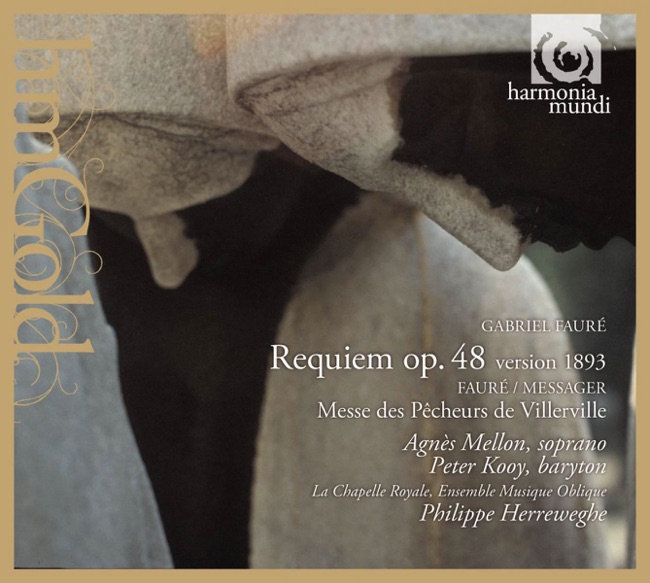
Composer:Gabriel FauréGenre:ChoralStyle:MassCompose Date:1881 - Sep 10, 1882Average_duration:17:30Movement_count:5Movement ....Gabriel Fauré's 'Messe des pêcheurs de Villerville' is a choral work that was composed in 1881. It was premiered on August 4, 1881, at the Church of Saint-Étienne in Villerville, Normandy, France. The work is divided into six movements, which are Kyrie, Gloria, Sanctus, Benedictus, Agnus Dei, and Domine salvum. The 'Messe des pêcheurs de Villerville' is a unique work in Fauré's oeuvre, as it is one of his few compositions that were written for a specific occasion. The work was commissioned by the villagers of Villerville, a small fishing village in Normandy, to celebrate the restoration of their church. Fauré, who was a close friend of the village priest, agreed to compose the work and conducted the premiere himself. The 'Messe des pêcheurs de Villerville' is characterized by its simplicity and clarity. Fauré's use of plainchant melodies and his avoidance of complex harmonies and counterpoint give the work a sense of purity and directness. The work is also notable for its use of solo voices, which are used to great effect in the Benedictus and Agnus Dei movements. The Kyrie is a gentle and introspective movement that sets the tone for the entire work. The Gloria is a joyful and exuberant movement that features a lively fugue. The Sanctus is a serene and contemplative movement that features a soaring melody for the choir. The Benedictus is a tender and intimate movement that features a solo soprano and a solo violin. The Agnus Dei is a peaceful and prayerful movement that features a solo alto. The final movement, Domine salvum, is a triumphant and celebratory movement that brings the work to a rousing conclusion. Overall, the 'Messe des pêcheurs de Villerville' is a beautiful and moving work that showcases Fauré's skill as a composer and his deep understanding of the liturgical tradition. Its simplicity and directness make it accessible to a wide audience, and its use of solo voices adds a personal and emotional dimension to the work.More....
Works Music
Released Music
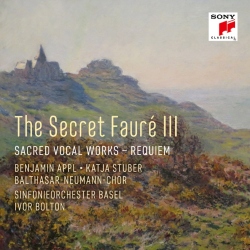
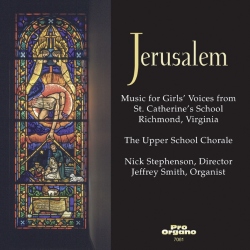
Featured Music