Franz Schubert
Nachtgesang, D. 119
Released Album
Recent Album

Works Info
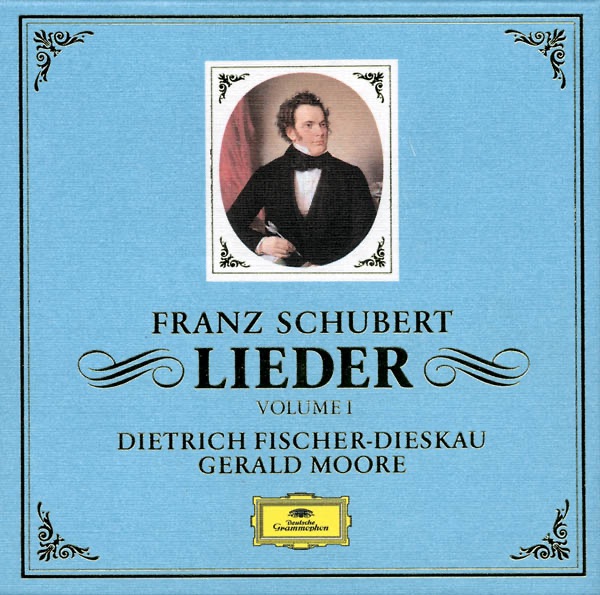
Composer:Franz SchubertGenre:VocalStyle:SongCompose Date:Nov 30, 1814Average_duration:3:19Franz Schubert's 'Nachtgesang, D. 119' is a choral work composed in 1814. It was premiered in Vienna in the same year. The piece consists of three movements, each with its own unique characteristics. The first movement, 'Nachtgesang im Walde' (Night Song in the Forest), is a serene and peaceful piece that evokes the tranquility of a forest at night. The choir sings in unison, with occasional harmonies, creating a sense of unity and togetherness. The melody is simple and repetitive, with a gentle rhythm that mimics the sound of leaves rustling in the wind. The lyrics, written by Johann Gabriel Seidl, describe the beauty of nature and the peace it brings to the soul. The second movement, 'Gesang der Geister über den Wassern' (Song of the Spirits over the Waters), is a more dramatic and intense piece. The choir is divided into two groups, with one singing the melody and the other providing a haunting, ethereal accompaniment. The lyrics, also written by Seidl, describe the spirits of the water and their power over the natural world. The music builds to a powerful climax, with the choir singing in unison to create a sense of awe and wonder. The final movement, 'Nachtviolen' (Night Violets), is a gentle and melancholic piece that brings the work to a peaceful conclusion. The choir sings in harmony, with a simple melody that is both beautiful and haunting. The lyrics, again written by Seidl, describe the fragility of life and the fleeting nature of beauty. The music is slow and mournful, with a sense of sadness and longing that is both poignant and moving. Overall, 'Nachtgesang, D. 119' is a beautiful and evocative choral work that showcases Schubert's skill as a composer. The three movements each have their own unique characteristics, but together they create a cohesive and powerful piece that is both uplifting and contemplative.More....