


Matthew Locke
Suite, for trumpet, trombone, bass viol & optional continuo No. 2 in B flat major
Released Album
Recent Album
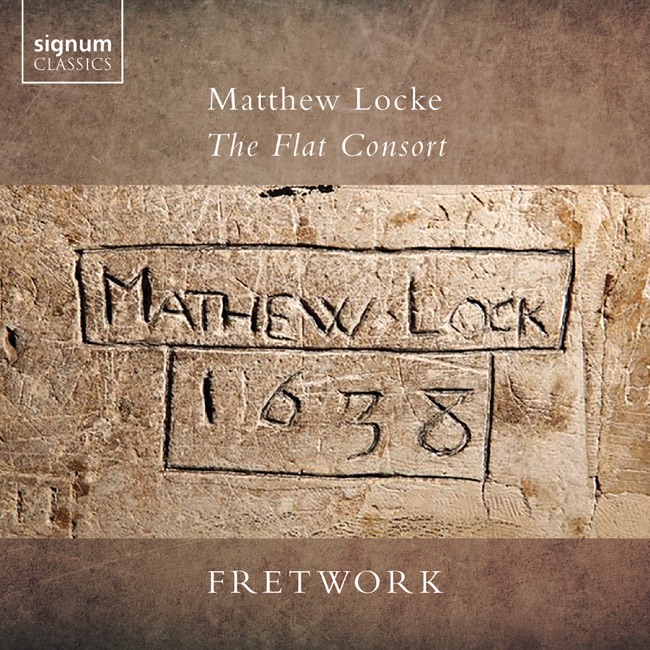
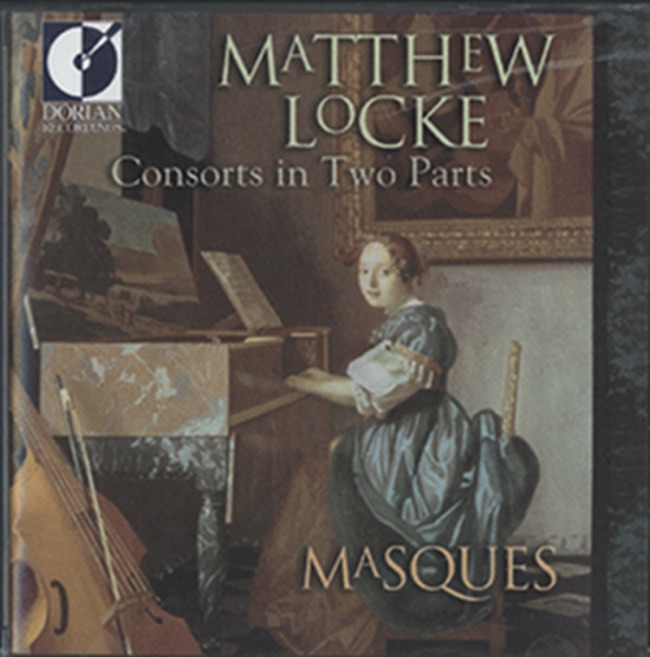
Featured Album
Works Info
Composer:Matthew LockeGenre:ChamberStyle:SuiteCompose Date:before 1660Average_duration:10:10Matthew Locke's Suite for trumpet, trombone, bass viol & optional continuo No. 2 in B flat major is a Baroque composition that was composed in the mid-17th century. The exact date of composition is unknown, but it is believed to have been written between 1650 and 1670. The suite is comprised of six movements, each with its own unique characteristics. The suite opens with a stately Prelude in B flat major, which features a regal trumpet melody accompanied by the trombone and bass viol. The second movement is a lively Corant, which is characterized by its quick tempo and dance-like rhythm. The third movement is a Saraband, which is slower and more solemn than the previous two movements. The fourth movement is a lively Jig, which features a playful melody that is passed between the trumpet and trombone. The fifth movement is a slow and expressive Air, which showcases the lyrical capabilities of the trumpet and trombone. The final movement is a lively and energetic Rondeau, which brings the suite to a rousing conclusion. Throughout the suite, Locke employs a variety of musical techniques, including counterpoint, imitation, and ornamentation, to create a rich and complex musical texture. One of the most notable characteristics of Locke's Suite for trumpet, trombone, bass viol & optional continuo No. 2 in B flat major is its use of brass instruments. During the Baroque period, brass instruments were typically used in a supporting role, but Locke gives the trumpet and trombone prominent roles in the suite, allowing them to shine as solo instruments. Additionally, the suite features a bass viol, which provides a rich and resonant bass line that supports the brass instruments. Locke's Suite for trumpet, trombone, bass viol & optional continuo No. 2 in B flat major premiered during the mid-17th century, likely in London. The suite was likely performed by a small ensemble of musicians, and would have been well-suited for performance in a chamber setting. Today, the suite remains a popular and frequently-performed work in the Baroque repertoire, and is admired for its intricate counterpoint, expressive melodies, and lively dance rhythms.More....
Works Music
Released Music
1
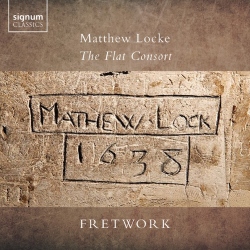
1:16
2

2:50
3
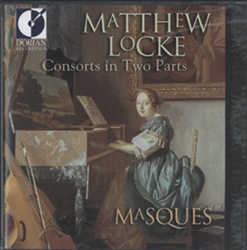
1:8
Featured Music
1
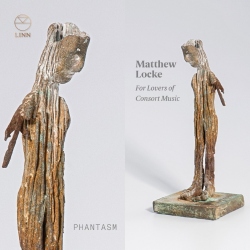
2:30
2
1:41
3
3:5
4
57
5
2:9
6
1:12