


Jan Václav Vorísek
Mass for chorus & orchestra in B flat major, Op. 24 "Missa solemnis"
Released Album
Recent Album
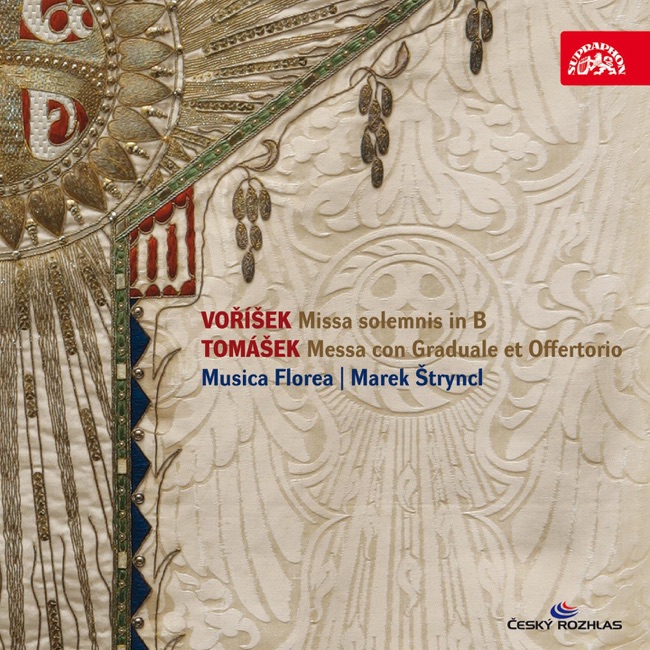
Featured Album
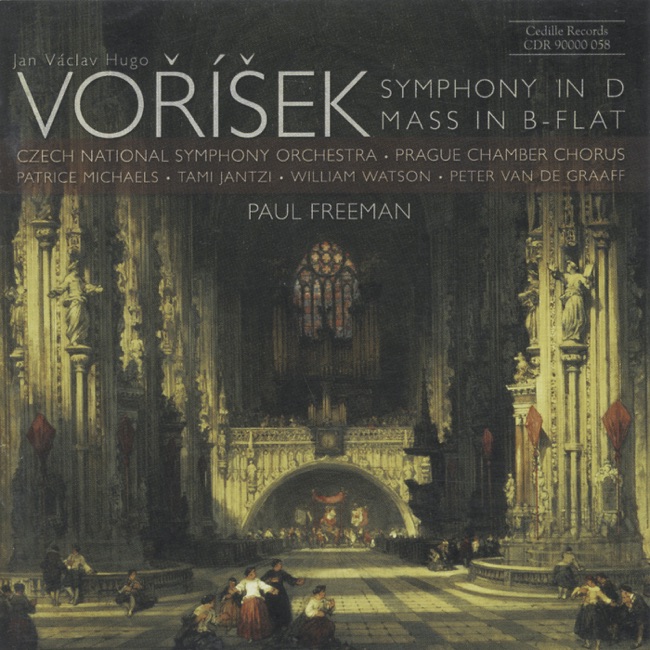
Works Info
Composer:Jan Václav VorísekGenre:ChoralStyle:MassCompose Date:1824Average_duration:32:11Jan Václav Vorísek's Mass for chorus and orchestra in B flat major, Op. 24, also known as Missa solemnis, was composed in 1820. The piece premiered in Prague in 1821, with Vorísek conducting. The Mass is divided into six movements: Kyrie, Gloria, Credo, Sanctus, Benedictus, and Agnus Dei. The Mass is characterized by its grandeur and solemnity, with Vorísek's use of rich harmonies and intricate counterpoint. The Kyrie begins with a somber and introspective mood, with the choir and orchestra alternating between unison and harmony. The Gloria is a joyful and celebratory movement, with the choir and orchestra building to a triumphant climax. The Credo is the longest movement of the Mass, and is characterized by its complex polyphony and use of fugue. The Sanctus is a bright and uplifting movement, with the choir and orchestra alternating between jubilant and serene passages. The Benedictus is a more subdued movement, with the choir and orchestra creating a sense of reverence and awe. The final movement, the Agnus Dei, is a prayer for peace and forgiveness, with the choir and orchestra creating a sense of solemnity and introspection. Vorísek's use of rich harmonies and intricate counterpoint throughout the Mass creates a sense of grandeur and majesty, while also conveying a sense of reverence and awe. Overall, Jan Václav Vorísek's Mass for chorus and orchestra in B flat major, Op. 24, is a masterful work of sacred music, characterized by its grandeur, solemnity, and intricate polyphony.More....
Works Music
Released Music
Featured Music
1
3:59
2
Mass for chorus & orchestra in B flat major, Op. 24 "Missa solemnis"
II. Gloria. Et in terra pax
2:14
3
Mass for chorus & orchestra in B flat major, Op. 24 "Missa solemnis"
II. Gloria. Qui tollis peccata mundi
2:35
4
Mass for chorus & orchestra in B flat major, Op. 24 "Missa solemnis"
II. Gloria. Quoniam tu solus Dominus
3:
5
Mass for chorus & orchestra in B flat major, Op. 24 "Missa solemnis"
III. Credo. Patrem omnipotentem
3:19
6
Mass for chorus & orchestra in B flat major, Op. 24 "Missa solemnis"
III. Credo. Et incarnatus est
2:40
7
Mass for chorus & orchestra in B flat major, Op. 24 "Missa solemnis"
III. Credo. Te resurrexit tertia die
4:27
8
1:19
9
4:
10
Mass for chorus & orchestra in B flat major, Op. 24 "Missa solemnis"
VI. Agnus Dei. Agnus dei qui tollos peccata mundi
2:41
11
Mass for chorus & orchestra in B flat major, Op. 24 "Missa solemnis"
VI. Agnus Dei. Dona nobis pacem
2:7