Franz Schubert
Antigone und Oedip, D. 542, Op. 6/2
Released Album
Recent Album



Works Info
Composer:Franz SchubertGenre:VocalStyle:SongCompose Date:Mar 1817Average_duration:5:31"Antigone und Oedip" is a choral work composed by Franz Schubert in 1817. It was premiered in Vienna in 1821. The work is divided into three movements, each of which is based on a different scene from Sophocles' plays "Antigone" and "Oedipus Rex." The first movement, "Antigone's Lament," is a mournful aria sung by the character Antigone after she has been sentenced to death for burying her brother against the orders of the king. Schubert's music captures the despair and anguish of Antigone's situation, with the choir singing in a minor key and the melody rising and falling in a mournful, almost wailing, fashion. The second movement, "Oedipus' Lament," is similarly mournful, but with a more complex structure. It begins with a solo by the character Oedipus, who has just learned that he has unknowingly killed his father and married his mother. The choir then joins in, singing a chorus that reflects on the tragic nature of Oedipus' fate. Schubert's music here is more complex than in the first movement, with shifting harmonies and a more intricate melody. The final movement, "Antigone's Triumph," is a triumphant chorus that celebrates Antigone's refusal to obey the king's orders and her willingness to die for her beliefs. Schubert's music here is more upbeat and celebratory, with the choir singing in a major key and the melody rising and falling in a more joyful, almost dance-like, fashion. Overall, "Antigone und Oedip" is a powerful and emotional work that showcases Schubert's skill as a composer of choral music. The work's use of ancient Greek tragedy as its source material gives it a timeless quality that still resonates with audiences today.More....
Works Music
Released Music

3

5:25

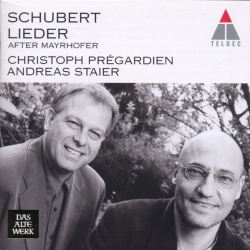
6
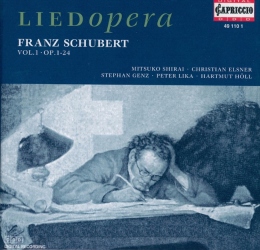
6:2