Edvard Grieg
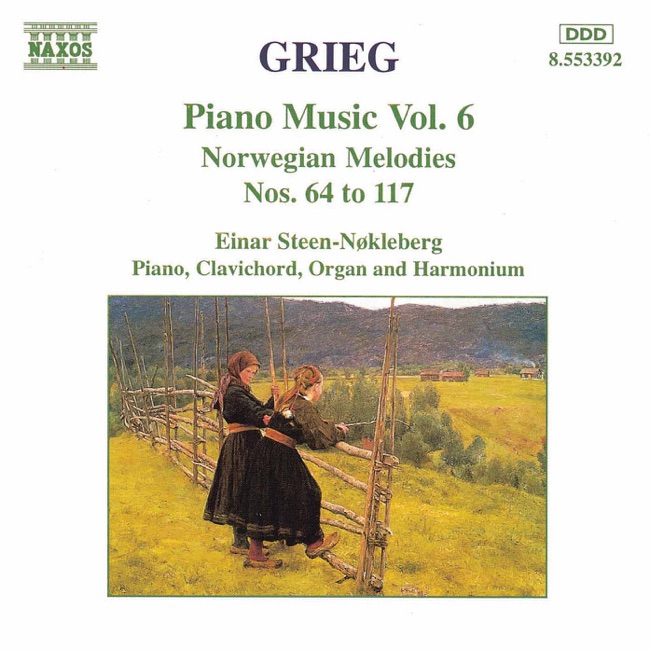
Huldrelok, EG 108/67
Released Album
Recent Album
Works Info
Composer:Edvard GriegGenre:KeyboardStyle:KeyboardCompose Date:1874 - 1875Publication Date:1875Average_duration:1:05Huldrelok, EG 108/67 is a composition by the Norwegian composer Edvard Grieg. It was composed in 1891 and premiered on January 22, 1892, in Christiania (now Oslo), Norway. The piece is a suite of four movements, each of which is inspired by Norwegian folklore and mythology. The first movement, "Huldrelok," is a lively dance that is meant to evoke the music of the hulder, a mythical creature from Norwegian folklore. The hulder is said to be a beautiful woman with a cow's tail who lives in the forest and lures men to their doom with her enchanting music. Grieg's music captures the playful and mischievous spirit of the hulder, with its lively rhythms and playful melodies. The second movement, "Trolltog," is a march that is meant to evoke the music of the trolls, another mythical creature from Norwegian folklore. The trolls are said to be large, ugly creatures who live in the mountains and forests and are known for their strength and cunning. Grieg's music captures the dark and mysterious nature of the trolls, with its ominous rhythms and haunting melodies. The third movement, "Veslemoy's Song," is a lyrical piece that is meant to evoke the music of the Norwegian countryside. The piece is named after Veslemoy, a character from Norwegian folklore who is known for her beauty and grace. Grieg's music captures the peaceful and serene nature of the countryside, with its gentle melodies and flowing rhythms. The final movement, "Dance of the Gnomes," is a lively dance that is meant to evoke the music of the gnomes, another mythical creature from Norwegian folklore. The gnomes are said to be small, mischievous creatures who live in the forest and are known for their love of music and dance. Grieg's music captures the playful and energetic nature of the gnomes, with its lively rhythms and playful melodies. Overall, Huldrelok, EG 108/67 is a charming and evocative suite that showcases Grieg's skill as a composer and his love for Norwegian folklore and mythology. The piece is a testament to Grieg's ability to capture the spirit of his homeland in his music and remains a beloved work in the classical repertoire.More....
Works Music