


Joseph Rheinberger
Sonata for organ No. 9 in B flat major, Op. 142
Released Album
Recent Album


Works Info
Composer:Joseph RheinbergerGenre:KeyboardStyle:SonataAverage_duration:27:15Movement_count:3Movement ....The Sonata for organ No. 9 in B flat major, Op. 142, was composed by Joseph Rheinberger, a German composer and organist, in 1890. The piece was premiered in Munich, Germany, on January 22, 1891, by the composer himself. The sonata consists of four movements, each with its own distinct character and style. The first movement, marked Allegro con moto, is a lively and energetic piece that showcases Rheinberger's skillful use of counterpoint and his ability to create complex textures with the organ. The second movement, marked Andante sostenuto, is a slower and more contemplative piece that features a beautiful melody played on the organ's flutes and strings. The third movement, marked Allegro vivace, is a playful and light-hearted piece that features a lively and rhythmic theme played on the organ's reeds and flutes. The final movement, marked Allegro maestoso, is a grand and majestic piece that brings the sonata to a triumphant close. One of the characteristics of Rheinberger's music is his use of counterpoint, which is evident throughout the sonata. He also makes use of a wide range of organ stops, from the soft and delicate flutes to the powerful and majestic reeds. The sonata is also notable for its harmonic richness and complexity, with Rheinberger often using chromaticism and unexpected chord progressions to create a sense of tension and release. Overall, the Sonata for organ No. 9 in B flat major, Op. 142, is a masterful work that showcases Rheinberger's skill as a composer and organist. Its four movements offer a range of moods and emotions, from the lively and energetic to the contemplative and majestic, making it a beloved piece in the organ repertoire.More....
Works Music
Released Music
1

9:48

3

9:36
4

7:24

6
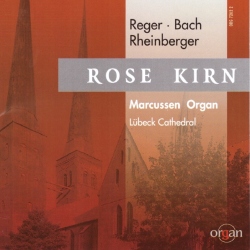
10:28