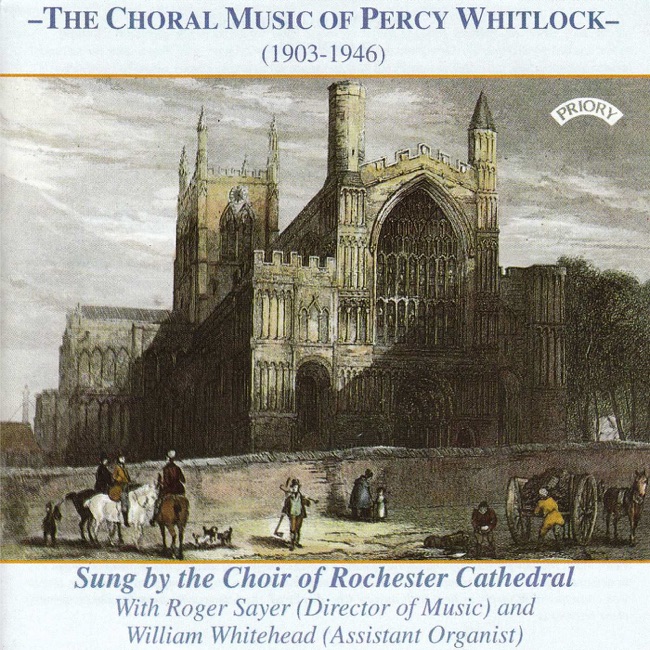
Percy Whitlock
Magnificat and Nunc Dimittis in G major
Released Album
Recent Album
Works Info
Composer:Percy WhitlockGenre:ChoralStyle:MagnificatAverage_duration:4:48Percy Whitlock's Magnificat and Nunc Dimittis in G major is a choral work that was composed in 1930. It was premiered at St. Stephen's Church in Bournemouth, England, on October 19, 1930. The work is divided into two movements, the Magnificat and the Nunc Dimittis, which are based on the biblical texts of the same names. The Magnificat is a hymn of praise that is traditionally sung by the Virgin Mary after she learns that she is to give birth to Jesus. Whitlock's setting of the Magnificat is characterized by its joyful and exuberant tone. The piece begins with a fanfare-like introduction that sets the stage for the choir's entrance. The choir then sings the opening lines of the Magnificat in unison before breaking into a more complex and harmonically rich section. The piece continues in this vein, with the choir alternating between unison and more complex harmonies, until it reaches its triumphant conclusion. The Nunc Dimittis, on the other hand, is a hymn of thanksgiving that is traditionally sung by Simeon after he sees the infant Jesus in the temple. Whitlock's setting of the Nunc Dimittis is more subdued than the Magnificat, but it is no less beautiful. The piece begins with a gentle and flowing melody that is sung by the choir in unison. The choir then breaks into a more complex and harmonically rich section, which is followed by a return to the gentle and flowing melody. The piece ends with a quiet and peaceful conclusion. Overall, Whitlock's Magnificat and Nunc Dimittis in G major is a beautiful and uplifting choral work that is characterized by its joyful and exuberant tone. The piece is a testament to Whitlock's skill as a composer and his ability to create music that is both technically complex and emotionally moving.More....
Works Music
Released Music