


Percy Whitlock
Released Album
Keyboard
-
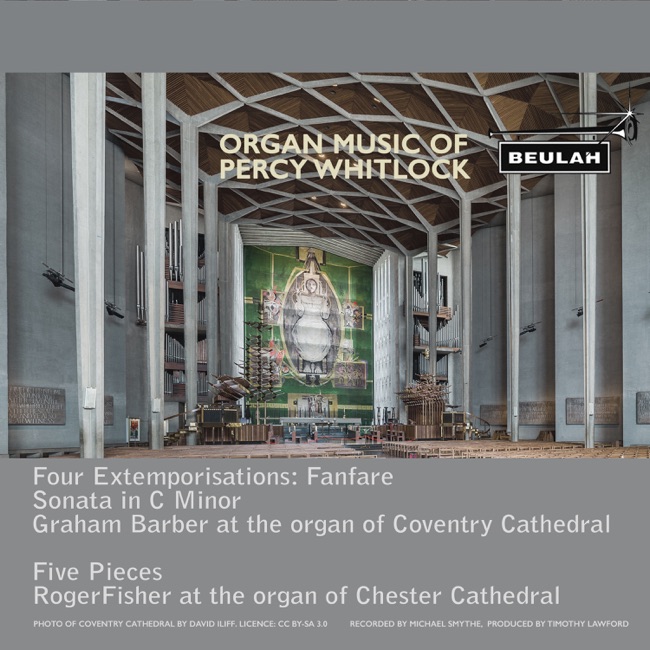 June 28, 2024
 -
 December 22, 2023
 -
 September 2, 2022
 -
 July 29, 2022
 -
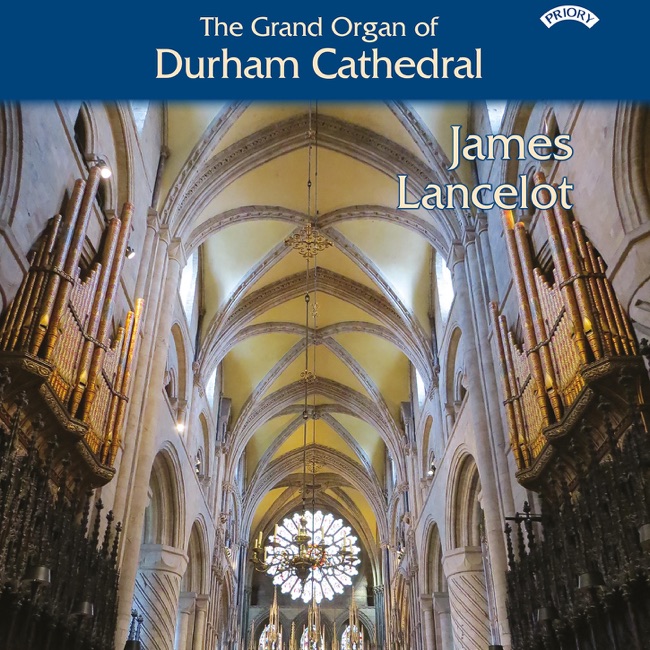 October 1, 2021
 -
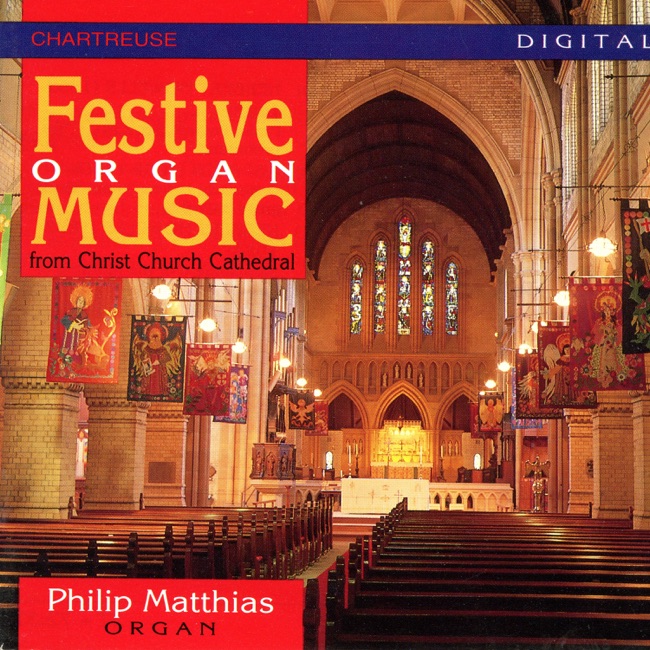 May 5, 2020
Choral
-
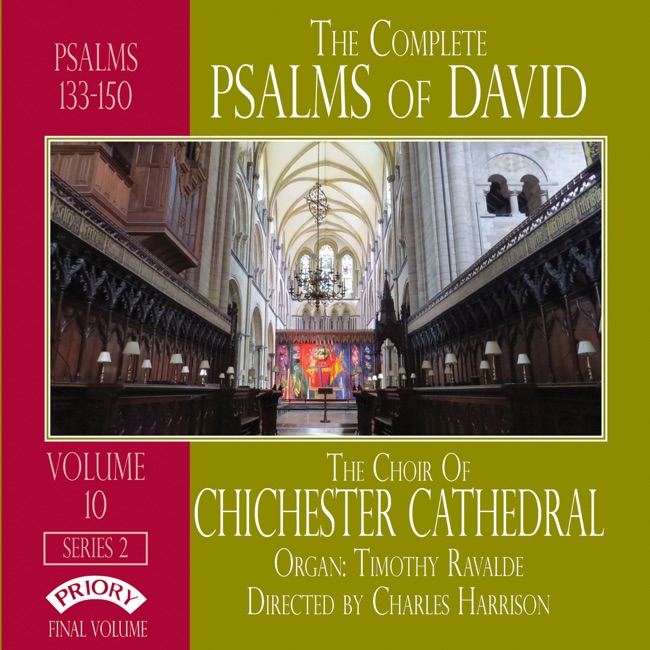
-
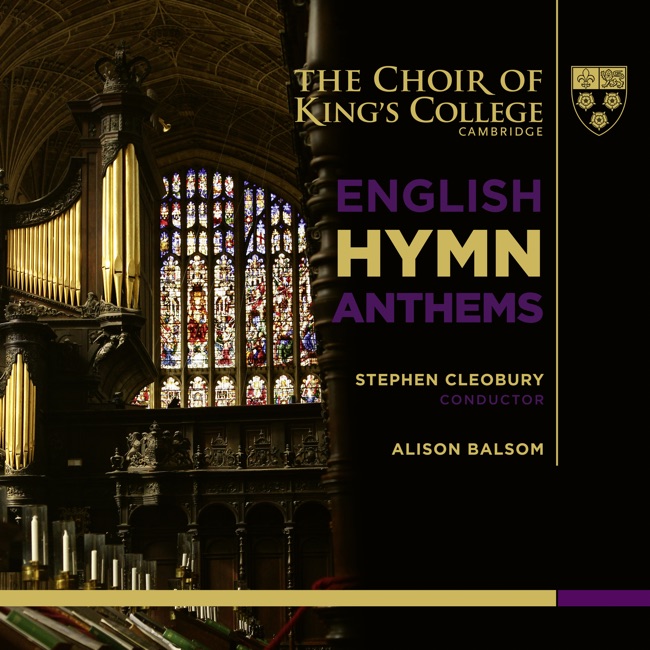 March 10, 2015
 -
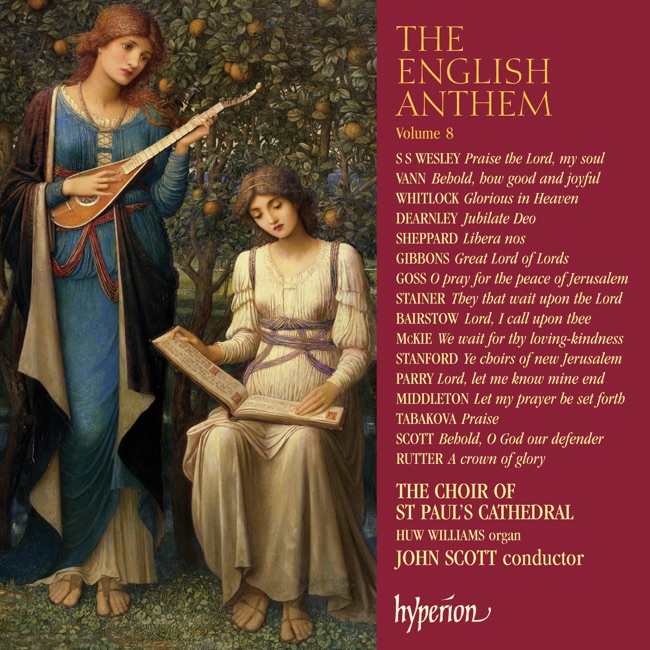 January 3, 2005
 -
 November 30, 2004
 -
 March 30, 2004
 -
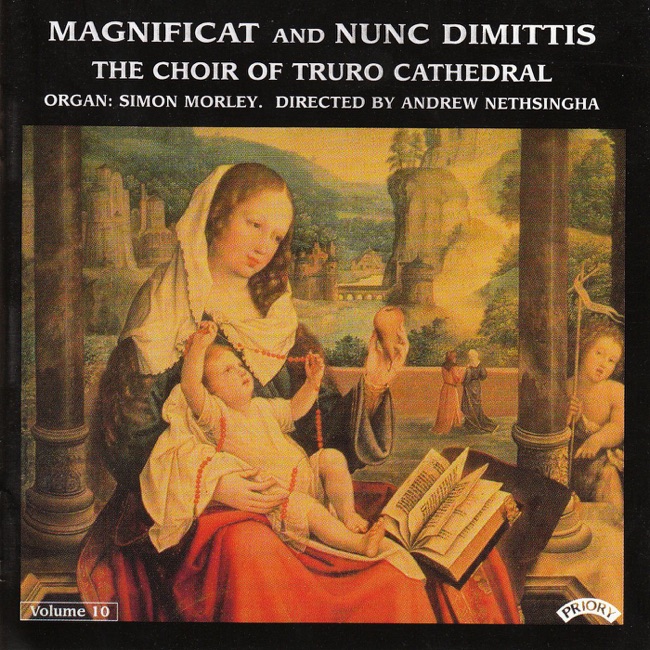 February 17, 1998
Artist Info
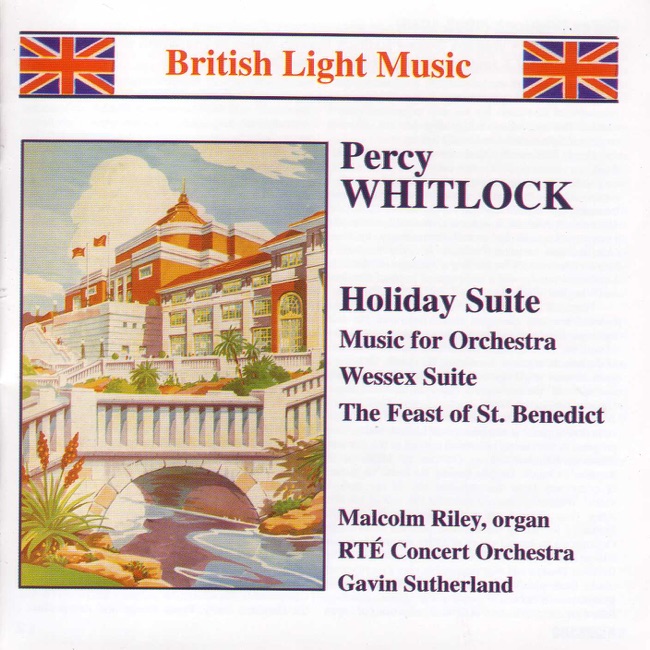
Role:ComposerCountry: United KingdomBirth:June 1, 1903 in Chatham, Kent, EnglandDeath:May 1, 1946 in Bournemouth, Dorset, EnglandPeriod:ModernGenre:ChoralKeyboardPercy Whitlock was a British composer and organist who lived from 1903 to 1946. He was born in Chatham, Kent, and showed an early interest in music, learning to play the piano and organ at a young age. He attended the Royal College of Music in London, where he studied composition with Ralph Vaughan Williams and organ with Charles Villiers Stanford. After completing his studies, Whitlock became an organist at various churches in London, including St. Stephen's Church in Bournemouth and St. Augustine's Church in Kilburn. He also worked as a music teacher and wrote music criticism for various publications. Whitlock's compositions are primarily for the organ, although he also wrote choral music and a few orchestral works. His style is characterized by lush harmonies, lyrical melodies, and a strong sense of structure. He was influenced by the music of Vaughan Williams, Edward Elgar, and other British composers of the early 20th century. One of Whitlock's most famous works is his Sonata in C minor for Organ, which he composed in 1930. The sonata is in three movements and showcases Whitlock's skill as an organist and composer. The first movement is marked by a driving rhythm and a sense of urgency, while the second movement is more contemplative and introspective. The final movement is a lively and joyful fugue that showcases Whitlock's mastery of counterpoint. Another notable work by Whitlock is his Plymouth Suite for Organ, which he composed in 1937. The suite is in four movements and is named after the city of Plymouth, where Whitlock was living at the time. The first movement, "Introduction and Chorale," is a majestic and grandiose piece that sets the tone for the rest of the suite. The second movement, "Scherzetto," is a playful and lighthearted piece that showcases Whitlock's sense of humor. The third movement, "Siciliano," is a slow and mournful piece that is reminiscent of a funeral procession. The final movement, "Toccata," is a virtuosic and energetic piece that showcases Whitlock's skill as an organist. Whitlock also wrote a number of shorter pieces for the organ, including preludes, fugues, and hymn arrangements. One of his most famous hymn arrangements is his setting of "Dear Lord and Father of Mankind," which is still widely performed in churches today. Despite his success as a composer and organist, Whitlock's life was cut short by illness. He died in 1946 at the age of 43, leaving behind a legacy of beautiful and inspiring music. His compositions continue to be performed and recorded by organists around the world, and his influence can be heard in the works of many contemporary composers.More....
Recent Artist Music


Copyright Ⓒ 2013 Davinci Finger. All rights reseved
Service Terms & Policy