


Carl Philipp Emanuel Bach
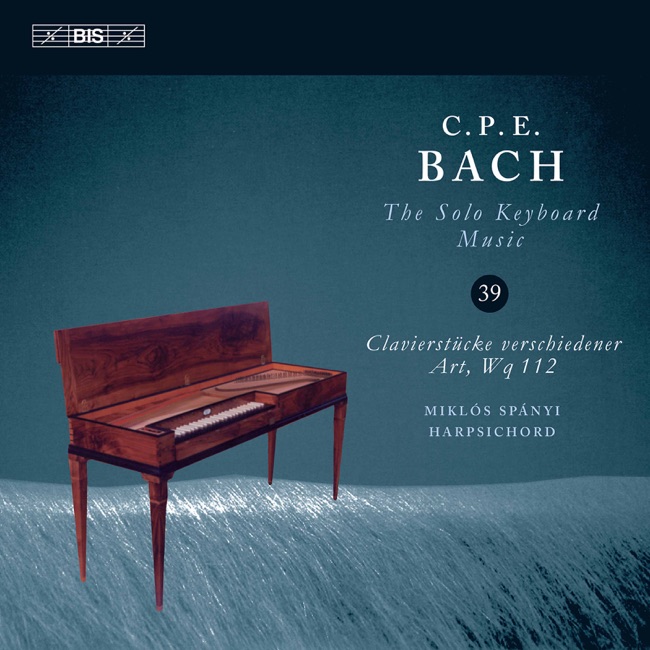
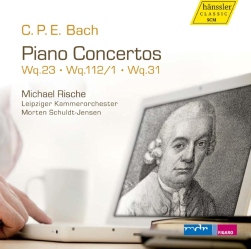
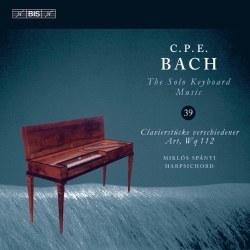
Concerto for keyboard solo in C major, H. 190, Wq. 112/1
Released Album
Recent Album
Featured Album
Works Info
Composer:Carl Philipp Emanuel BachGenre:ConcertoStyle:ConcertoCompose Date:1765Publication Date:1765Movement_count:3Movement ....The Concerto for keyboard solo in C major, H. 190, Wq. 112/1, was composed by Carl Philipp Emanuel Bach in 1753. It premiered in Berlin, Germany, with the composer himself as the soloist. The concerto consists of three movements: Allegro, Largo, and Allegro assai. The first movement, Allegro, is characterized by its lively and energetic tempo. It begins with a bright and cheerful theme played by the orchestra, which is then echoed by the soloist. The movement features a number of virtuosic passages for the keyboard, including rapid runs and arpeggios. The orchestra provides a lively accompaniment throughout, with the strings and winds playing in unison to create a full and rich sound. The second movement, Largo, is a slow and contemplative piece. It begins with a simple and elegant melody played by the soloist, which is then taken up by the orchestra. The movement is marked by its expressive and lyrical quality, with the soloist playing long, flowing lines that are accompanied by the orchestra's gentle and understated accompaniment. The final movement, Allegro assai, is a fast and lively piece that brings the concerto to a thrilling conclusion. It begins with a lively and playful theme played by the orchestra, which is then taken up by the soloist. The movement features a number of virtuosic passages for the keyboard, including rapid runs and arpeggios. The orchestra provides a lively accompaniment throughout, with the strings and winds playing in unison to create a full and rich sound. Overall, the Concerto for keyboard solo in C major, H. 190, Wq. 112/1, is a masterful work that showcases Carl Philipp Emanuel Bach's skill as a composer and his deep understanding of the keyboard. Its three movements are marked by their lively and energetic tempo, expressive and lyrical quality, and fast and lively pace, respectively. It remains a popular and beloved work in the classical repertoire to this day.More....
Works Music
Released Music
1
7:55
2
7:7
3
7:55
4
7:7
Featured Music
1
9:13
2
7:27
3
6:36