Johann Sebastian Bach
Bricht entzwei, mein armes Herze, BWV 444
Released Album
Recent Album
-
-
-
 Shinji IshiharaMarch 25, 2015
 -
-
Works Info
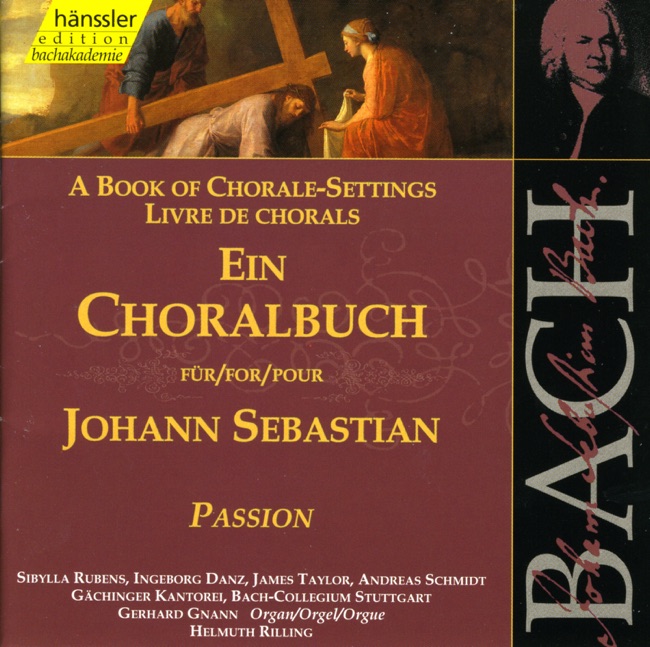
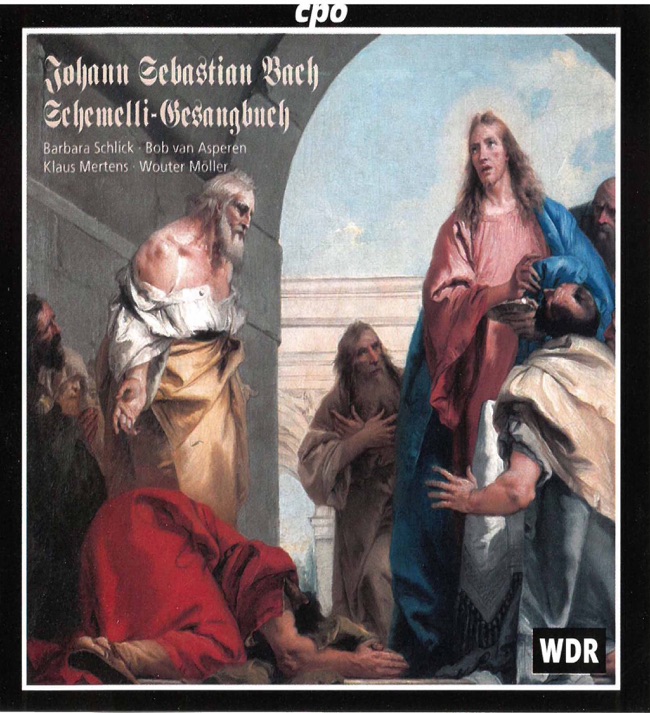
Composer:Johann Sebastian BachGenre:VocalStyle:SongCompose Date:1736Publication Date:1736Average_duration:2:19Johann Sebastian Bach composed "Bricht entzwei, mein armes Herze, BWV 444" in the early 18th century. The exact date of composition is unknown, but it is believed to have been written during his time as the court organist in Weimar, Germany. The piece is a solo cantata for alto voice and continuo, and it is one of Bach's lesser-known works. The premiere of "Bricht entzwei, mein armes Herze, BWV 444" is also unknown, but it is likely that it was performed in a private setting, such as a church or a nobleman's home. The piece consists of three movements, each of which is characterized by its emotional intensity and expressive melody. The first movement, "Bricht entzwei, mein armes Herze," is a lament in which the speaker implores their heart to break in two, as they cannot bear the pain of their unrequited love. The music is slow and mournful, with long, flowing phrases that emphasize the speaker's despair. The second movement, "Ach, dass ich Wassers gnug hätte," is a prayer for tears, as the speaker longs to weep for their lost love. The music is more agitated than the first movement, with rapid, descending figures that suggest the speaker's desperation. The final movement, "Ich will dir mein Herze schenken," is a resolution to give one's heart to God, rather than to a mortal lover. The music is more hopeful than the previous movements, with a lilting melody that suggests the speaker's newfound peace. Overall, "Bricht entzwei, mein armes Herze, BWV 444" is a poignant and deeply emotional work that showcases Bach's skill as a composer of vocal music. While it may not be as well-known as some of his other works, it is a testament to his ability to capture the full range of human emotion in his music.More....
Works Music
Released Music
1
3:13
2
1:42
3
1:42
4
1:42