Tomás Luis de Victoria
Christe, redemptor omnium [I]
Released Album
Recent Album
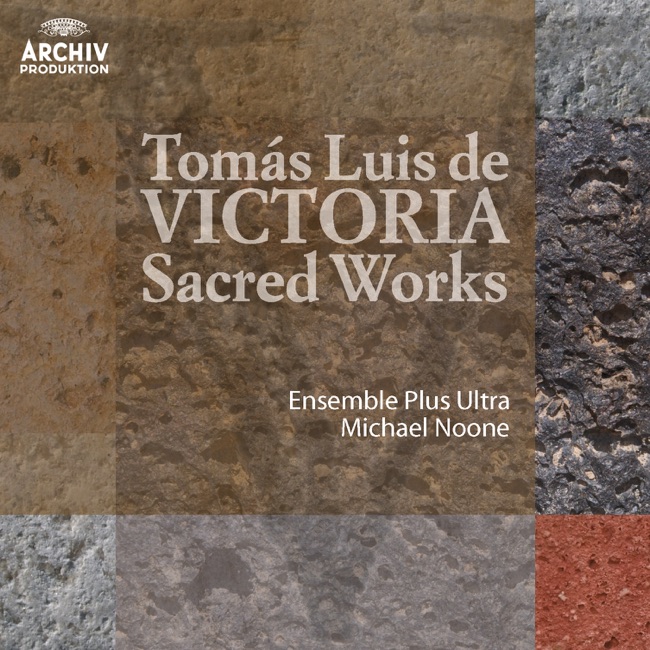
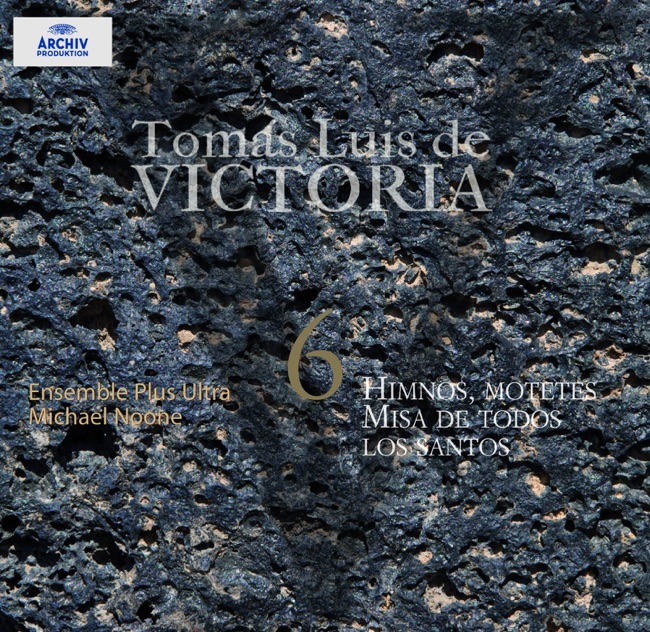
Works Info
Composer:Tomás Luis de VictoriaGenre:ChoralPublication Date:1581Average_duration:6:33Tomás Luis de Victoria was a Spanish composer of the Renaissance period, known for his sacred music. One of his most famous works is 'Christe, redemptor omnium [I]', a motet for four voices. The composition of 'Christe, redemptor omnium [I]' is believed to have been completed in the late 16th century, during Victoria's time as a composer and choirmaster at the Collegium Germanicum in Rome. The piece was likely written for use in the liturgy of the Catholic Church, as was much of Victoria's music. The motet is divided into three movements, each with its own distinct character. The first movement is a solemn and contemplative setting of the text, which begins with the words "Christe, redemptor omnium" (Christ, redeemer of all). The four voices weave together in a complex and intricate polyphonic texture, creating a sense of awe and reverence. The second movement is more lively and rhythmic, with a faster tempo and a more joyful character. The text of this section begins with the words "Qui condolens interitu" (Who, grieving at the death), and describes Christ's compassion for humanity and his sacrifice on the cross. The music reflects this theme with its energetic rhythms and bright harmonies. The final movement returns to the solemn character of the opening, with a slower tempo and a more contemplative mood. The text of this section begins with the words "Tu ad liberandum suscepturus hominem" (You, to redeem mankind), and describes Christ's mission to save humanity from sin and death. The music is rich and complex, with intricate polyphony and a sense of deep spiritual contemplation. Overall, 'Christe, redemptor omnium [I]' is a masterpiece of Renaissance sacred music, showcasing Victoria's skill as a composer and his deep devotion to the Catholic faith. Its three movements offer a rich and varied musical experience, reflecting the complex themes of the text and the spiritual journey of the listener.More....
Works Music
Released Music