Mauricio Kagel
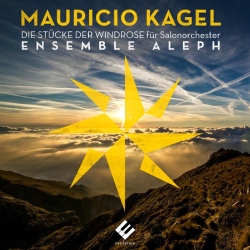
Die Stücke der Windrose
Released Album
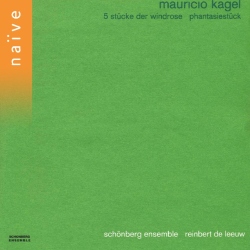
Recent Album
Works Info
Composer:Mauricio KagelGenre:OrchestralStyle:OrchestralCompose Date:1988 - 1994Average_duration:50:26Movement_count:8Movement ....Die Stücke der Windrose is a composition by Argentine-German composer Mauricio Kagel. It was composed in 1988 and premiered on October 22, 1988, in Frankfurt, Germany. The piece is divided into eight movements, each representing a different direction of the compass rose. The first movement, "Nordwesten," begins with a solo violin playing a series of ascending and descending scales. The other instruments gradually join in, creating a dense and complex texture. The second movement, "Nordosten," features a solo clarinet playing a series of short, staccato phrases. The other instruments respond with their own short, rhythmic motifs. The third movement, "Osten," is a slow and meditative piece featuring a solo cello. The other instruments provide a gentle accompaniment, creating a sense of calm and introspection. The fourth movement, "Südosten," is a lively and energetic piece featuring a solo trumpet. The other instruments provide a rhythmic accompaniment, creating a sense of excitement and anticipation. The fifth movement, "Südwesten," is a dark and brooding piece featuring a solo bassoon. The other instruments provide a sparse and atmospheric accompaniment, creating a sense of tension and unease. The sixth movement, "Westen," is a playful and whimsical piece featuring a solo flute. The other instruments provide a light and airy accompaniment, creating a sense of joy and levity. The seventh movement, "Norden," is a slow and mournful piece featuring a solo viola. The other instruments provide a mournful accompaniment, creating a sense of sadness and loss. The final movement, "Süden," is a triumphant and celebratory piece featuring all of the instruments. The music builds to a grand climax, creating a sense of triumph and victory. Overall, Die Stücke der Windrose is a complex and multi-layered composition that explores a wide range of emotions and moods. Kagel's use of solo instruments and sparse accompaniment creates a sense of intimacy and introspection, while his use of dense textures and complex rhythms creates a sense of excitement and energy. The piece is a testament to Kagel's skill as a composer and his ability to create music that is both challenging and rewarding for both performers and listeners.More....
Works Music
Released Music
4
5:47