Sándor Veress
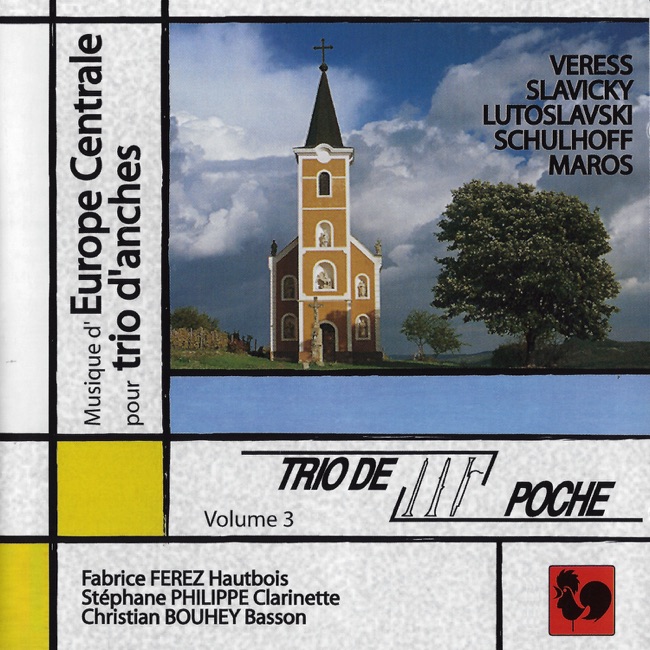
Sonata for oboe, clarinet & bassoon
Released Album
Recent Album
Works Info
Composer:Sándor VeressGenre:ChamberStyle:Chamber MusicCompose Date:1931Average_duration:9:34Movement_count:3Movement ....The Sonata for oboe, clarinet & bassoon is a chamber music composition by Hungarian composer Sándor Veress. It was composed in 1944, during the composer's time in Switzerland, and premiered in Zurich in 1945. The piece is divided into three movements, each with its own distinct characteristics. The first movement, marked Allegro moderato, begins with a lively and rhythmic theme played by the clarinet. The oboe and bassoon then join in, creating a playful and energetic dialogue between the three instruments. The movement features frequent changes in tempo and dynamics, with moments of both intensity and lyricism. The second movement, marked Andante, is a slow and contemplative piece. The oboe takes the lead with a mournful melody, which is then echoed by the clarinet and bassoon. The movement is characterized by its haunting harmonies and expressive phrasing, creating a sense of introspection and melancholy. The final movement, marked Allegro vivace, is a lively and upbeat piece. The clarinet and bassoon take turns playing a playful and syncopated theme, while the oboe provides a counterpoint melody. The movement is marked by its rhythmic complexity and virtuosic passages, showcasing the technical abilities of the performers. Overall, the Sonata for oboe, clarinet & bassoon is a dynamic and engaging chamber music piece. Veress's use of intricate harmonies, rhythmic complexity, and expressive melodies creates a rich and varied musical experience for both performers and listeners.More....
Works Music
Released Music