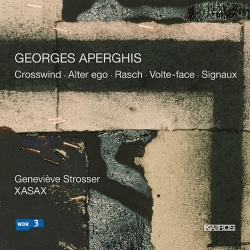
Georges Aperghis
Signaux
Released Album
Recent Album
Works Info
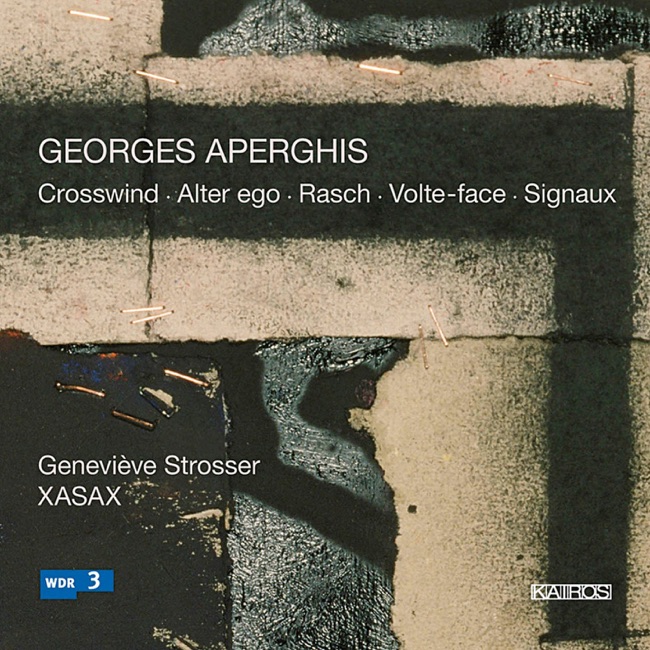
Composer:Georges AperghisGenre:ChamberStyle:Chamber MusicCompose Date:1978Average_duration:13:17"Signaux" is a contemporary music composition by the Greek-French composer Georges Aperghis. It was composed in 1978 and premiered on May 17, 1978, at the Festival d'Automne in Paris. The piece is scored for a solo percussionist and a small ensemble of six instruments, including flute, clarinet, violin, cello, piano, and percussion. The composition is divided into three movements, each with its own distinct character and musical language. The first movement, titled "Signaux I," is characterized by its use of extended techniques and unconventional sounds. The percussionist is required to use a variety of objects, including metal sheets, wood blocks, and cymbals, to create a range of percussive effects. The other instruments in the ensemble provide a sparse, atmospheric accompaniment, with the flute and clarinet producing breathy, whispering sounds. The second movement, "Signaux II," is more rhythmic and energetic, with the percussionist taking on a more prominent role. The ensemble provides a driving, syncopated accompaniment, with the piano and percussion creating a complex, interlocking rhythmic pattern. The movement builds to a frenzied climax before abruptly ending. The final movement, "Signaux III," is the most abstract and experimental of the three. The percussionist is required to use a range of unconventional techniques, including rubbing and scraping the drumheads, to create a series of eerie, otherworldly sounds. The other instruments in the ensemble provide a sparse, atmospheric accompaniment, with the flute and clarinet producing breathy, whispering sounds. Overall, "Signaux" is a challenging and innovative composition that showcases Aperghis's unique approach to contemporary music. The piece is characterized by its use of unconventional sounds and extended techniques, as well as its complex rhythmic patterns and atmospheric textures. It remains a landmark work in the contemporary music repertoire and a testament to Aperghis's enduring influence on the genre.More....
Works Music
Released Music