


Georges Aperghis
Released Album
Chamber
-
 June 12, 2020
 -
 February 3, 2017
 -
 January 27, 2017
 -
-
 July 8, 2014
 -
 October 29, 2013
Vocal
-
 November 19, 2013
 -
 May 29, 2007
 -
 September 12, 2000
 -
 January 1, 1995
Keyboard
-
-
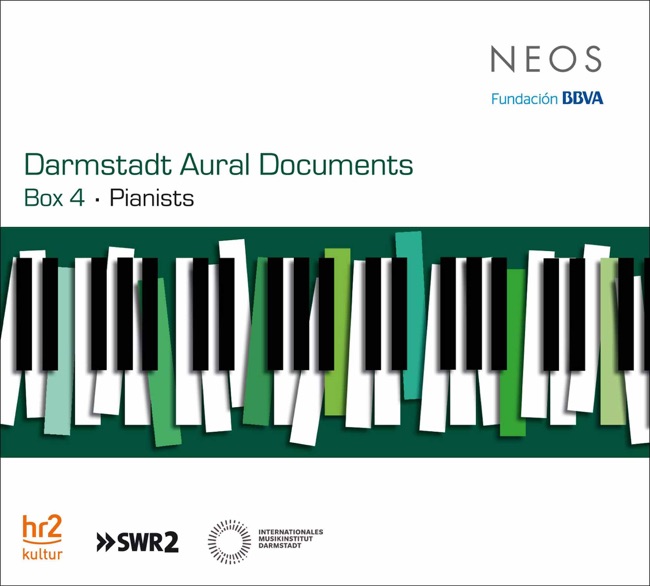 August 5, 2016
 -
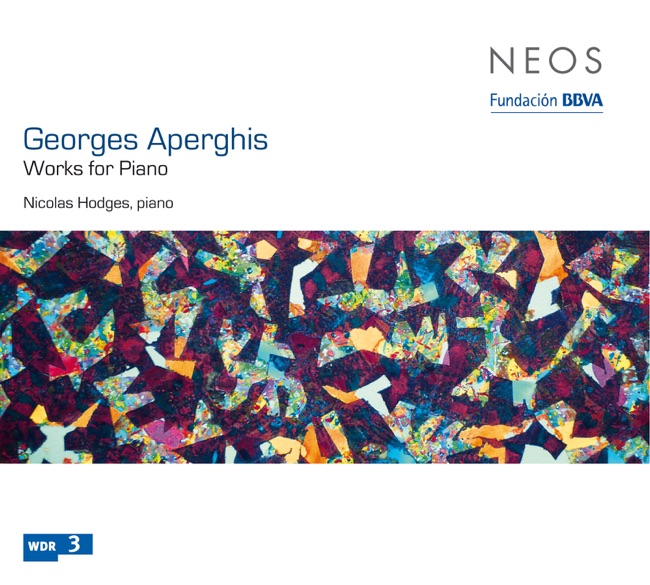 October 27, 2009
Choral
-
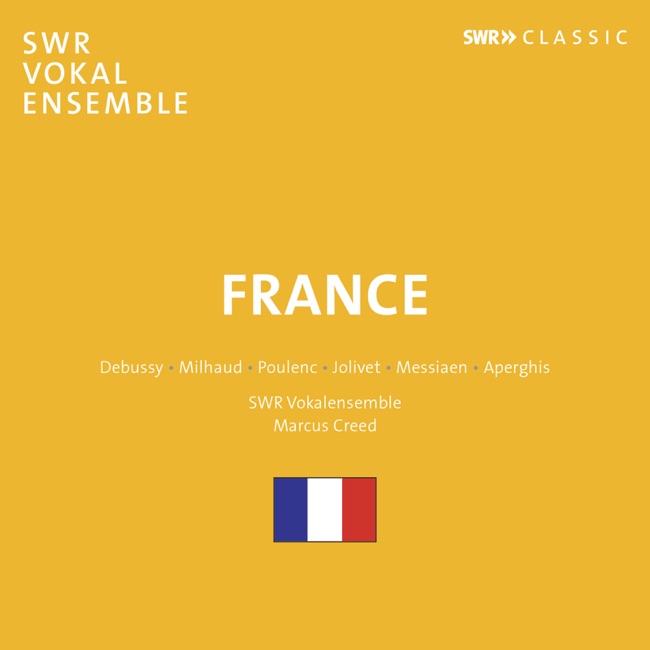 September 14, 2018
 -
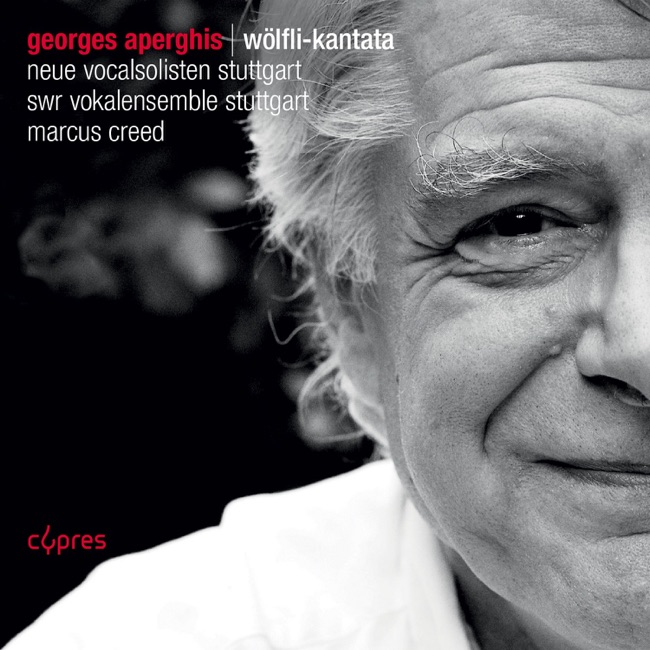 December 9, 2013
 -
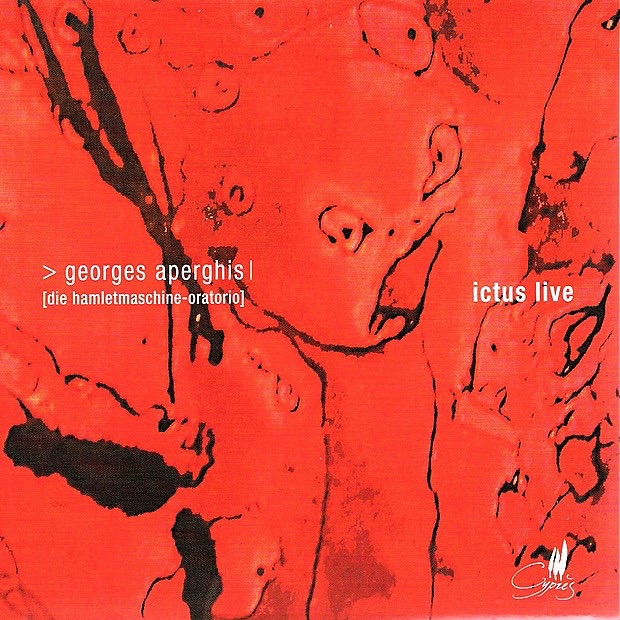 September 24, 2002
Artist Info
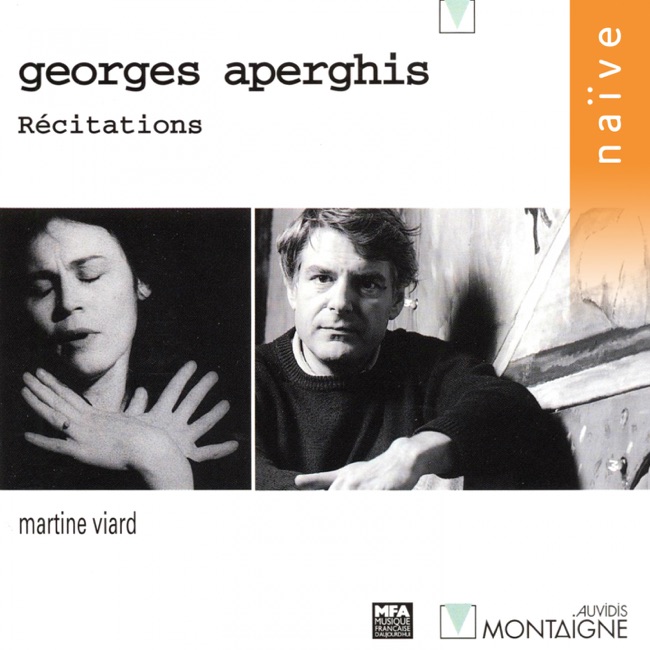
Role:ComposerCountry: GreeceBirth:December 23, 1945 in Athens, GreecePeriod:ContemporaryGenre:ChamberVocalGeorges Aperghis is a Greek-born composer who has made significant contributions to the world of contemporary classical music. Born on December 23, 1945, in Athens, Greece, Aperghis grew up in a family of musicians. His father was a composer and his mother was a singer, which exposed him to music from a young age. Aperghis began his musical education at the Athens Conservatory, where he studied piano, music theory, and composition. After completing his studies at the Athens Conservatory, Aperghis moved to Paris in 1963 to continue his musical education. He enrolled at the Conservatoire National Supérieur de Musique et de Danse de Paris, where he studied composition with André Jolivet and Olivier Messiaen. During this time, Aperghis also became interested in experimental music and began to explore new ways of creating and performing music. In the early 1970s, Aperghis began to gain recognition for his innovative compositions. His works often incorporate spoken word, theatrical elements, and unconventional instruments, such as toys and household objects. Aperghis is known for his use of extended techniques, which involve playing instruments in unconventional ways to create new sounds and textures. One of Aperghis's most famous works is "Recitations," a series of solo pieces for voice that he began composing in 1977. The pieces are based on texts by various authors, including Samuel Beckett and James Joyce, and are characterized by their fragmented, non-linear structure. The performer is required to use a wide range of vocal techniques, including speaking, singing, and shouting, to convey the meaning of the text. Another notable work by Aperghis is "Sextuor: L'Origine des espèces," which he composed in 1984. The piece is scored for six musicians and is based on the writings of Charles Darwin. The performers are required to use a variety of instruments, including clarinet, saxophone, trumpet, and percussion, to create a complex and dynamic sound world. In addition to his work as a composer, Aperghis has also been involved in the creation of new music theater works. He has collaborated with a number of directors and choreographers, including Peter Sellars and Anne Teresa De Keersmaeker, to create innovative productions that combine music, theater, and dance. Aperghis has received numerous awards and honors for his contributions to contemporary classical music. In 2011, he was awarded the prestigious Ernst von Siemens Music Prize, which recognizes lifetime achievement in music. He has also been awarded the Grand Prix National de la Musique and the Prix Italia, among other honors. Today, Aperghis continues to compose and perform music around the world. His works are performed by leading ensembles and performers, and he is widely regarded as one of the most important composers of his generation.More....




Copyright Ⓒ 2013 Davinci Finger. All rights reseved
Service Terms & Policy