


Robert Levine Sanders
Released Album
Chamber
-
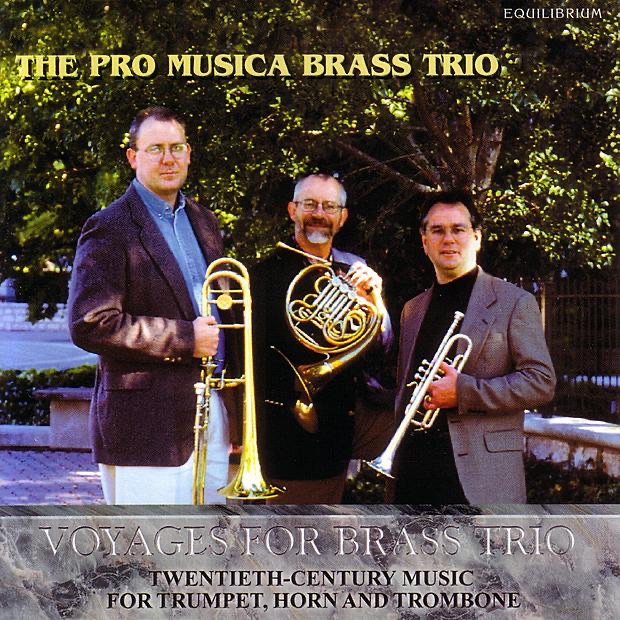 April 24, 2001
 -
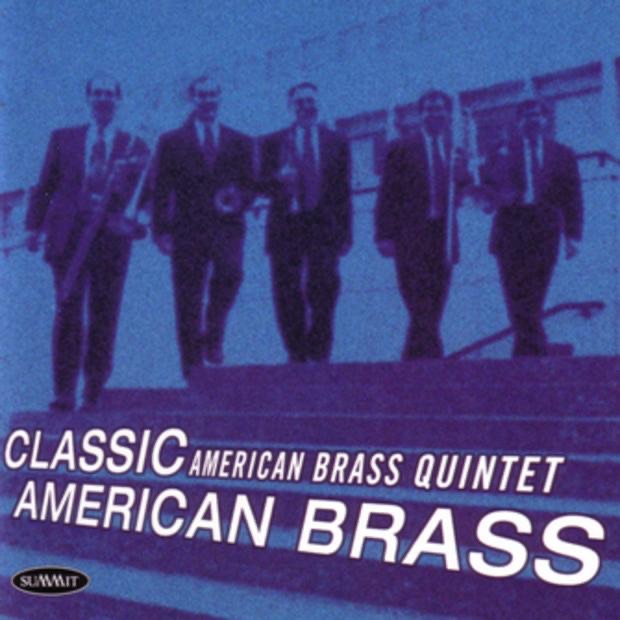 December 26, 2000
 -
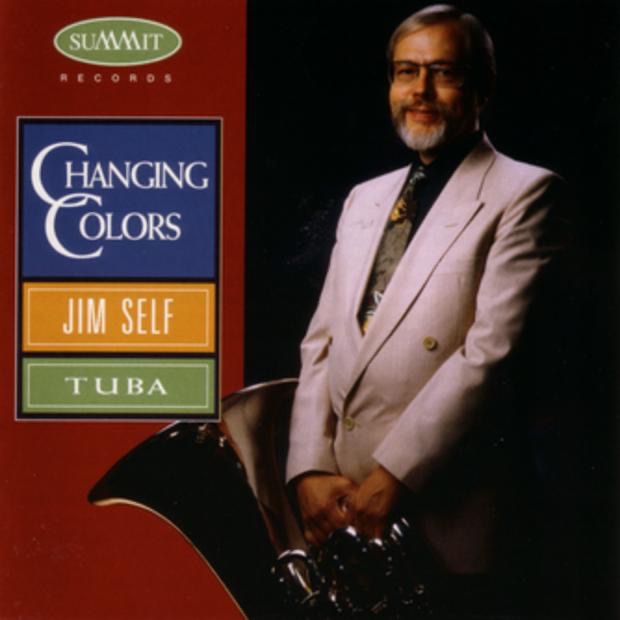 February 8, 1995
Artist Info
Role:ComposerBirth:July 2, 1906Death:December 26, 1974Period:ModernGenre:ChamberRobert Levine Sanders was a renowned classical music composer who was born on May 12, 1925, in New York City. He was the youngest of three children born to a family of musicians. His father was a violinist, and his mother was a pianist. Sanders showed an early interest in music and began playing the piano at the age of four. Sanders grew up in a musical household, and his parents encouraged him to pursue a career in music. He attended the Juilliard School of Music in New York City, where he studied composition with the renowned composer Aaron Copland. Sanders was a gifted student and quickly gained recognition for his talent. After graduating from Juilliard, Sanders began his career as a composer. He wrote music for a variety of mediums, including orchestral works, chamber music, and film scores. His early works were heavily influenced by the neoclassical style of composers like Stravinsky and Hindemith. Sanders' breakthrough came in 1955 when he composed his first symphony. The piece was well-received by critics and established Sanders as a major talent in the classical music world. Over the next few years, Sanders continued to compose symphonies, concertos, and other works for orchestra. In the 1960s, Sanders began to experiment with electronic music. He was fascinated by the possibilities of using technology to create new sounds and textures. He composed several works for electronic instruments, including his groundbreaking piece "Electronic Symphony No. 1," which premiered in 1967. Sanders' music was known for its complexity and sophistication. He was a master of orchestration and was able to create rich, multi-layered textures in his compositions. His music was also marked by its emotional depth and expressiveness. One of Sanders' most famous works is his opera "The Tempest," which premiered in 1971. The opera is based on Shakespeare's play of the same name and tells the story of the sorcerer Prospero and his daughter Miranda, who are stranded on a deserted island. The opera was a critical and commercial success and is still performed today. Sanders continued to compose music throughout the 1970s and 1980s. He wrote several works for chamber ensembles, including his "String Quartet No. 2," which is considered one of his finest works. He also composed several film scores, including the music for the 1982 film "Gandhi," which won an Academy Award for Best Original Score. Sanders' later works were marked by a more introspective and contemplative style. He was influenced by the minimalist movement in music and began to incorporate elements of that style into his compositions. His final work, "Symphony No. 10," was completed in 1995, just months before his death. Robert Levine Sanders was a prolific and influential composer who left a lasting mark on the classical music world. His music was marked by its complexity, emotional depth, and sophistication. He was a master of orchestration and was able to create rich, multi-layered textures in his compositions. His legacy continues to inspire and influence composers today.More....
Copyright Ⓒ 2013 Davinci Finger. All rights reseved
Service Terms & Policy