


Iván Eröd
Released Album
Chamber
-
 November 16, 2018
 -
-
 October 8, 2013
 -
-
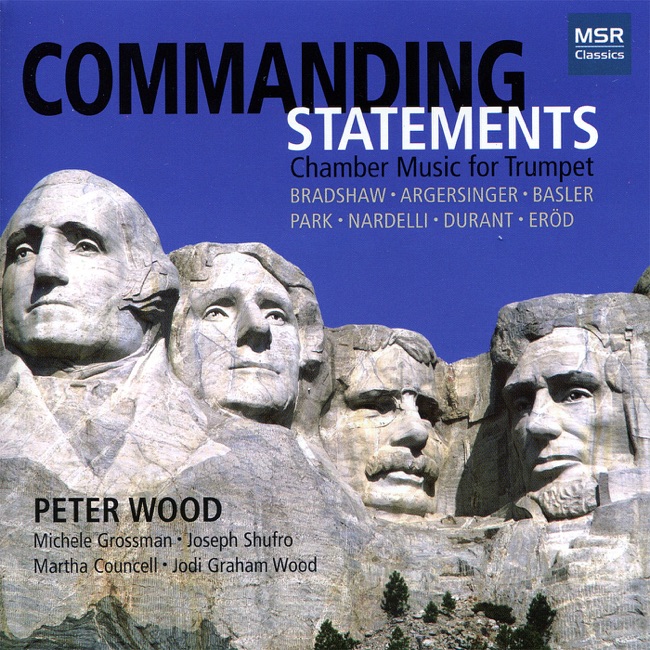 September 18, 2007
Keyboard
-
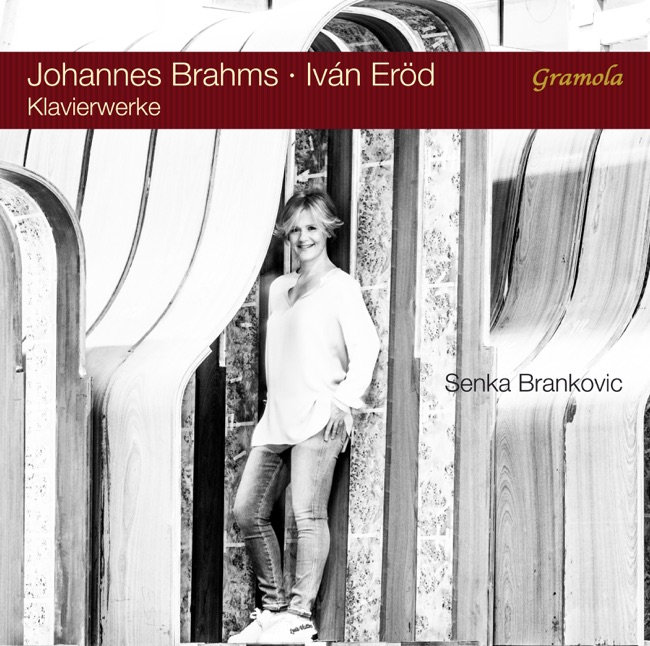 September 7, 2018
 -
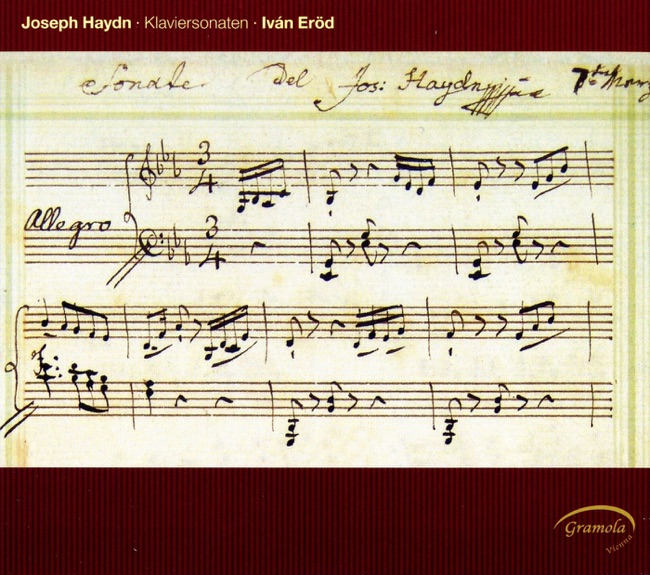 April 15, 2010
 -
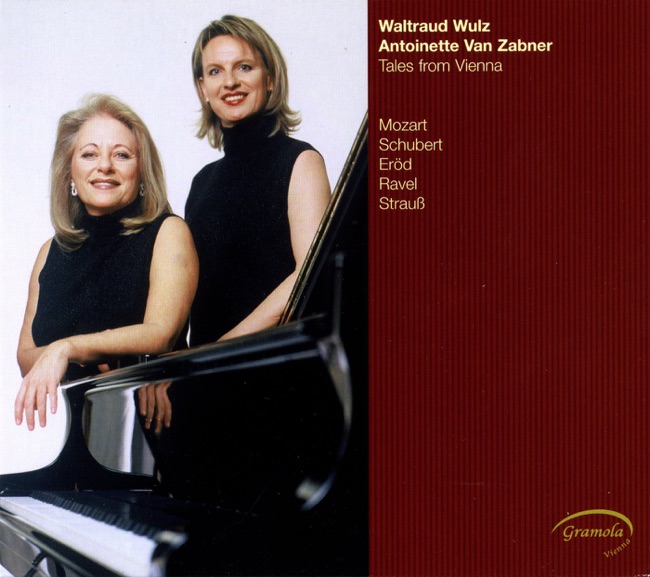 October 16, 2009
Concerto
-
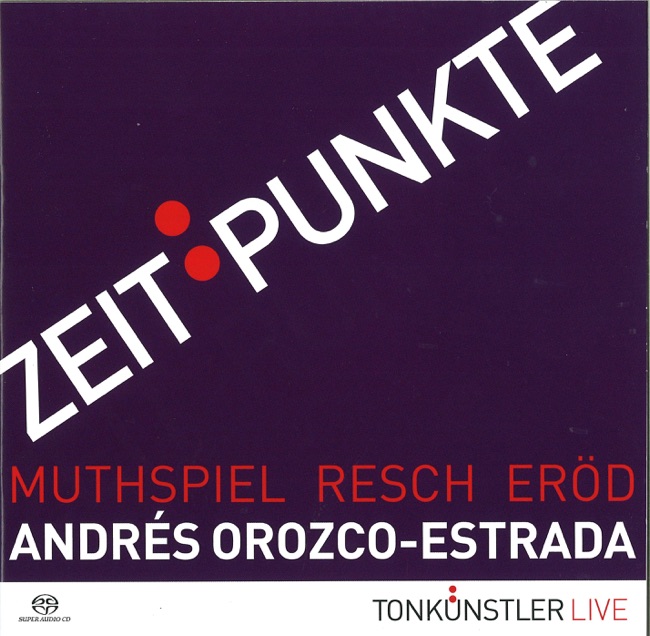 July 16, 2012
Artist Info
Role:ComposerBirth:1936Period:ContemporaryGenre:ChamberIván Eröd was a Hungarian-Austrian composer who was born on April 6, 1936, in Budapest, Hungary. He was the son of a Jewish family, and his father was a lawyer. Eröd showed an early interest in music and began playing the piano at the age of six. He later studied composition at the Franz Liszt Academy of Music in Budapest, where he was a student of Ferenc Farkas. Eröd's early works were influenced by the Hungarian folk music tradition, and he often incorporated elements of this style into his compositions. He also drew inspiration from the works of other composers, including Béla Bartók and Zoltán Kodály. In 1956, Eröd fled Hungary during the Hungarian Revolution and settled in Vienna, Austria. He continued his studies at the Vienna Music Academy, where he studied with Hanns Jelinek and Karl Schiske. Eröd's early compositions were well-received, and he quickly established himself as a promising young composer. In 1962, he won the Austrian State Prize for Composition for his String Quartet No. 1. This was followed by a series of other awards and honors, including the Prix Italia in 1966 for his radio opera, "Die Befreiung des Prometheus" (The Liberation of Prometheus). Eröd's music is characterized by its clarity and precision, as well as its use of traditional forms and structures. He often incorporated elements of serialism and other modernist techniques into his compositions, but always maintained a strong connection to tonality and melody. His works are known for their emotional depth and expressive power, as well as their technical sophistication. One of Eröd's most famous works is his opera, "Le Bal," which premiered in Vienna in 1983. The opera is based on a play by Jean Anouilh and tells the story of a family's decline over the course of several generations. The work is notable for its use of multiple narrators and its complex structure, which includes flashbacks and dream sequences. "Le Bal" was a critical and commercial success, and it has since been performed in numerous productions around the world. Eröd's other notable works include his Symphony No. 1, which premiered in 1968 and was dedicated to the memory of his father. The symphony is a powerful and emotional work that reflects Eröd's personal experiences and struggles. He also composed a number of chamber works, including several string quartets and a piano trio. These works are known for their intricate textures and complex harmonies, as well as their expressive power. Throughout his career, Eröd remained committed to his craft and continued to compose new works until his death in 2019. He was widely regarded as one of the most important composers of his generation, and his music continues to be performed and celebrated around the world. His legacy is a testament to the power of music to transcend borders and bring people together, even in the face of adversity.More....
Recent Artist Music
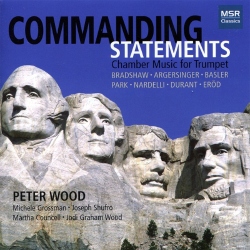
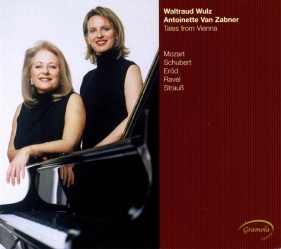
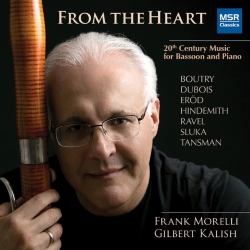
Copyright Ⓒ 2013 Davinci Finger. All rights reseved
Service Terms & Policy