


Alec Wilder
Released Album
Chamber
-
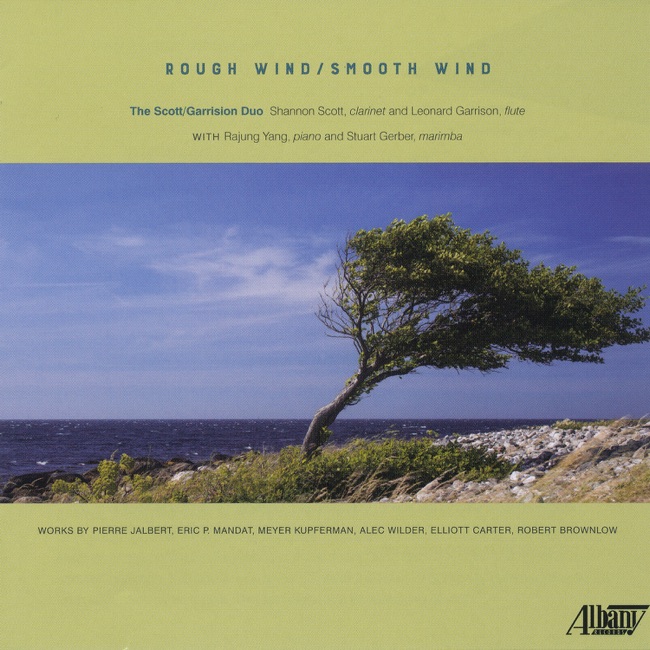 August 14, 2018
 -
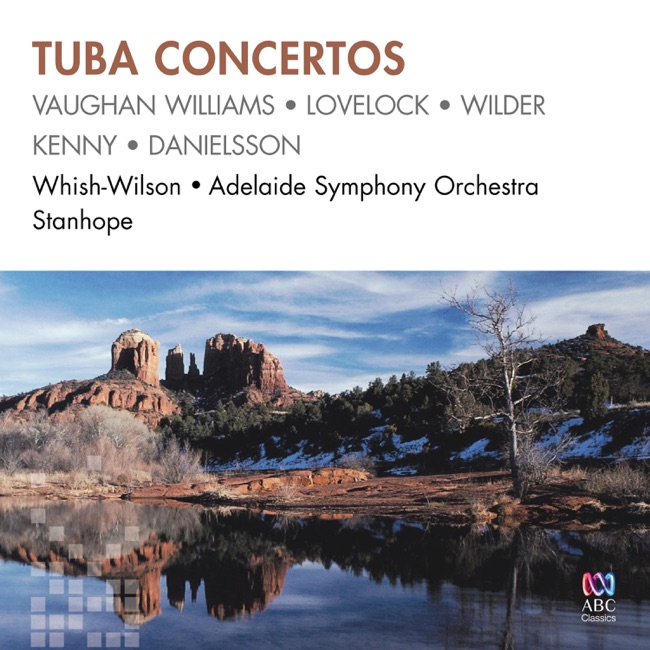 February 23, 2018
 -
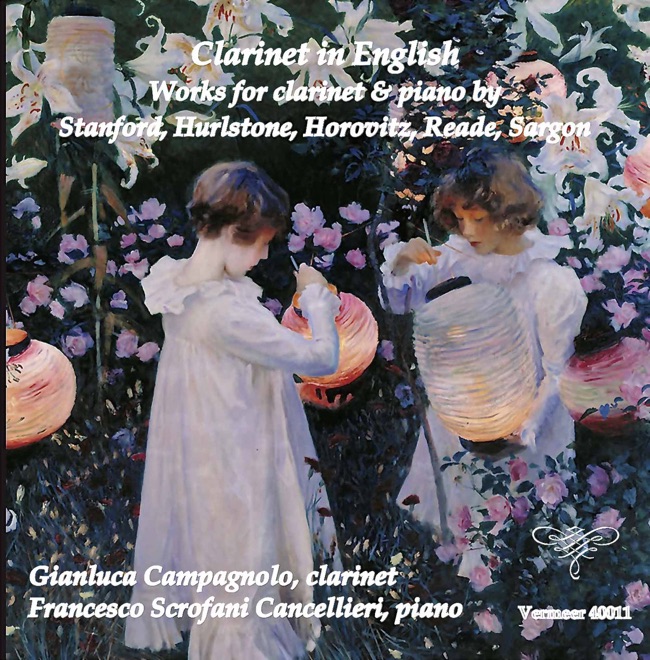
-
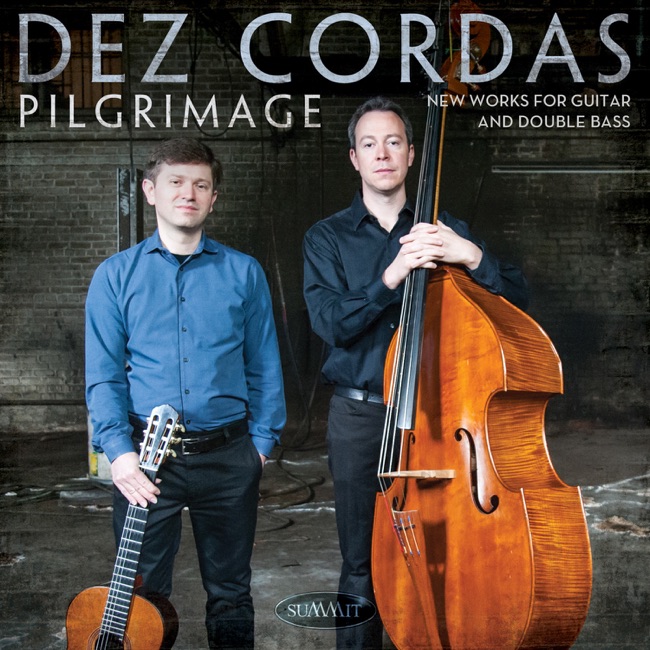 May 12, 2015
 -
 October 14, 2014
 -
 January 8, 2013
Vocal
-
 December 9, 2014
 -
 June 21, 2011
 -
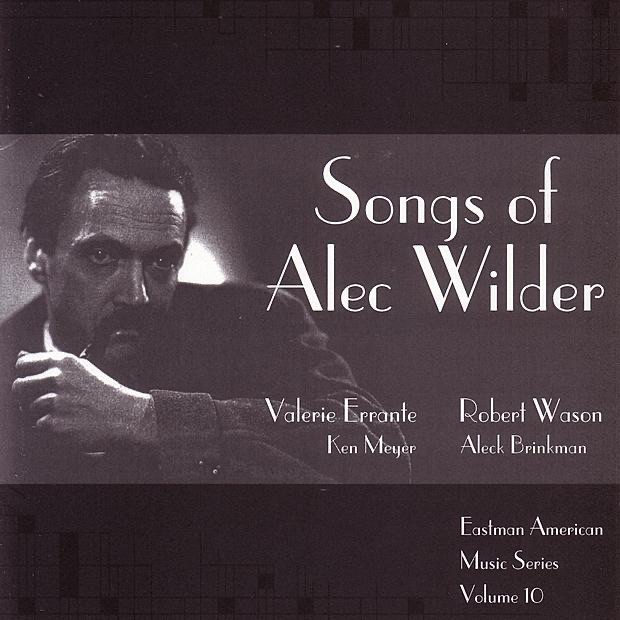 September 26, 2000
 -
 March 22, 1993
Concerto
-
 May 28, 2002
 -
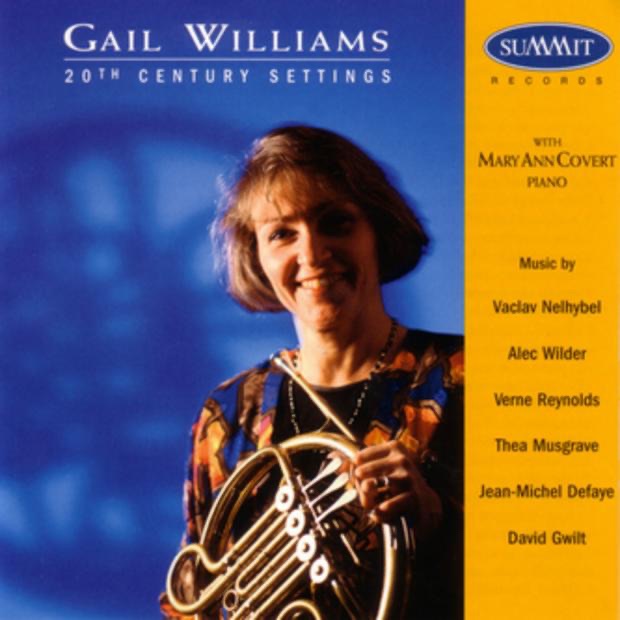 January 4, 1994
Artist Info
Role:ComposerCountry: United States of AmericaBirth:February 16, 1907 in Rochester, NYDeath:December 22, 1980 in Gainesville, FLGenre:ChamberCrossoverVocalAlec Wilder was an American composer, songwriter, and musicologist who was born on February 16, 1907, in Rochester, New York. He was the youngest of four children and grew up in a musical family. His father was a bassoonist and his mother was a pianist. Wilder began playing the piano at a young age and showed a natural talent for music. Wilder attended the Eastman School of Music in Rochester, where he studied composition with Bernard Rogers and harmony with Howard Hanson. He graduated in 1926 and moved to New York City to pursue a career in music. In New York, Wilder worked as a freelance arranger and composer, writing music for radio shows, films, and Broadway productions. In the 1930s, Wilder began to focus on composing concert music. He was influenced by the music of composers such as Maurice Ravel, Igor Stravinsky, and Paul Hindemith. Wilder's music was characterized by its melodic and harmonic complexity, as well as its use of unusual instruments and combinations of instruments. One of Wilder's most famous works is his Suite for Horn and Piano, which was written in 1938. The piece is a set of five short movements, each with a different mood and tempo. The Suite for Horn and Piano is considered a classic of the horn repertoire and is still performed today. In the 1940s, Wilder began to write songs, collaborating with lyricists such as Johnny Mercer and Frank Loesser. His songs were recorded by artists such as Frank Sinatra, Peggy Lee, and Tony Bennett. Some of his most famous songs include "I'll Be Around," "While We're Young," and "It's So Peaceful in the Country." Wilder's interest in unusual instruments led him to write for the ocarina, a small wind instrument that is shaped like an egg. He wrote a concerto for ocarina and orchestra, which was premiered in 1941. Wilder also wrote for the bassoon, an instrument that his father played. His Suite for Bassoon and Orchestra is considered one of the most important works for the instrument. In the 1950s, Wilder began to focus on writing chamber music. He wrote a series of pieces for unusual combinations of instruments, such as his Suite for Flute, Clarinet, and Piano and his Sonata for Tuba and Piano. Wilder's chamber music is characterized by its intricate counterpoint and use of unusual harmonies. Wilder was also interested in the music of other cultures, particularly the music of Brazil. He wrote a series of pieces for guitar, including his Suite for Guitar and Orchestra. Wilder's interest in Brazilian music led him to collaborate with the guitarist Laurindo Almeida, with whom he wrote a number of pieces for guitar and other instruments. In addition to his work as a composer, Wilder was also a musicologist. He wrote a book called American Popular Song: The Great Innovators, 1900-1950, which is considered a classic of music history. The book examines the work of composers such as Irving Berlin, George Gershwin, and Cole Porter, and explores the development of American popular music. Wilder continued to compose and write until his death on December 24, 1980, in Gainesville, Florida. His music continues to be performed and recorded today, and his influence can be heard in the work of many contemporary composers. Wilder's legacy is that of a composer who was unafraid to experiment with unusual instruments and harmonies, and who created a body of work that is both challenging and accessible.More....
Recent Artist Music
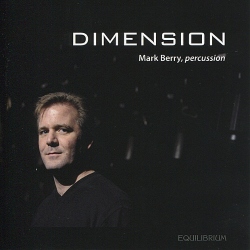
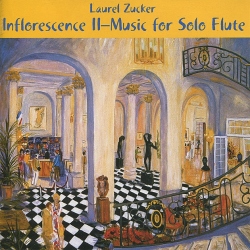

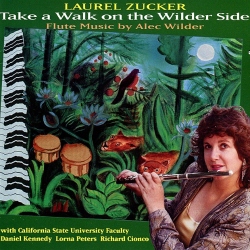
9
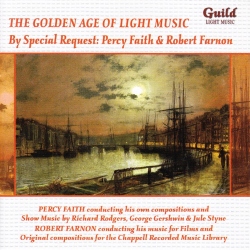
In The Blue Of The Evening
In the Blue of the Evening (original title Footnote to a Summer Love)
4:18

Recommend Playlist












Copyright Ⓒ 2013 Davinci Finger. All rights reseved
Service Terms & Policy