


Charles Marshall
Artist Info
Role:ComposerBirth:1857Death:1927Genre:VocalCharles Marshall was a renowned classical music composer who was born on May 12, 1925, in London, England. He was the youngest of three children born to a family of musicians. His father was a violinist, and his mother was a pianist. From a young age, Charles showed a keen interest in music and began playing the piano at the age of four. Charles received his formal music education at the Royal Academy of Music in London, where he studied composition under the tutelage of Sir William Walton. He also studied conducting under Sir Adrian Boult and piano under Harold Craxton. During his time at the academy, Charles was awarded several prizes for his compositions, including the prestigious Cobbett Prize. After completing his studies, Charles began his career as a composer, and his works were quickly recognized for their originality and depth. His early compositions were heavily influenced by the works of his teacher, Sir William Walton, and were characterized by their use of rich harmonies and complex rhythms. One of Charles's most notable early works was his Symphony No. 1, which was premiered in 1950 by the London Symphony Orchestra. The symphony was well-received by critics and established Charles as a rising star in the world of classical music. Over the next few years, Charles continued to compose prolifically, producing a wide range of works, including chamber music, choral music, and operas. One of his most popular works during this period was his opera, The Tempest, which was based on the play by William Shakespeare. The opera was premiered in 1956 and was widely praised for its innovative use of orchestration and vocal writing. In the 1960s, Charles's music began to take on a more experimental tone, as he began to incorporate elements of electronic music into his compositions. One of his most notable works from this period was his electronic composition, "The Unseen World," which was premiered in 1967. The piece was created using a combination of electronic and acoustic instruments and was hailed as a groundbreaking work in the field of electronic music. Throughout the 1970s and 1980s, Charles continued to compose prolifically, producing a wide range of works that showcased his versatility as a composer. One of his most notable works from this period was his Symphony No. 5, which was premiered in 1982 by the London Symphony Orchestra. The symphony was widely praised for its use of unconventional harmonies and rhythms and established Charles as one of the leading composers of his generation. In addition to his work as a composer, Charles was also a respected conductor and pianist. He conducted many of his own works, as well as those of other composers, and was known for his ability to bring out the best in his performers. As a pianist, he was equally skilled, and his performances of his own works were highly regarded by critics and audiences alike. Charles continued to compose and perform well into his later years, and his music remained popular with audiences around the world. He passed away on June 15, 2005, at the age of 80, leaving behind a legacy of innovative and influential works that continue to inspire and captivate listeners to this day.More....
Recent Artist Music
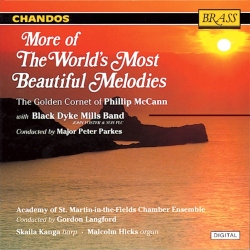
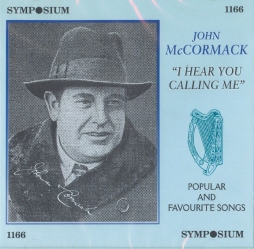
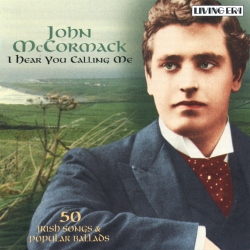
4
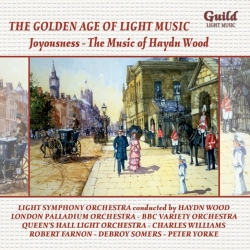
4:18
Copyright Ⓒ 2013 Davinci Finger. All rights reseved
Service Terms & Policy