


John White
Released Album
Keyboard
-
 February 7, 2020
 -
 March 31, 2014
 -
-
 May 1, 1997
 -
 June 23, 1995
Chamber
-
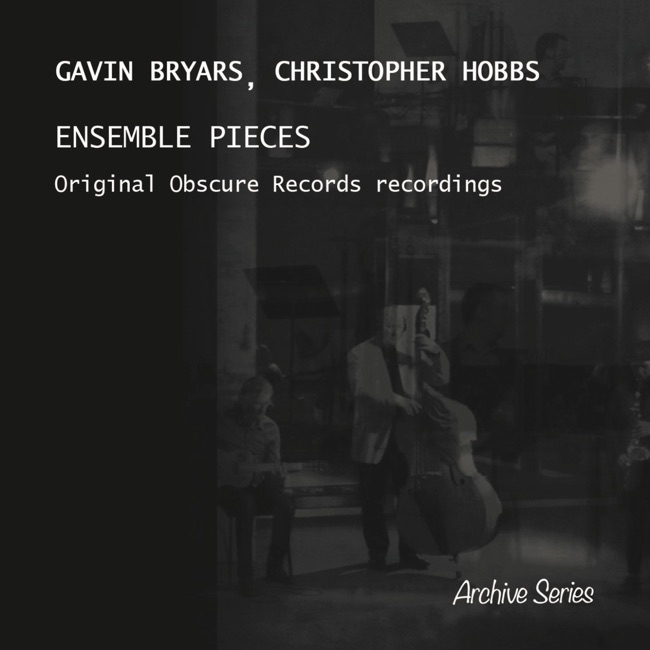 November 13, 2015
 -
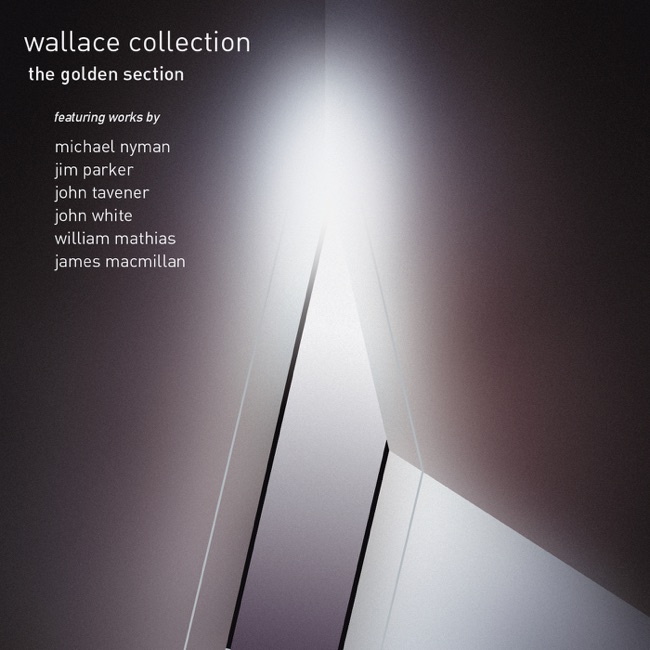 June 30, 2009
 -
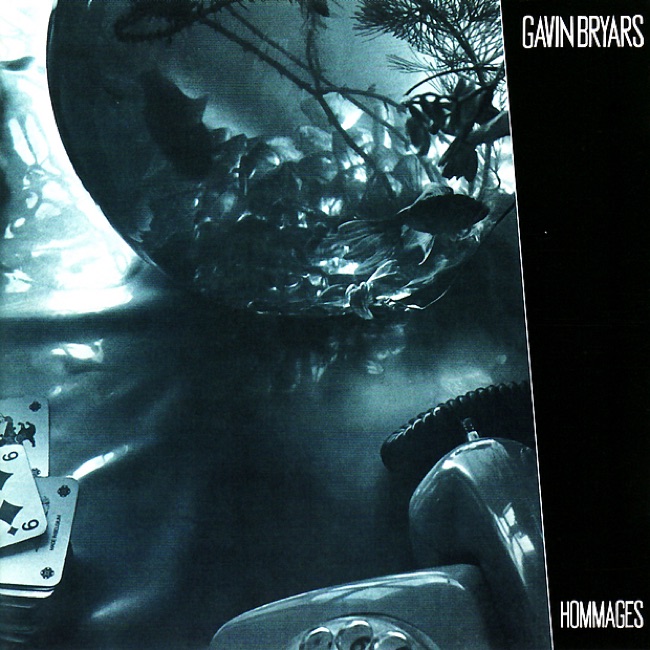 February 26, 2008
 -
 March 2, 1999
 -
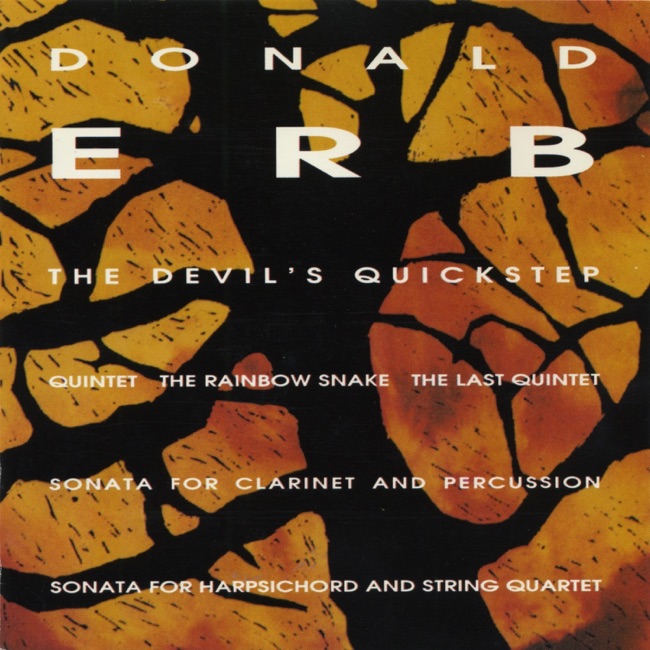 June 10, 1994
Artist Info
Role:ComposerCountry: United KingdomBirth:April 5, 1936 in Berlin, GermanyGenre:ChamberKeyboardJohn White was a British composer born on April 5, 1936, in Berlin, Germany. His father, a British diplomat, was stationed in Berlin at the time of his birth. White's family moved to England when he was a child, and he grew up in the town of Bexhill-on-Sea in East Sussex. White showed an early interest in music and began playing the piano at a young age. He studied music at the Royal College of Music in London, where he was a student of composer Mátyás Seiber. White also studied composition with Peter Racine Fricker and Lennox Berkeley. White's early works were influenced by the avant-garde music of the 1950s and 1960s, particularly the work of composers such as John Cage and Karlheinz Stockhausen. He was also interested in the use of chance and indeterminacy in music, and many of his early works incorporated elements of improvisation and aleatoric techniques. One of White's early works, "Piano Sonata No. 1," was composed in 1958 and premiered at the Wigmore Hall in London the following year. The piece is characterized by its use of dissonant harmonies and unconventional rhythms, and it demonstrates White's interest in experimental techniques. In the 1960s, White became associated with the British experimental music group, the Scratch Orchestra. The group was founded in 1969 by Cornelius Cardew, and it included a number of composers and performers who were interested in exploring new approaches to music-making. White was a member of the group from its inception until its dissolution in 1974. During his time with the Scratch Orchestra, White composed a number of works that reflected the group's experimental ethos. One of his most famous works from this period is "Drinking and Hooting Machine," which was composed in 1970. The piece is scored for a group of performers who use a variety of instruments and objects, including beer bottles and bicycle horns, to create a cacophonous and chaotic sound. In the 1970s, White began to move away from the avant-garde techniques that had characterized his earlier work. He became interested in the music of the Baroque and Classical periods, and he began to incorporate elements of these styles into his compositions. One of White's most famous works from this period is "Sonata for Harpsichord," which was composed in 1975. The piece is a tribute to the music of J.S. Bach, and it incorporates many of the contrapuntal techniques that were characteristic of Bach's music. White continued to compose throughout the 1980s and 1990s, and his later works reflect a wide range of influences and styles. He composed a number of works for solo piano, including "Piano Sonata No. 5," which was composed in 1983. The piece is characterized by its use of tonal harmonies and lyrical melodies, and it demonstrates White's ability to create music that is both accessible and sophisticated. In addition to his work as a composer, White was also a respected music educator. He taught at a number of institutions, including the Royal College of Music and the University of Southampton. He was known for his innovative teaching methods, which emphasized the importance of creativity and experimentation in music-making. White's contributions to the world of classical music have been recognized with a number of awards and honors. In 2005, he was awarded the British Composer Award for his contributions to contemporary music. He was also made a Member of the Order of the British Empire in 2011 for his services to music.More....
Recent Artist Music

6
3:2

Copyright Ⓒ 2013 Davinci Finger. All rights reseved
Service Terms & Policy