


Willy Burkhard
Released Album
Chamber
-
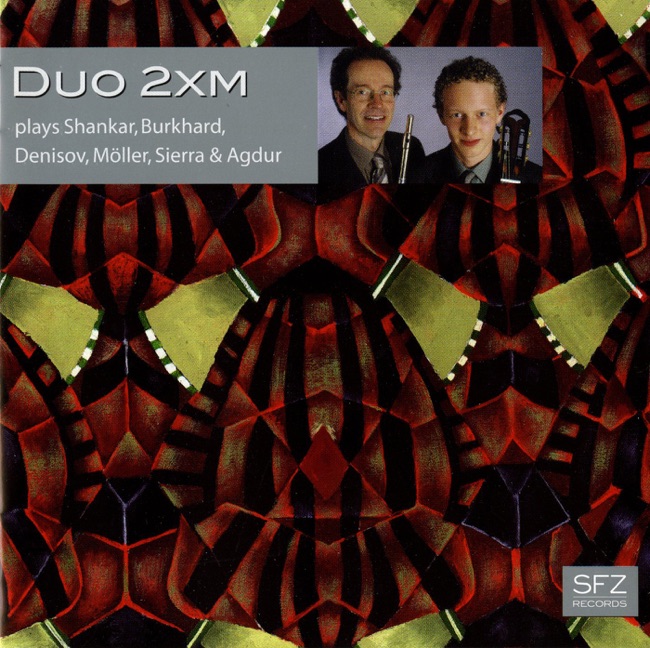 January 31, 2012
 -
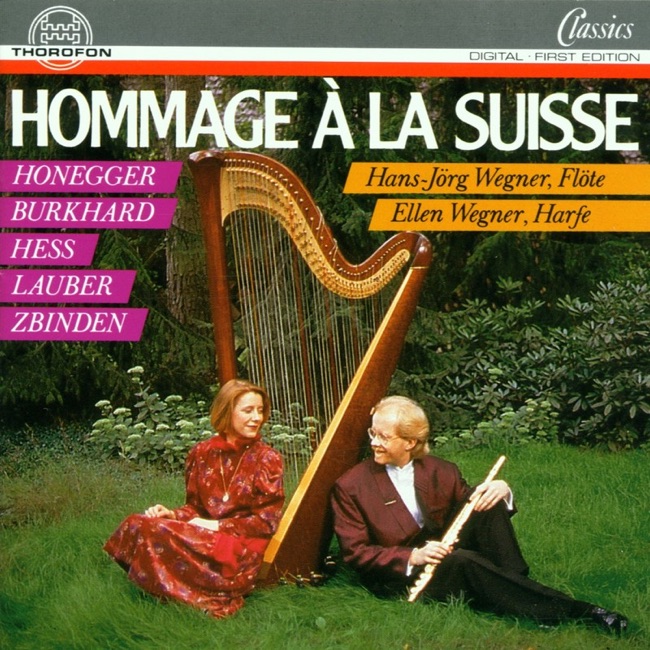 November 15, 2008
 -
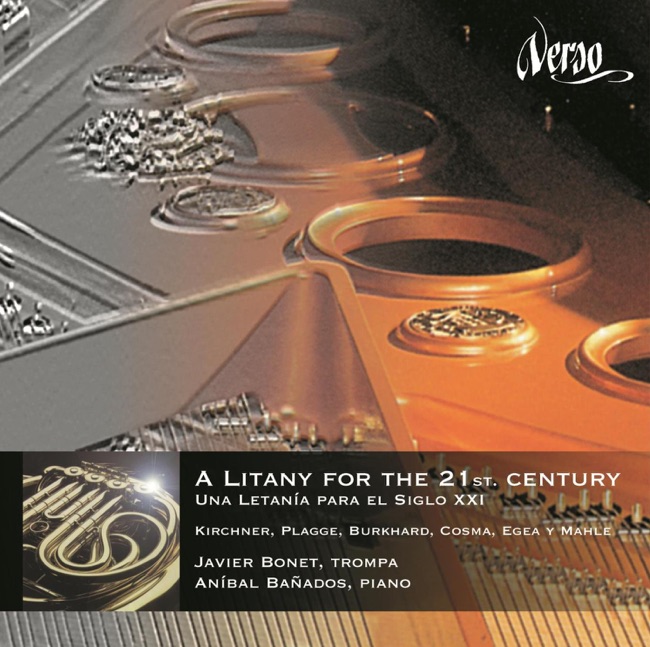 October 30, 2001
 -
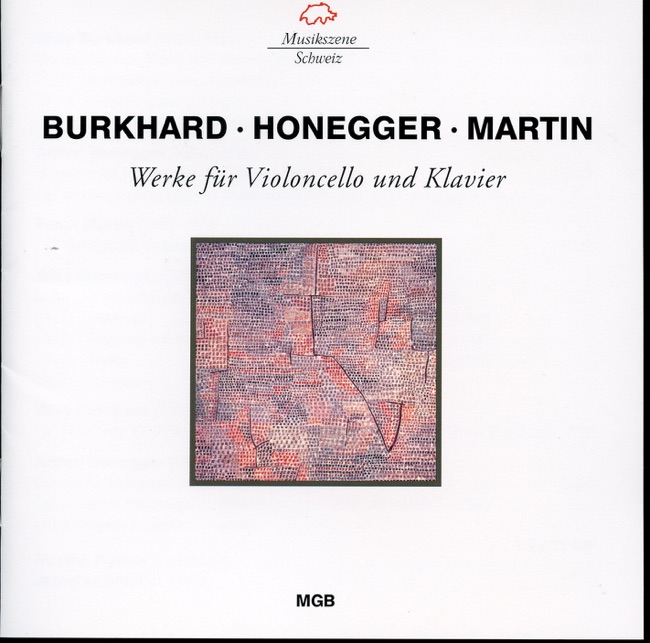
-
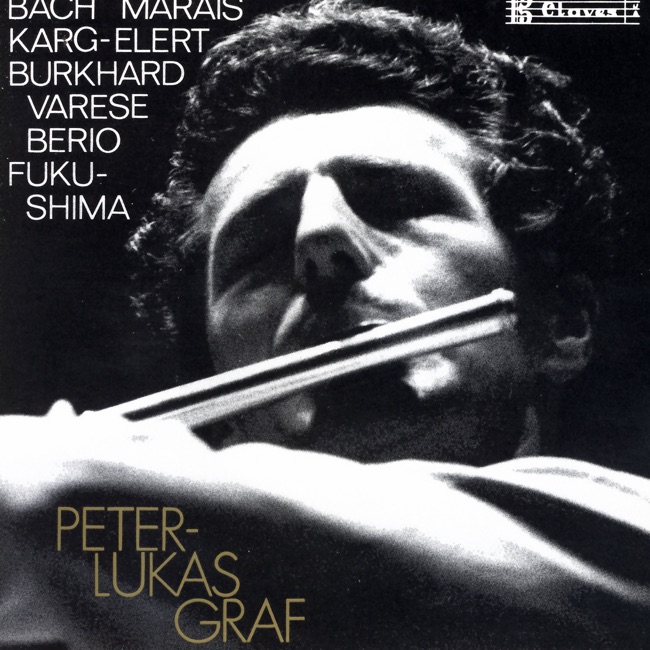 October 1, 1999
 -
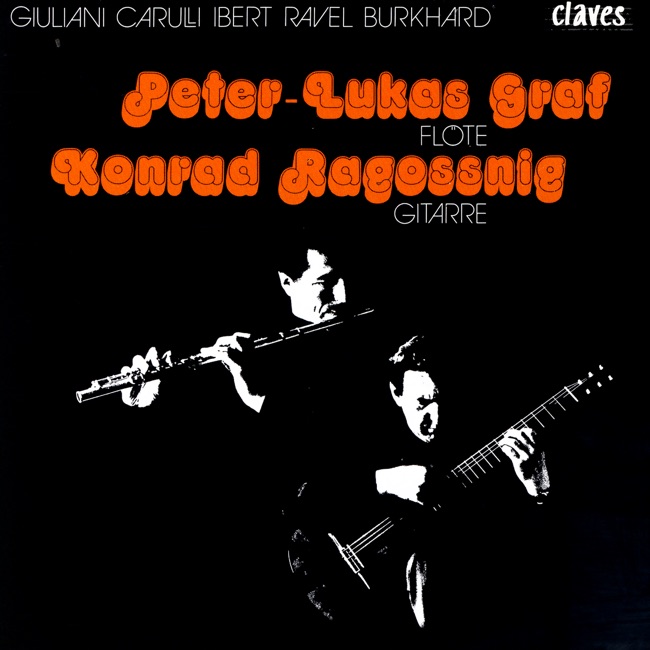 October 1, 1999
Keyboard
-
 January 22, 2003
Choral
-
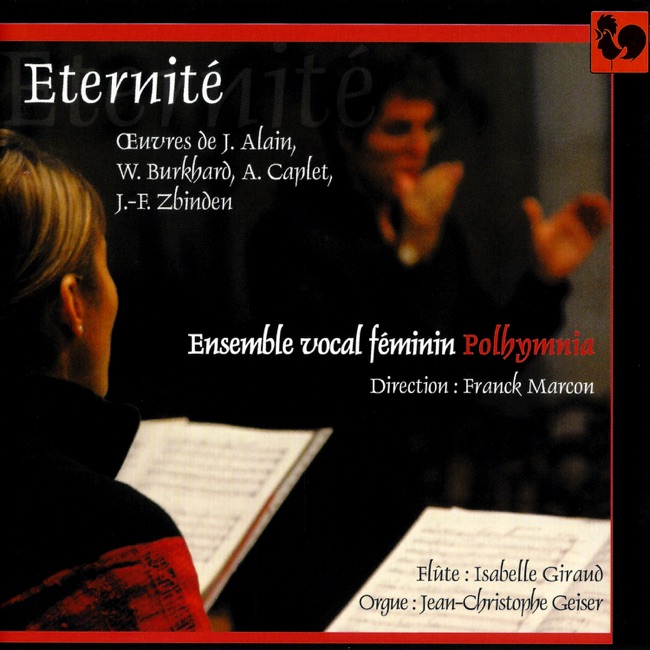 December 26, 2006
Artist Info
Role:ComposerCountry: SwitzerlandBirth:April 17, 1900 in Évilard sur Bienne, SwitzerlandDeath:June 18, 1955 in Zürich, SwitzerlandPeriod:ModernGenre:ChamberWilly Burkhard was a Swiss composer who was born on February 17, 1900, in the city of Basel. He was the son of a music teacher and grew up in a musical family. Burkhard began his musical education at a young age, studying piano and violin with his father. He later studied composition with Hans Huber at the Basel Conservatory. Burkhard's early compositions were influenced by the music of his teacher, Huber, as well as the works of the German composer Richard Strauss. In 1923, Burkhard won the Swiss Music Prize for his composition "Symphony in C Major." This early success helped establish Burkhard as a promising young composer. In the 1920s and 1930s, Burkhard continued to compose orchestral works, including his "Concerto for Piano and Orchestra" and "Symphony No. 2." He also began to write music for the theater, including the ballet "Der Triumph der Liebe" and the opera "Die schwarze Spinne." Burkhard's music was characterized by its lush harmonies and rich orchestration. He was known for his ability to create complex textures and intricate rhythms, as well as his use of folk melodies and other traditional musical forms. During World War II, Burkhard's music was banned by the Nazi regime in Germany, as it was considered "degenerate" and "un-German." Despite this setback, Burkhard continued to compose, and his music remained popular in Switzerland and other countries. In the post-war years, Burkhard's music became more introspective and reflective. He composed a number of works for chamber ensembles, including his "String Quartet No. 2" and "Sonata for Violin and Piano." He also wrote a number of choral works, including his "Cantata for Peace" and "Requiem." Burkhard's most famous work is his "Music for Strings, Percussion, and Celesta," which was composed in 1949. This piece is a masterpiece of 20th-century music, and it has been performed and recorded by many of the world's leading orchestras. Burkhard died on June 18, 1955, in Zurich, Switzerland. He left behind a legacy of beautiful and innovative music, which continues to be performed and appreciated by musicians and audiences around the world.More....
Recent Artist Music
9
2:51

11
10:3
Copyright Ⓒ 2013 Davinci Finger. All rights reseved
Service Terms & Policy