


Eugen Kapp
Released Album
Orchestral
-
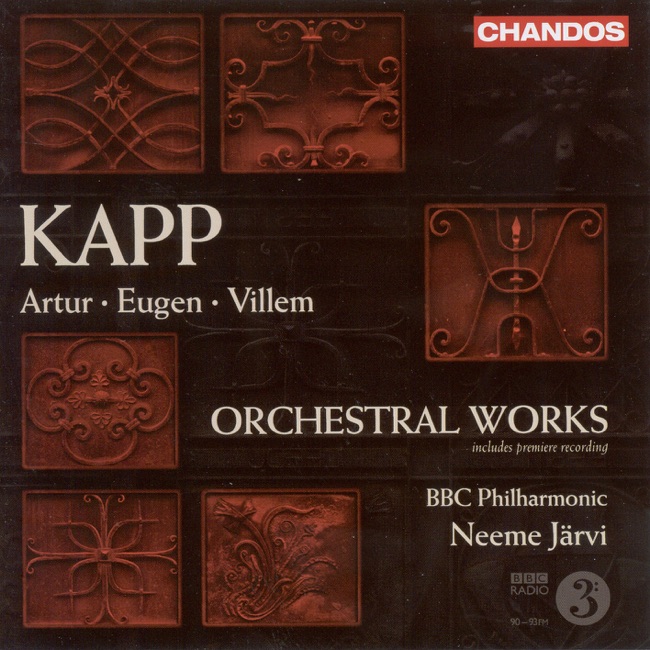 January 15, 2008
Concerto
-
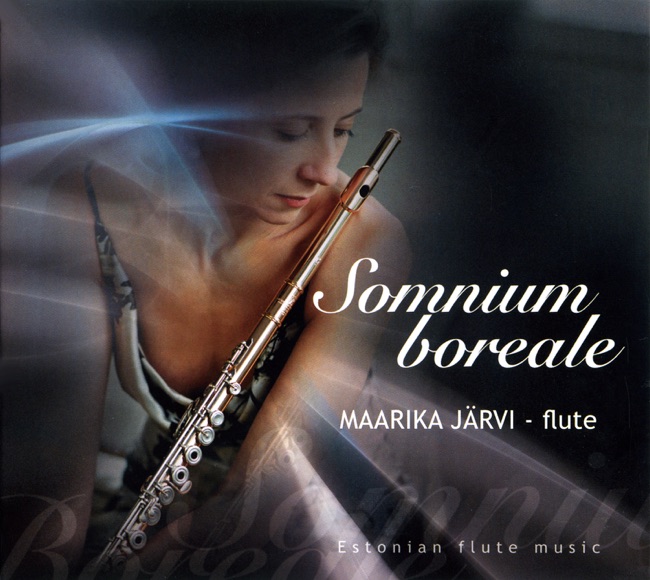 April 16, 2012
Artist Info
Role:ComposerCountry: EstoniaBirth:1908Death:1996Eugen Kapp was a prominent Estonian composer, conductor, and music educator who made significant contributions to the development of classical music in Estonia. He was born on March 25, 1908, in Tartu, Estonia, to a family of musicians. His father, Artur Kapp, was a renowned composer and conductor, and his mother, Marie Kapp, was a pianist and music teacher. Eugen Kapp grew up in a musical environment and showed an early interest in music. Kapp received his first music lessons from his mother and later studied at the Tartu Music School. In 1926, he enrolled at the Tallinn Conservatory, where he studied composition with Artur Kapp, his father, and piano with Aleksander Läte. Kapp graduated from the conservatory in 1931 and continued his studies in composition with Heino Eller at the Estonian Academy of Music and Theatre. In 1934, Kapp became a conductor at the Estonian National Opera, where he worked until 1944. During this time, he conducted numerous operas and ballets, including works by Estonian composers such as Artur Kapp, Eduard Tubin, and Veljo Tormis. Kapp also composed his own works, including his first opera, "The Last Spring," which premiered in 1938. In 1944, Kapp fled Estonia with his family due to the Soviet occupation and settled in Sweden. There, he continued to compose and conduct, working with the Swedish Radio Symphony Orchestra and the Royal Opera in Stockholm. In 1950, Kapp returned to Estonia and became a professor of composition at the Estonian Academy of Music and Theatre. He held this position until 1973 and taught many prominent Estonian composers, including Arvo Pärt, Lepo Sumera, and Erkki-Sven Tüür. Kapp's compositions are characterized by their lyrical melodies, rich harmonies, and colorful orchestration. He wrote in a variety of genres, including opera, ballet, symphony, chamber music, and choral music. Some of his most notable works include his second opera, "The Ship," which premiered in 1959 and is based on the novel by Mati Unt. The opera tells the story of a group of people who are stranded on a ship in the middle of the ocean and must confront their fears and desires. Kapp's ballet "Kalevipoeg" premiered in 1961 and is based on the Estonian national epic poem of the same name. The ballet tells the story of the hero Kalevipoeg and his battles against supernatural creatures and foreign invaders. The music is characterized by its folk-inspired melodies and rhythmic energy. Kapp's symphonic works include his first symphony, which premiered in 1947 and is dedicated to the memory of his father, Artur Kapp. The symphony is a tribute to Estonian folk music and features a prominent role for the Estonian zither, or kannel. Kapp's second symphony, which premiered in 1957, is a more introspective work that explores themes of loss and redemption. Kapp's choral music is also highly regarded and includes his "Requiem" for mixed choir and orchestra, which premiered in 1965. The work is a tribute to the victims of World War II and is characterized by its somber and reflective tone. In addition to his work as a composer and conductor, Kapp was also a respected music educator. He was a founding member of the Estonian Composers' Union and served as its chairman from 1957 to 1967. He was also a member of the Estonian Academy of Sciences and received numerous awards and honors for his contributions to Estonian music.More....

Copyright Ⓒ 2013 Davinci Finger. All rights reseved
Service Terms & Policy