


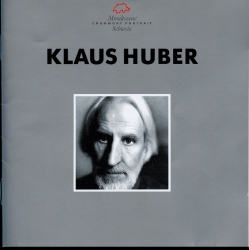
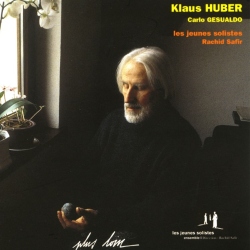
Klaus Huber
Released Album
Chamber
-
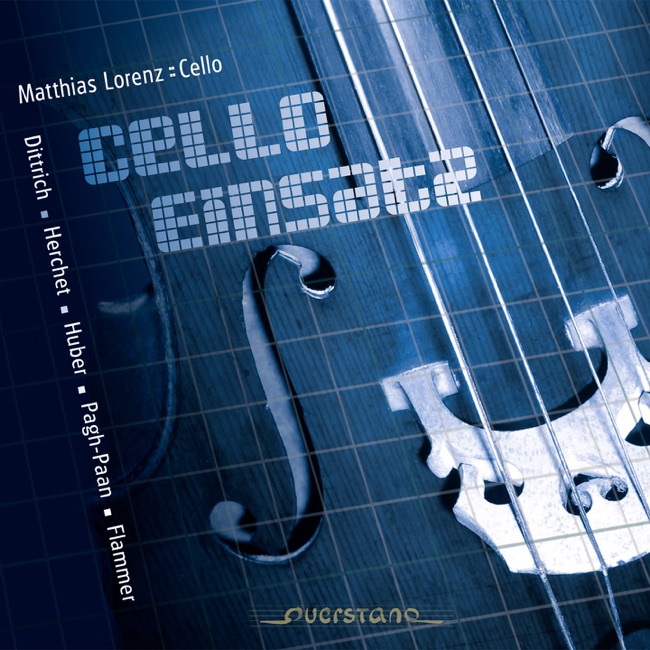 March 22, 2019
 -
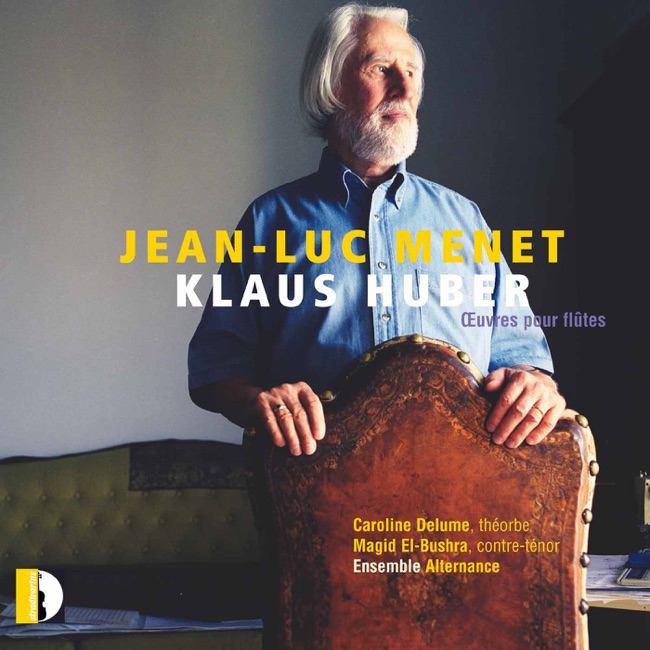 January 27, 2017
 -
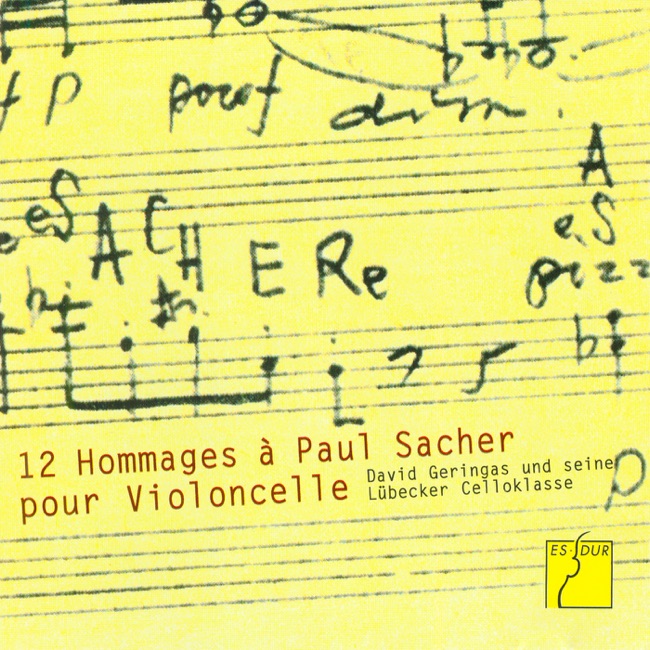 November 18, 2014
 -
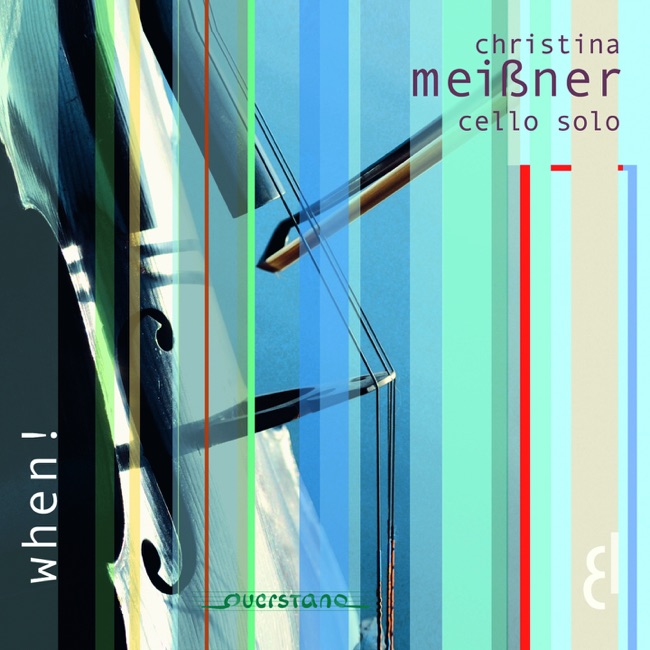 July 4, 2014
 -
 July 13, 2010
 -
 June 24, 2008
Vocal
-
 August 1, 2013
Choral
-
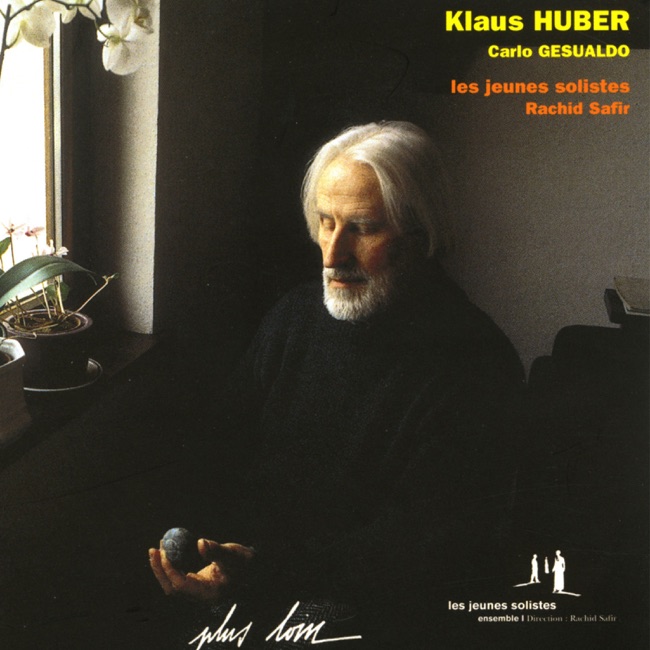 October 10, 2006
 -
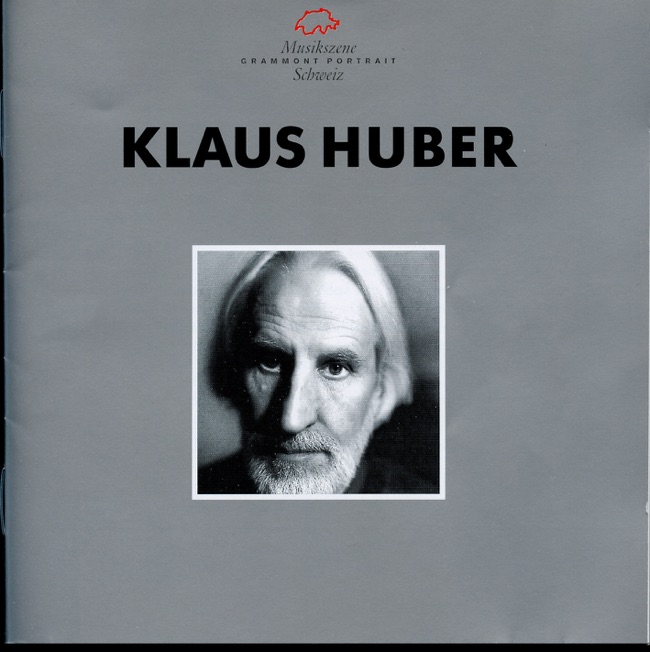 November 1, 1998
 -
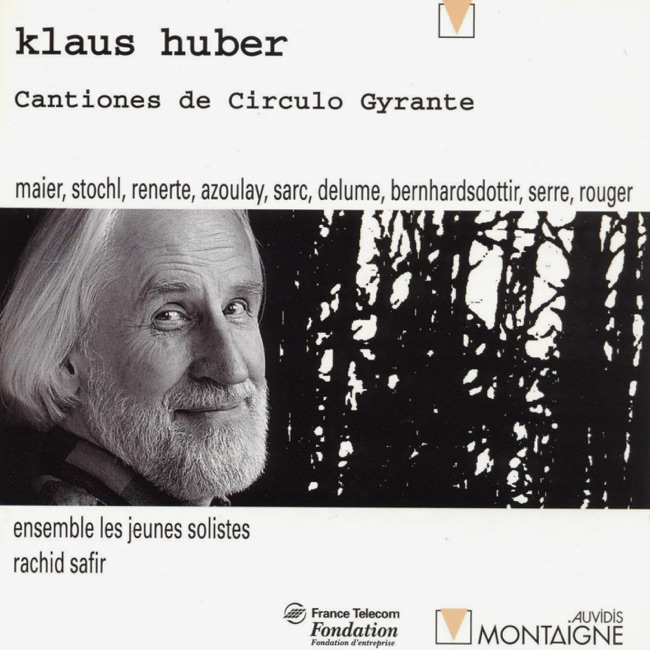 June 20, 1995
Artist Info
Role:ComposerCountry: SwitzerlandBirth:November 30, 1924 in Bern, SwitzerlandGenre:ChamberChoralVocalKlaus Huber was a Swiss composer who was born on November 30, 1924, in Bern, Switzerland. He was the son of a music teacher and grew up in a musical family. Huber began his musical education at a young age, studying piano and violin. He later studied composition with Willy Burkhard at the Zurich Conservatory and with Boris Blacher at the Hochschule für Musik in Berlin. Huber's early works were influenced by the Second Viennese School, particularly the music of Anton Webern. However, he soon began to develop his own unique style, which was characterized by a focus on sound and timbre, as well as a fascination with the human voice. Huber was also deeply interested in the music of non-Western cultures, particularly the music of Asia and Africa. One of Huber's most significant early works was his String Quartet No. 1, which he composed in 1951. The piece is notable for its use of extended techniques, such as playing behind the bridge and using the bow to create percussive effects. It also features a complex rhythmic structure and a highly dissonant harmonic language. In the 1960s, Huber began to incorporate elements of chance and indeterminacy into his compositions. This can be seen in works such as his Kammerkonzert für Klavier und 13 Instrumente (Chamber Concerto for Piano and 13 Instruments), which was composed in 1967. The piece features a series of musical fragments that are assembled in a different order each time the piece is performed, creating a unique experience for each listener. Huber's interest in non-Western music can be heard in works such as his Die Seele muss vom Reittier steigen (The Soul Must Depart from the Mounting Block), which was composed in 1974. The piece is based on a text by the Persian poet Rumi and features a combination of Western and non-Western instruments, including the ney (a Middle Eastern flute) and the shakuhachi (a Japanese bamboo flute). Another significant work from this period is his Ein Hauch von Unzeit (A Breath of Timelessness), which was composed in 1978. The piece is a setting of texts by the German poet Paul Celan and features a highly complex and dissonant harmonic language. It also includes a section for solo cello, which is played using a variety of extended techniques. In the 1980s, Huber began to focus more on vocal music, particularly choral music. One of his most significant works from this period is his Tenebrae, which was composed in 1984. The piece is a setting of texts from the Old Testament and features a highly complex and dissonant harmonic language. It also includes a section for solo soprano, which is accompanied by a chorus of whispering voices. Huber continued to compose prolifically throughout the 1990s and 2000s. One of his most significant works from this period is his Die Erde dreht sich auf den Händen eines Engels (The Earth Turns on the Hands of an Angel), which was composed in 1994. The piece is a setting of texts by the German poet Ingeborg Bachmann and features a highly complex and dissonant harmonic language. It also includes a section for solo cello, which is played using a variety of extended techniques. Huber's music has been performed by many of the world's leading orchestras and ensembles, including the Berlin Philharmonic, the London Symphony Orchestra, and the Ensemble Intercontemporain. He has received numerous awards and honors for his work, including the Ernst von Siemens Music Prize in 2009.More....
Recent Artist Music
3
2:26
9
9:12
10
30:32
13
7:26
Copyright Ⓒ 2013 Davinci Finger. All rights reseved
Service Terms & Policy