


Ralph Burns
Released Album
Musical Theatre
-
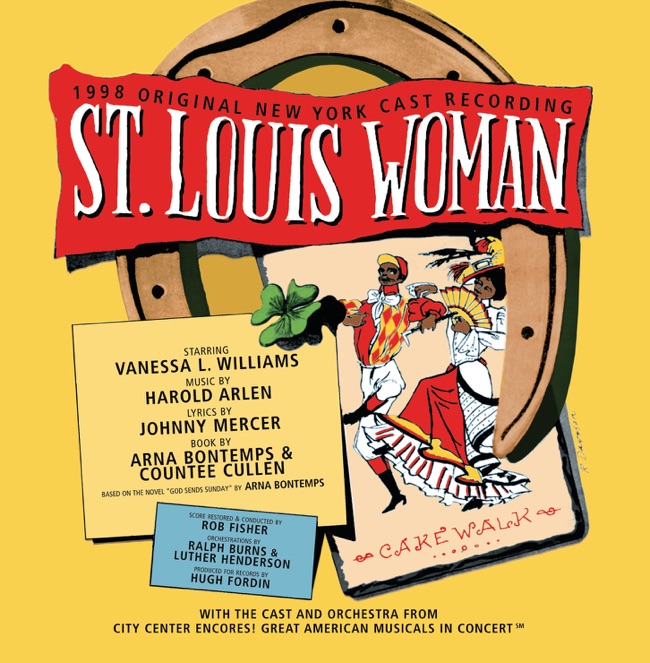 November 10, 1998
Artist Info
Role:Composer ConductorCountry: United States of AmericaBirth:June 29, 1922 in Newton, MADeath:November 21, 2001 in Los Angeles, CAGenre:OrchestralRalph Burns was an American jazz pianist, composer, and arranger who made significant contributions to the world of classical music. He was born on June 29, 1922, in Newton, Massachusetts, and grew up in a musical family. His father was a trumpet player, and his mother was a pianist, which inspired him to pursue a career in music. Burns began playing the piano at a young age and showed a natural talent for music. He attended the New England Conservatory of Music in Boston, where he studied classical music and jazz. He was heavily influenced by the music of Duke Ellington, Count Basie, and Benny Goodman, and he began to incorporate their styles into his own compositions. In the 1940s, Burns moved to New York City and began working as a pianist and arranger for various jazz bands. He quickly gained a reputation as a talented musician and arranger, and he was soon working with some of the biggest names in jazz, including Woody Herman, Charlie Barnet, and Benny Goodman. Burns' first major composition was "Bijou," which he wrote for the Woody Herman Orchestra in 1945. The piece was a huge success and helped establish Burns as a leading composer and arranger in the jazz world. He went on to write many more compositions for Herman's band, including "Early Autumn," which became a jazz standard. In the 1950s, Burns began to work more in the world of classical music. He composed several pieces for symphony orchestras, including "Summer Sequence" and "Winter Sequence," which were both performed by the New York Philharmonic. He also wrote music for ballets, including "The Golden Apple" and "The Four Temperaments." Burns' most famous work in the classical world is his score for the 1956 film "The Man with the Golden Arm." The film, which starred Frank Sinatra, was about a heroin addict trying to get clean. Burns' score was groundbreaking in its use of jazz music in a film score, and it earned him an Academy Award nomination for Best Original Score. In the 1960s, Burns continued to work in both the jazz and classical worlds. He wrote music for several Broadway shows, including "Sweet Charity" and "Chicago." He also continued to work as an arranger for jazz bands, including the Count Basie Orchestra. Burns' later years were marked by health problems, and he suffered a stroke in 1998 that left him partially paralyzed. He continued to compose and arrange music, however, and he remained active in the music world until his death on November 21, 2001. Throughout his career, Ralph Burns made significant contributions to the world of classical music. His innovative use of jazz music in film scores and his groundbreaking compositions for symphony orchestras helped to bridge the gap between jazz and classical music. He was a true pioneer in the world of music, and his legacy continues to inspire musicians and composers today.More....
Copyright Ⓒ 2013 Davinci Finger. All rights reseved
Service Terms & Policy