


Siegfried Matthus
Released Album
Orchestral
-
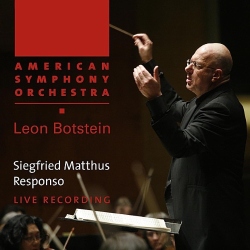
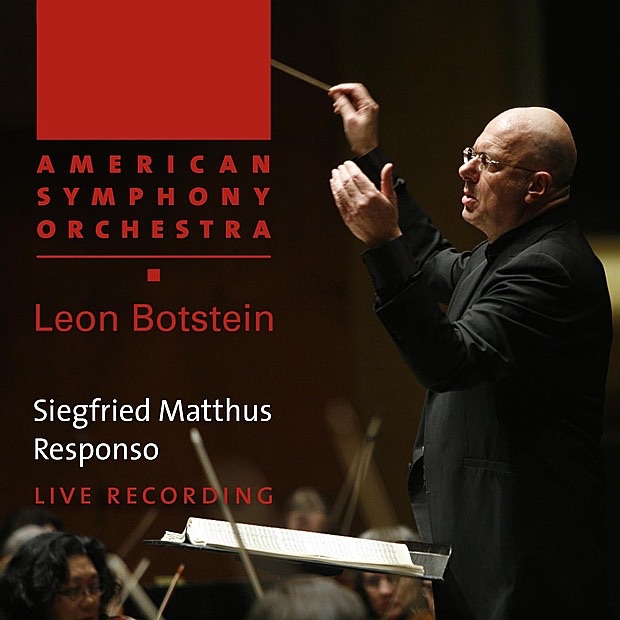 August 18, 2010
 -
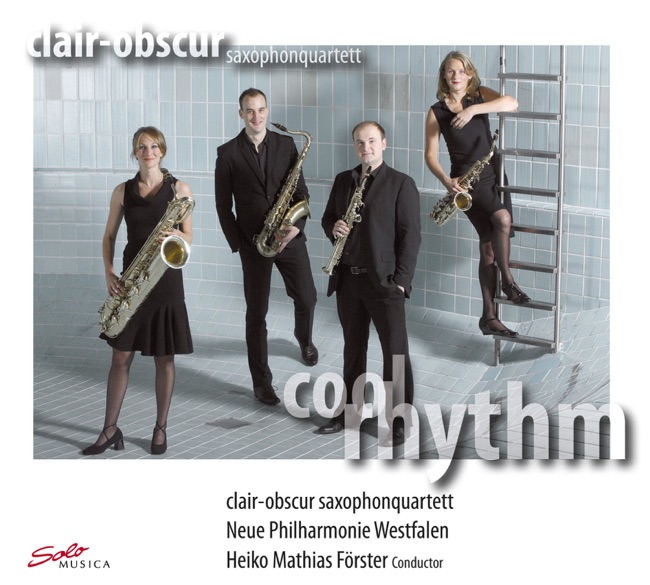 June 8, 2010
 -
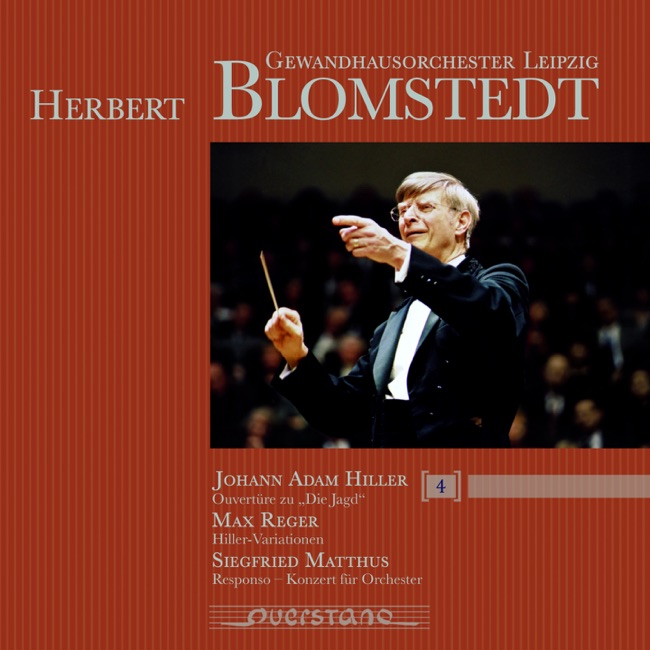
Vocal
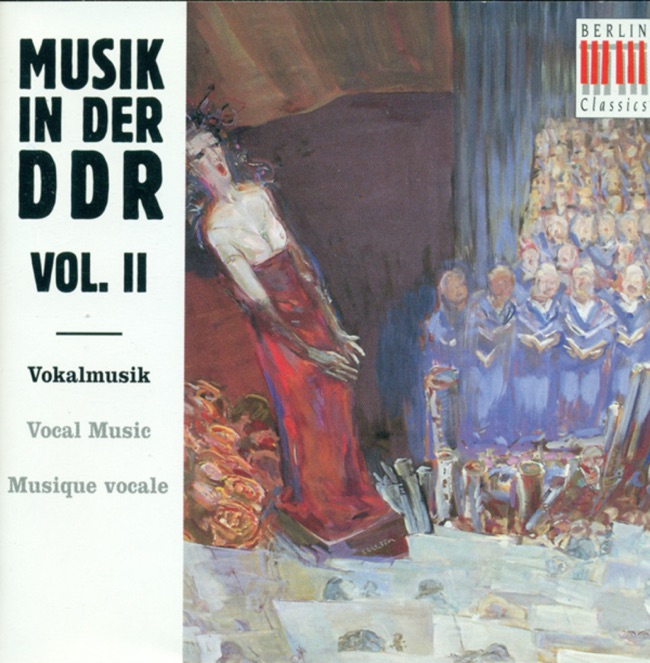
Opera
-
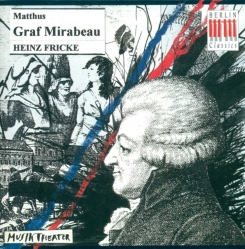
 April 17, 1998
 -
Concerto
-
 January 15, 1995
Artist Info
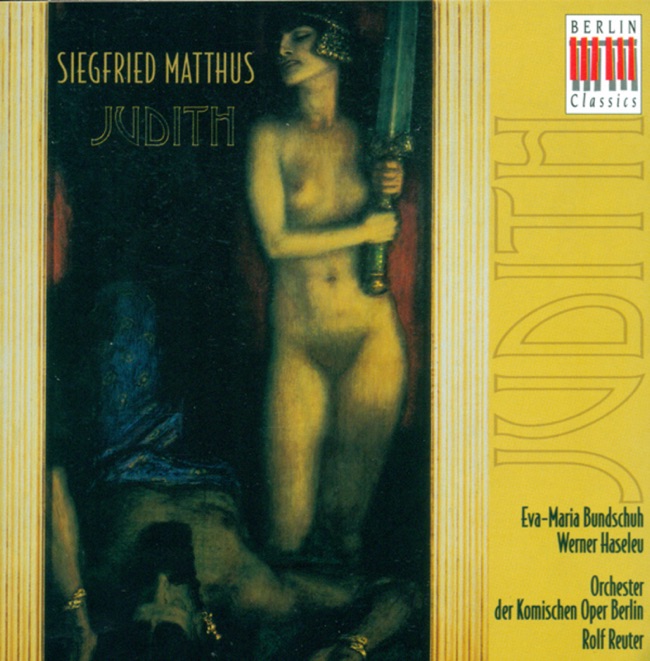
Role:Composer ConductorCountry: GermanyBirth:April 13, 1934 in Mallenuppen, E. PrussiaPeriod:ContemporaryGenre:ChamberConcertoOperaVocalSiegfried Matthus was a German composer who was born on October 13, 1934, in Mallenuppen, East Prussia. He was the son of a Lutheran pastor and grew up in a musical family. His mother was a pianist, and his father played the organ. Matthus began playing the piano at a young age and showed a talent for music early on. Matthus studied music at the Hochschule für Musik in Berlin from 1953 to 1958. He studied composition with Rudolf Wagner-Régeny and conducting with Herbert von Karajan. After completing his studies, Matthus worked as a conductor and composer in various theaters in East Germany. In 1964, Matthus became the music director of the Mecklenburg State Theater in Schwerin. He held this position until 1976 and composed several operas during this time. One of his most famous operas is "Die Weise von Liebe und Tod des Cornets Christoph Rilke," which premiered in 1979. The opera is based on a novella by Rainer Maria Rilke and tells the story of a young soldier who dies in World War I. Matthus's music is characterized by its lyrical melodies and dramatic intensity. He often drew inspiration from literature and history, and his works often deal with themes of love, death, and war. In addition to his operas, Matthus composed orchestral works, chamber music, and vocal music. In 1980, Matthus became a member of the East German Academy of Arts. He was also a member of the Berlin Academy of Arts and the Saxon Academy of Arts and Sciences. In 1990, after the fall of the Berlin Wall, Matthus moved to West Germany and continued to compose music. One of Matthus's most famous works is his Symphony No. 3, which he composed in 1985. The symphony is dedicated to the victims of the Holocaust and is a powerful meditation on the tragedy of the Holocaust. The symphony is divided into three movements, each of which represents a different aspect of the Holocaust. The first movement is a lament for the victims, the second movement is a meditation on the nature of evil, and the third movement is a celebration of life and hope. Matthus's other notable works include his opera "Judith," which premiered in 1985, and his oratorio "Der 9. November," which he composed in 1990. "Judith" is based on the biblical story of Judith and Holofernes and explores themes of power, love, and betrayal. "Der 9. November" is a choral work that commemorates the fall of the Berlin Wall and the reunification of Germany. Matthus continued to compose music until his death on April 19, 2021, at the age of 86. He was a prolific composer who left behind a rich legacy of music. His works are characterized by their emotional intensity and their exploration of complex themes. Matthus was a master of orchestration and was able to create powerful and evocative musical landscapes. He was a true giant of classical music and will be remembered as one of the great composers of the 20th century.More....
Recent Artist Music
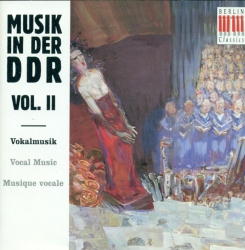
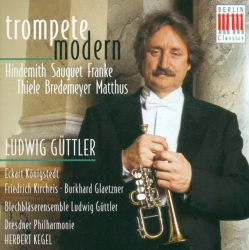
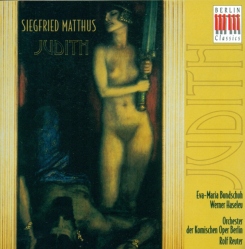
5
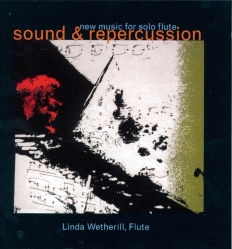
7:53
8
2:28
Copyright Ⓒ 2013 Davinci Finger. All rights reseved
Service Terms & Policy