


Douglas Lilburn
Released Album
Chamber
-
 March 1, 2019
 -
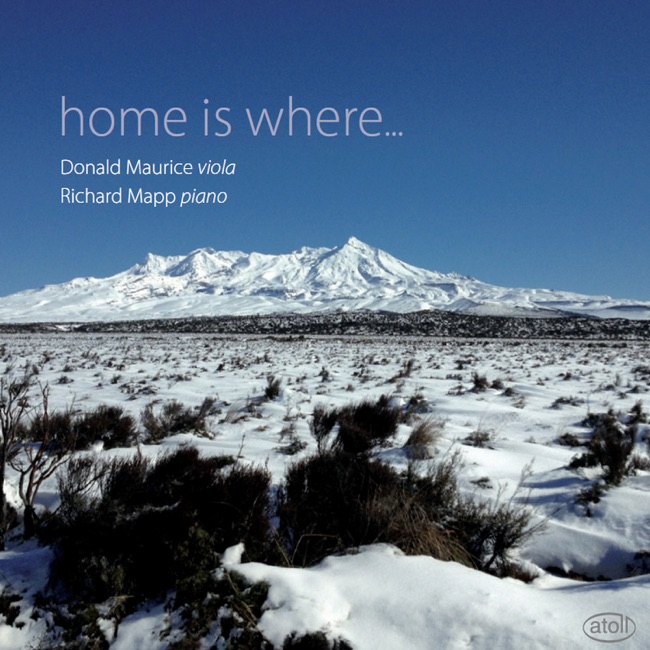 February 10, 2015
 -
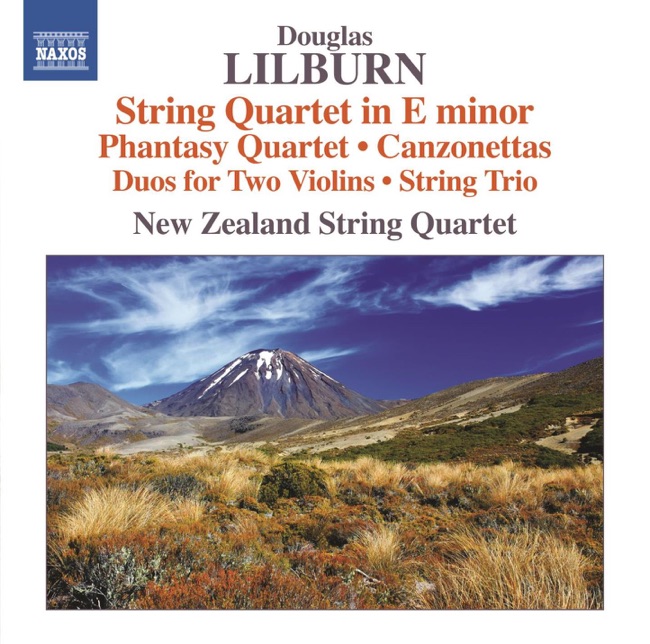 February 10, 2015
 -
 February 1, 2015
 -
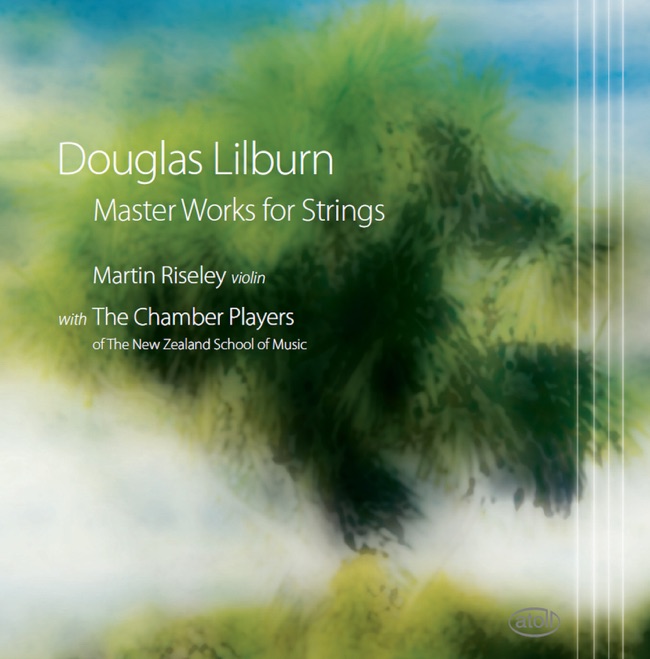 May 18, 2012
 -
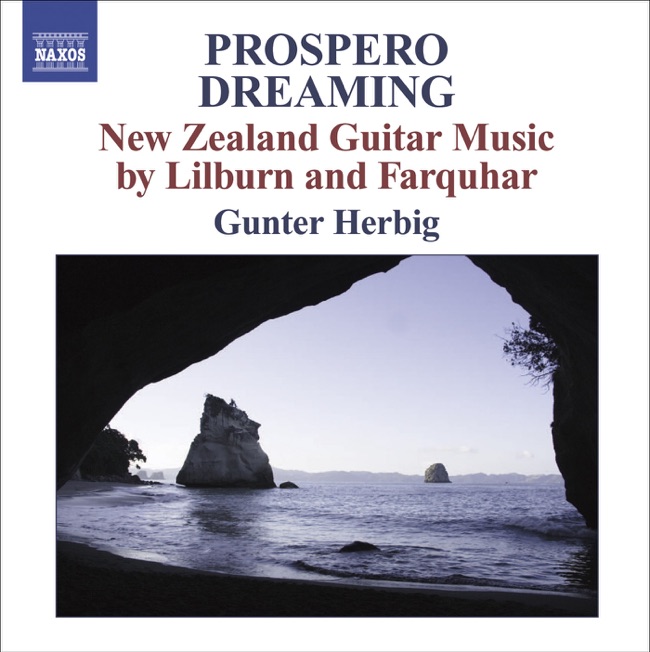
Orchestral
-
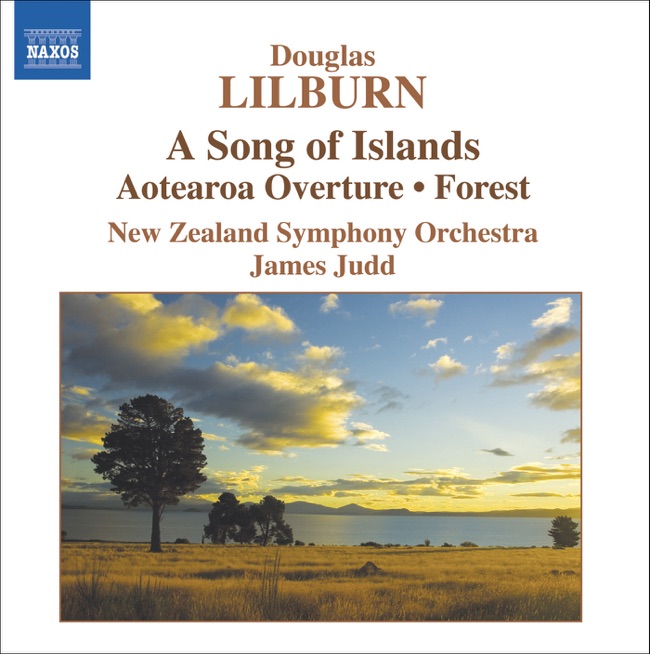 September 26, 2006
 -
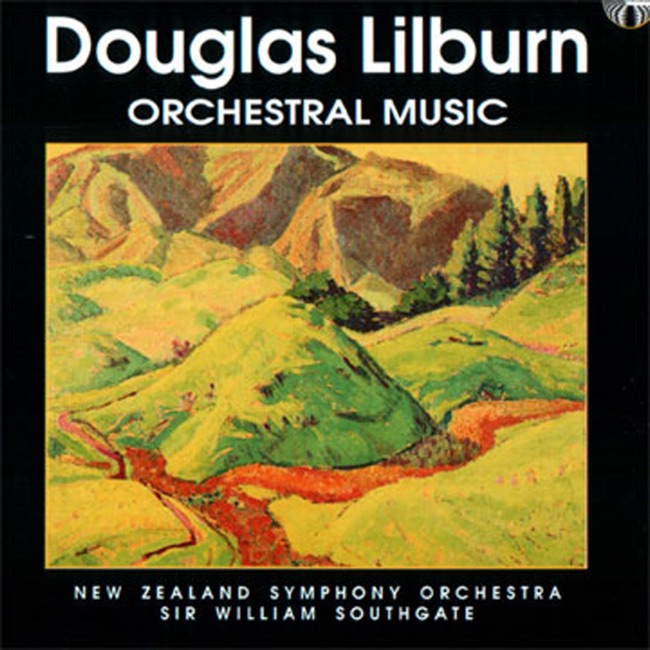
Symphony
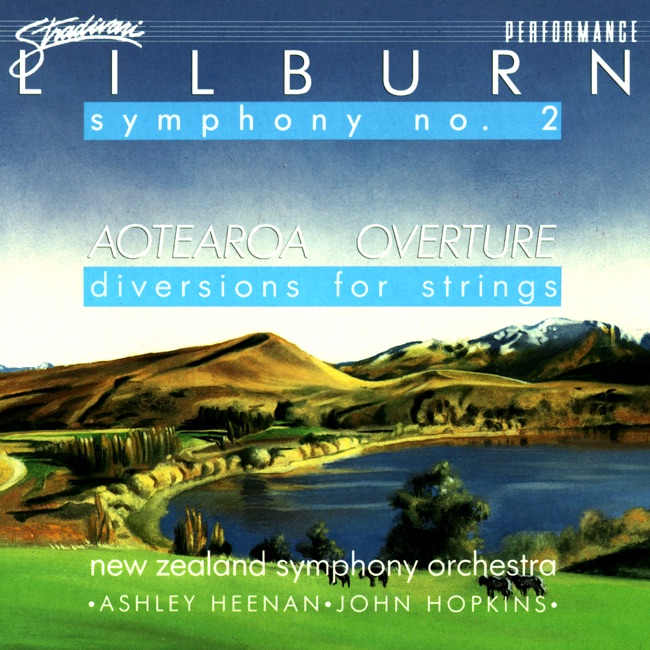

Keyboard
Artist Info
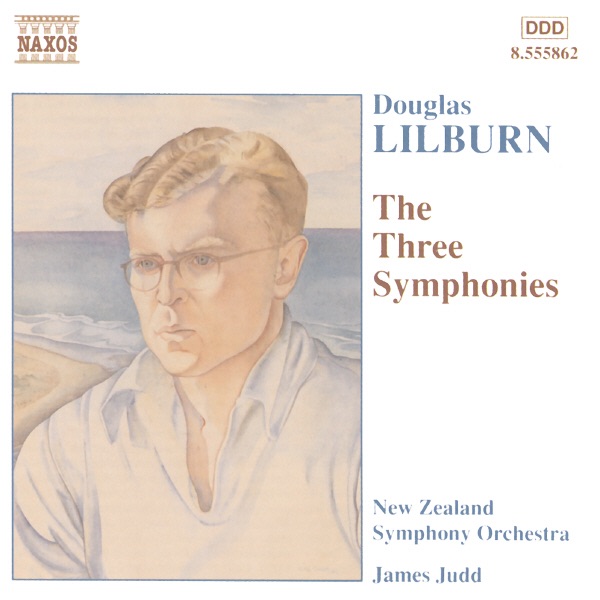
Role:ComposerCountry: New ZealandBirth:1915Death:2001Period:ModernGenre:OrchestralSymphonyDouglas Lilburn was a prominent New Zealand composer who is widely regarded as the father of New Zealand classical music. He was born on November 2, 1915, in Whanganui, New Zealand, and grew up in a musical family. His father was a church organist, and his mother was a pianist. Lilburn showed an early interest in music and began playing the piano at the age of six. Lilburn's musical education began at the age of 14 when he was awarded a scholarship to study at the Wellington Conservatory of Music. He studied piano, composition, and conducting under the guidance of some of New Zealand's leading musicians. In 1936, he won a scholarship to study at the Royal College of Music in London, where he studied composition with Ralph Vaughan Williams and conducting with Adrian Boult. During his time in London, Lilburn was exposed to the music of contemporary composers such as Igor Stravinsky, Bela Bartok, and Arnold Schoenberg. He was particularly drawn to the music of Schoenberg and became interested in the twelve-tone technique, which he would later incorporate into his own compositions. Lilburn returned to New Zealand in 1940 and began teaching at the Wellington Conservatory of Music. He also began composing in earnest, and his early works were heavily influenced by the New Zealand landscape and Maori culture. His first major work, the Overture: Aotearoa, was premiered in 1940 and was well received by audiences and critics alike. In 1946, Lilburn founded the Electronic Music Studio at the University of Auckland, which was the first of its kind in the Southern Hemisphere. He was fascinated by the possibilities of electronic music and used the studio to experiment with new sounds and techniques. His electronic works, such as the Poem in Time of War and the Sounds and Distances trilogy, are considered groundbreaking and have been influential in the development of electronic music in New Zealand. Lilburn's music is characterized by its lyrical melodies, rich harmonies, and evocative use of orchestration. He was particularly interested in the timbral possibilities of different instruments and often used unusual combinations of instruments to create unique soundscapes. His music is also notable for its use of Maori themes and motifs, which he incorporated into many of his works. Some of Lilburn's most famous works include the Symphony No. 1, which was premiered in 1949 and is considered a landmark in New Zealand classical music. The symphony is a tribute to the New Zealand landscape and is characterized by its sweeping melodies and lush orchestration. Lilburn's other notable works include the Suite for Orchestra, the Three Sea Changes, and the String Quartet No. 1. Lilburn was a prolific composer throughout his life and continued to write music until his death in 2001. He was awarded numerous honors and awards for his contributions to New Zealand music, including the Order of New Zealand, the country's highest honor. Today, he is remembered as one of New Zealand's greatest composers and a pioneer in the development of electronic music.More....
Recent Artist Music


Copyright Ⓒ 2013 Davinci Finger. All rights reseved
Service Terms & Policy