


Georg Schneevoigt
Released Album
Symphony
-
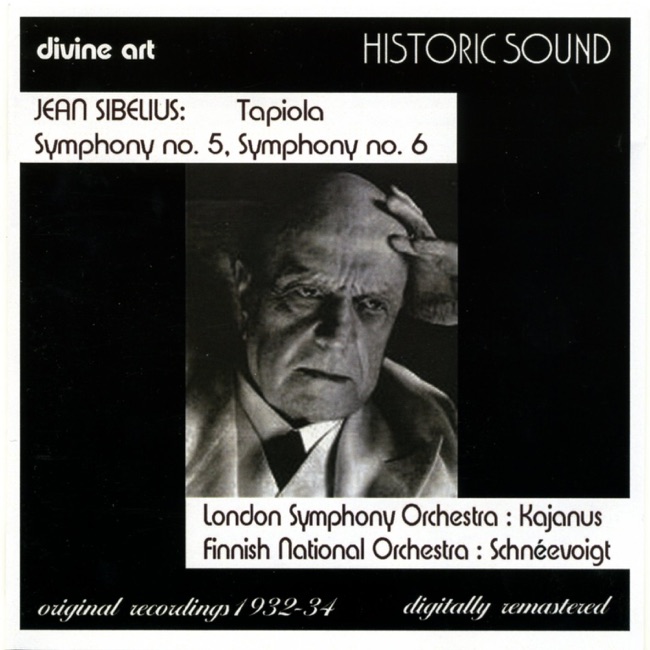 July 26, 2005
Orchestral
-
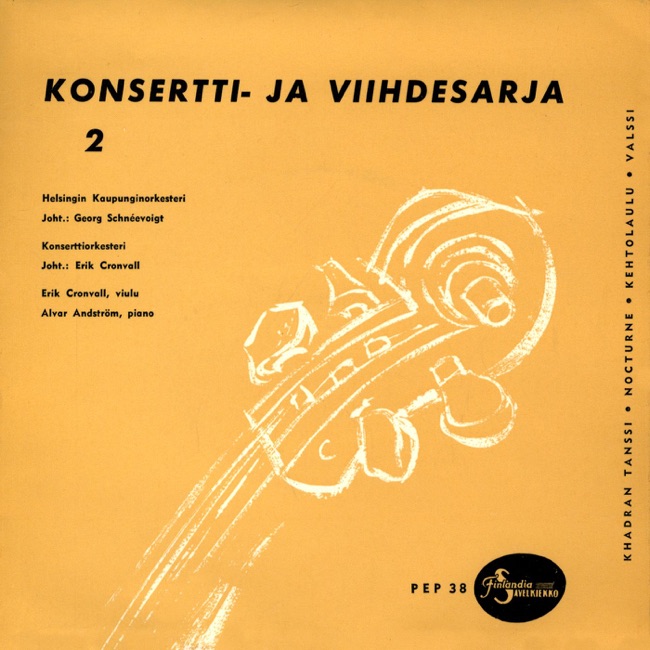 January 1, 1959
Concerto
-
 May 1, 2001
Artist Info
Role:ConductorBirth:November 8, 1872 in Vyborg, Grand Duchy of FinlandDeath:November 28, 1947 in Malmö, SwedenGenre:ChamberConcertoOrchestralVocalGeorg Schneevoigt was a Finnish conductor and violinist who was born on June 29, 1872, in Helsinki, Finland. He was the son of a music teacher and began his musical education at a young age. Schneevoigt showed great promise as a musician and was soon recognized as a prodigy. Schneevoigt's musical education began at the Helsinki Music Institute, where he studied violin with Karl Ekman. He later continued his studies in Berlin with Joseph Joachim, one of the most renowned violinists of the time. Schneevoigt's talent as a violinist was quickly recognized, and he began performing in concerts throughout Europe. In 1895, Schneevoigt was appointed as the concertmaster of the Helsinki Philharmonic Orchestra. He held this position for several years before being appointed as the conductor of the orchestra in 1900. Schneevoigt's tenure as the conductor of the Helsinki Philharmonic Orchestra was marked by several notable performances, including the Finnish premiere of Richard Wagner's opera "Tristan und Isolde" in 1902. In 1907, Schneevoigt was appointed as the conductor of the Stockholm Royal Opera. He held this position for several years before being appointed as the conductor of the Berlin State Opera in 1913. Schneevoigt's tenure as the conductor of the Berlin State Opera was marked by several notable performances, including the premiere of Richard Strauss's opera "Die Frau ohne Schatten" in 1919. Schneevoigt's career as a conductor continued to flourish throughout the 1920s and 1930s. He conducted several notable performances, including the premiere of Jean Sibelius's Symphony No. 7 in 1924. Schneevoigt was also a prolific recording artist, and his recordings of Sibelius's music are still considered some of the best ever made. In addition to his work as a conductor, Schneevoigt was also a respected violinist. He continued to perform in concerts throughout his career, and his recordings of violin concertos by Sibelius and other composers are still highly regarded. Schneevoigt's career was not without controversy, however. He was a supporter of the Nazi party in Germany and was appointed as the conductor of the Berlin State Opera by the Nazi government in 1933. Schneevoigt's association with the Nazi party has led to criticism of his legacy, and his recordings and performances have been boycotted by some. Despite the controversy surrounding his association with the Nazi party, Schneevoigt's contributions to classical music are still recognized and celebrated. He was a talented conductor and violinist who helped to bring the music of Jean Sibelius and other composers to a wider audience. Schneevoigt died on September 14, 1947, in Helsinki, Finland, at the age of 75.More....



Copyright Ⓒ 2013 Davinci Finger. All rights reseved
Service Terms & Policy