


Theo Wegmann
Released Album
Chamber
-
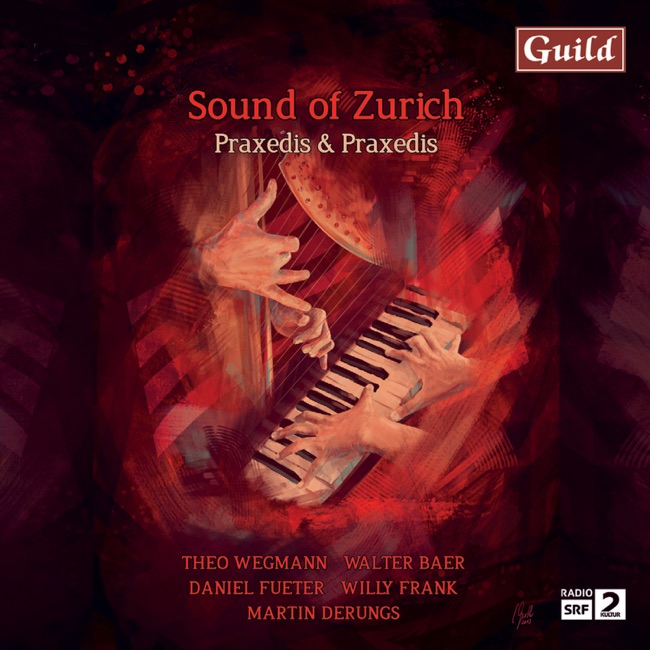 July 15, 2015
 -
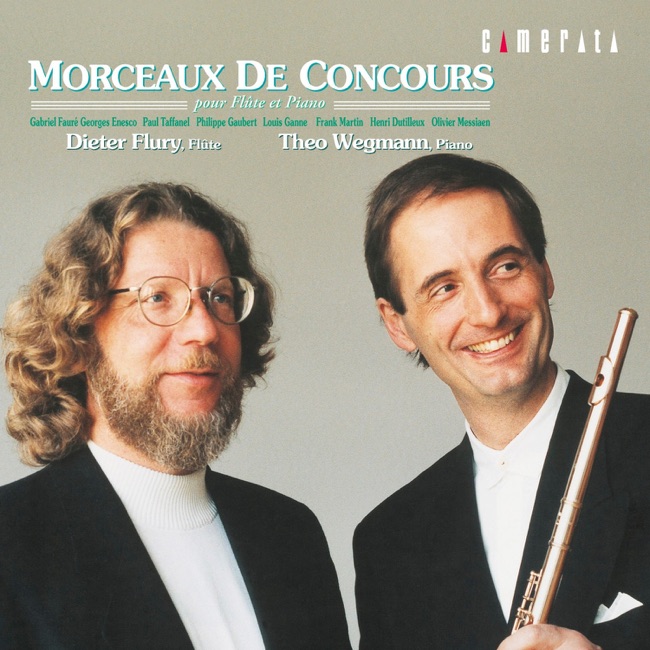 February 9, 1999
 -
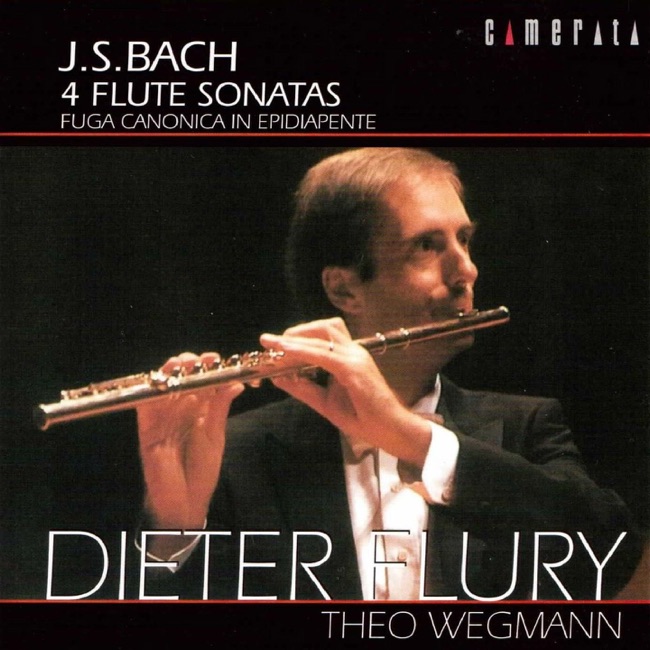
 February 18, 1997
 -
Artist Info
Role:ComposerPeriod:RomanticContemporaryModernGenre:ChamberTheo Wegmann was a Swiss composer who lived from 1883 to 1943. He was born in the town of Aarau, Switzerland, and showed an early interest in music. His parents were both amateur musicians, and they encouraged him to pursue his passion for music. Wegmann began his formal musical education at the age of 10, when he started taking piano lessons. He quickly showed a talent for the instrument, and by the age of 14, he was already composing his own music. He continued his studies at the Zurich Conservatory, where he studied composition with the renowned composer Volkmar Andreae. After completing his studies, Wegmann began his career as a composer and pianist. He quickly gained a reputation as a talented musician, and his works were performed by some of the leading orchestras and ensembles of the time. He also became a sought-after piano teacher, and many of his students went on to have successful careers in music. Wegmann's music was heavily influenced by the Romantic tradition, and he was particularly drawn to the works of composers such as Brahms and Schumann. His compositions were characterized by their lyrical melodies, rich harmonies, and intricate counterpoint. He was also known for his use of folk melodies and rhythms, which he incorporated into many of his works. One of Wegmann's most famous works is his Piano Concerto in A minor, which he composed in 1912. The concerto is a virtuosic showcase for the piano, and it has become a staple of the piano repertoire. It is notable for its sweeping melodies, lush harmonies, and intricate piano writing. Another notable work by Wegmann is his Symphony No. 1, which he composed in 1920. The symphony is a grand and ambitious work, with a sweeping scope and a rich orchestration. It is notable for its use of folk melodies and rhythms, which give the work a distinctly Swiss flavor. Wegmann also composed a number of chamber works, including string quartets, piano trios, and sonatas. These works are characterized by their intimate and expressive nature, and they showcase Wegmann's skill as a composer of chamber music. Despite his success as a composer and pianist, Wegmann's life was not without its challenges. He suffered from poor health throughout his life, and he struggled with depression and anxiety. He also faced financial difficulties, and he was forced to take on a number of teaching jobs to make ends meet. Despite these challenges, Wegmann remained dedicated to his music, and he continued to compose and perform throughout his life. He died in 1943 at the age of 60, leaving behind a legacy of beautiful and expressive music. Today, Wegmann is remembered as one of Switzerland's most important composers. His music continues to be performed and recorded by musicians around the world, and his contributions to the classical music tradition are celebrated by music lovers everywhere.More....
Recent Artist Music

4
5:
Copyright Ⓒ 2013 Davinci Finger. All rights reseved
Service Terms & Policy