


Luis Gianneo
Released Album
Keyboard
-
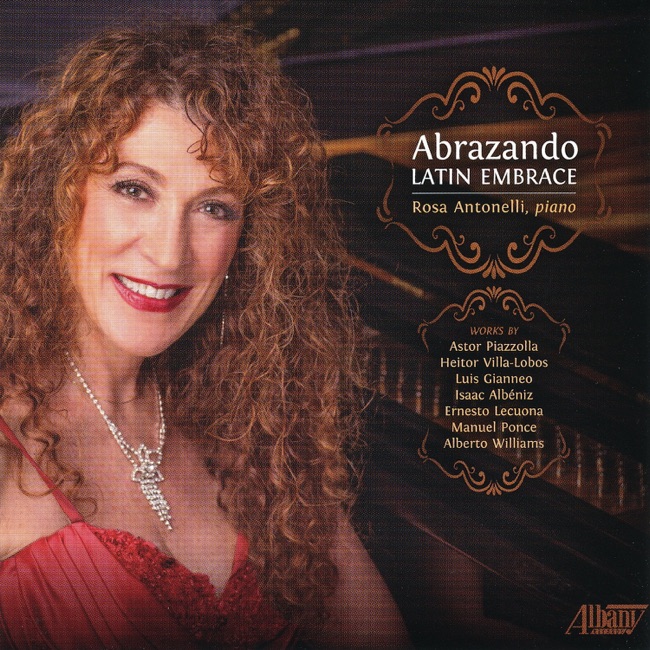 June 2, 2015
 -
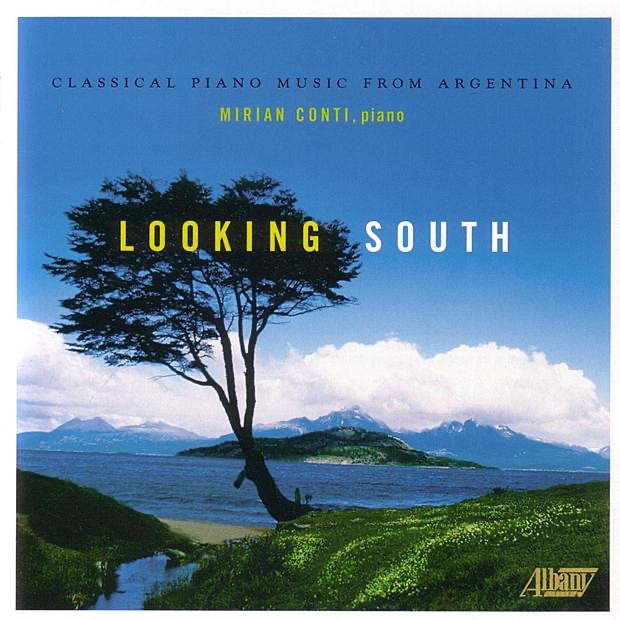 May 30, 2006
 -
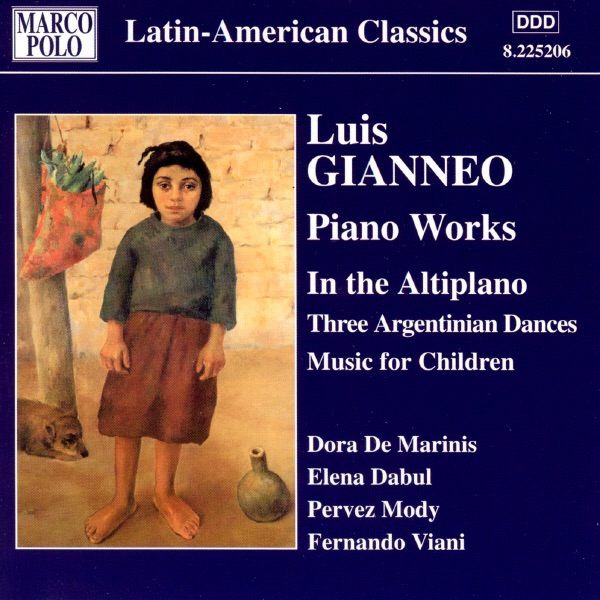 March 4, 2002
Orchestral
-
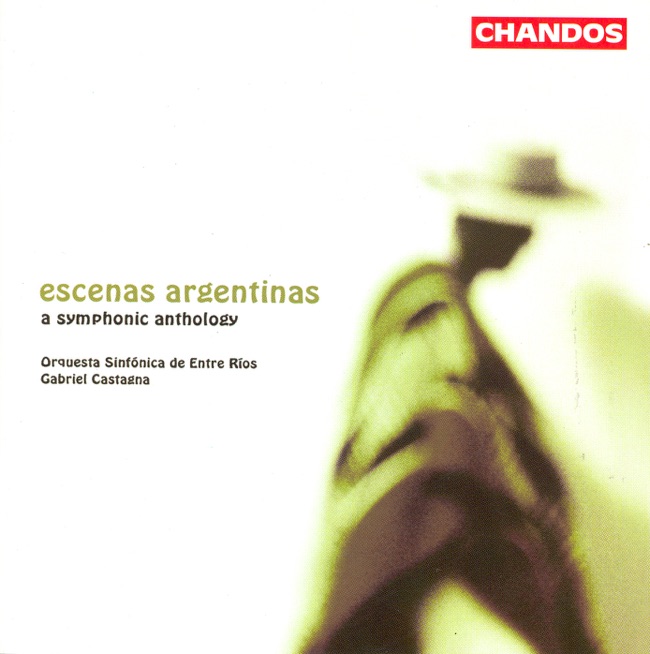 July 27, 2004
Artist Info
Role:ComposerBirth:1897Death:1968Period:ModernGenre:ChamberKeyboardLuis Gianneo was a prominent Argentine composer and conductor who made significant contributions to the classical music scene in his country. Born on August 20, 1897, in Buenos Aires, Gianneo grew up in a family of musicians. His father, Luis Gianneo Sr., was a renowned violinist and conductor, and his mother, Maria Luisa, was a pianist. Gianneo's parents recognized his musical talent at an early age and encouraged him to pursue a career in music. Gianneo began his formal music education at the National Conservatory of Music in Buenos Aires, where he studied composition with Alberto Williams and conducting with Carlos López Buchardo. He also received private lessons in piano and violin from his parents. Gianneo's talent as a composer was evident from an early age, and he won several awards and scholarships for his compositions. In 1921, Gianneo traveled to Europe to further his musical education. He studied composition with Vincent d'Indy in Paris and conducting with Felix Weingartner in Vienna. Gianneo's time in Europe was a formative period in his career, and he was exposed to the works of many great composers, including Debussy, Ravel, and Stravinsky. Upon his return to Argentina in 1924, Gianneo became a professor of composition at the National Conservatory of Music. He also began conducting the Buenos Aires Philharmonic Orchestra, a position he held for over 20 years. Gianneo's tenure as conductor of the orchestra was marked by his commitment to promoting the works of Argentine composers and his dedication to the development of young musicians. Gianneo's compositions are characterized by their use of Argentine folk music and rhythms. He was deeply influenced by the music of his country and sought to incorporate its unique sounds and flavors into his works. Gianneo's most famous composition is his ballet suite "Pampeana," which was inspired by the vast plains of Argentina. The suite is divided into four movements, each of which depicts a different aspect of life on the pampas. Another notable work by Gianneo is his "Concerto for Piano and Orchestra," which was premiered in 1945. The concerto is a virtuosic showcase for the soloist, with intricate piano passages and lush orchestration. Gianneo's use of Argentine rhythms and melodies is evident throughout the work, giving it a distinctively national flavor. Gianneo's other notable works include his "Symphony No. 1," which was premiered in 1937, and his "Concerto for Violin and Orchestra," which was premiered in 1950. Both works showcase Gianneo's skill as a composer and his ability to blend traditional European forms with Argentine folk music. In addition to his work as a composer and conductor, Gianneo was also a respected music educator. He taught at the National Conservatory of Music for over 30 years and was a mentor to many young musicians. Gianneo's dedication to music education was recognized in 1960 when he was awarded the Konex Award for Music Education. Gianneo continued to compose and conduct until his death in 1968. His legacy as a composer and educator lives on in the many musicians he inspired and the works he created. Gianneo's contributions to the classical music scene in Argentina were significant, and his use of Argentine folk music and rhythms helped to establish a unique national style of classical music.More....
Copyright Ⓒ 2013 Davinci Finger. All rights reseved
Service Terms & Policy