


Sven Einar Englund
Released Album
Concerto
-
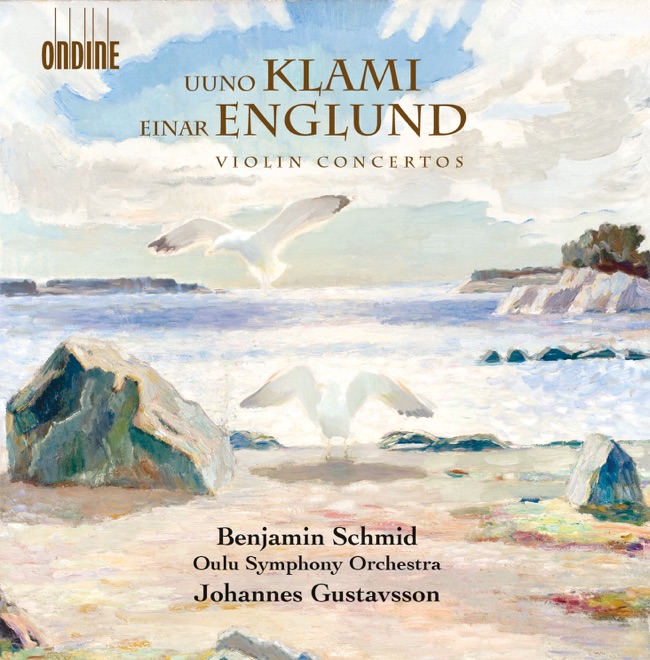 October 14, 2016
 -
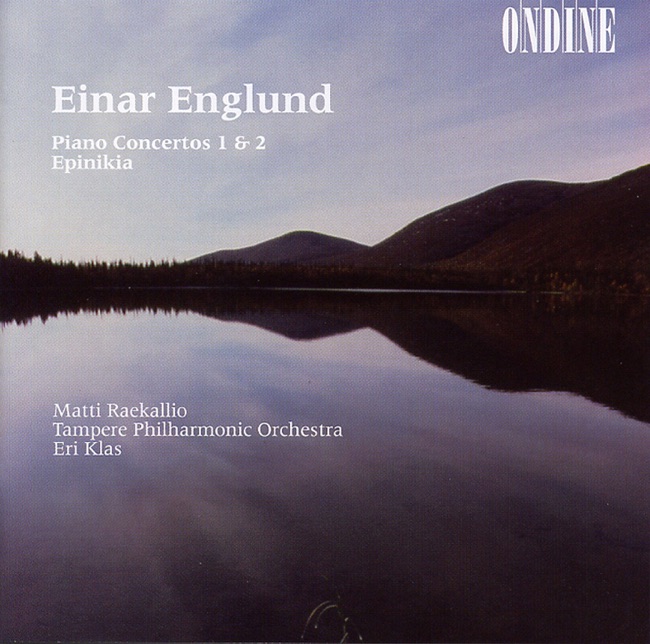 August 4, 2003
 -
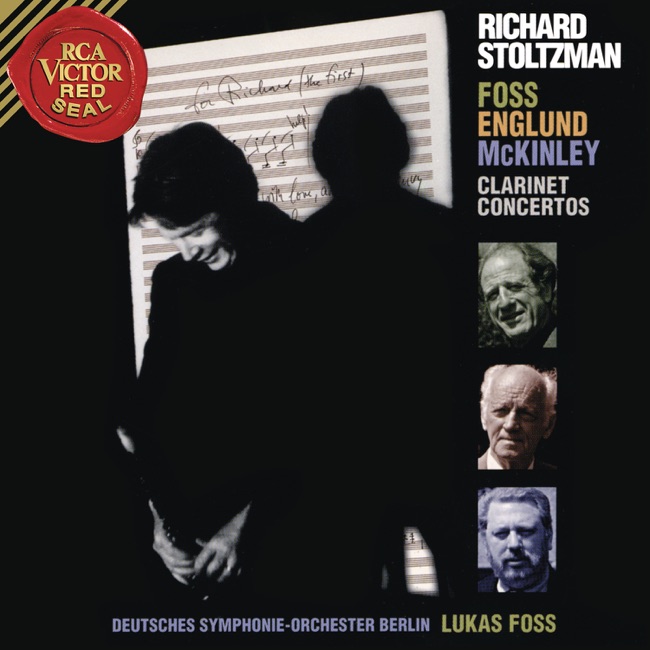
Symphony
-
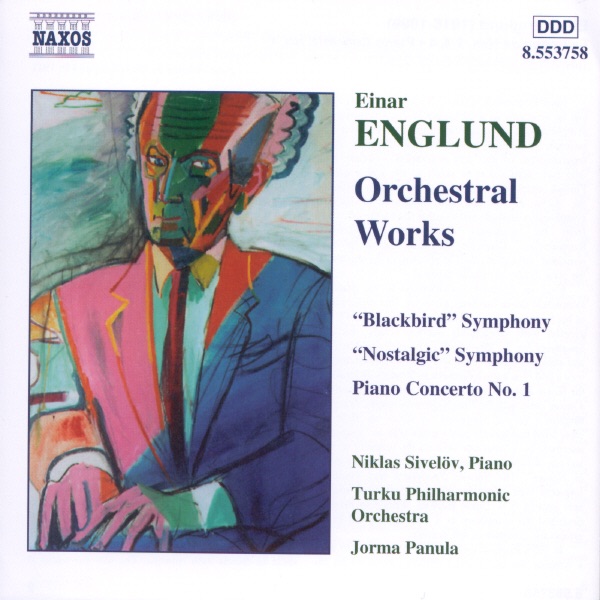 October 4, 1999
 -
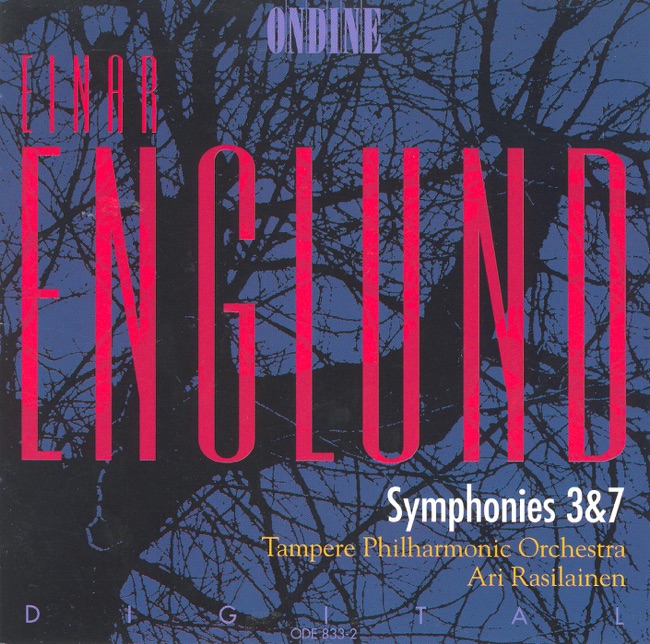 April, 1995
 -
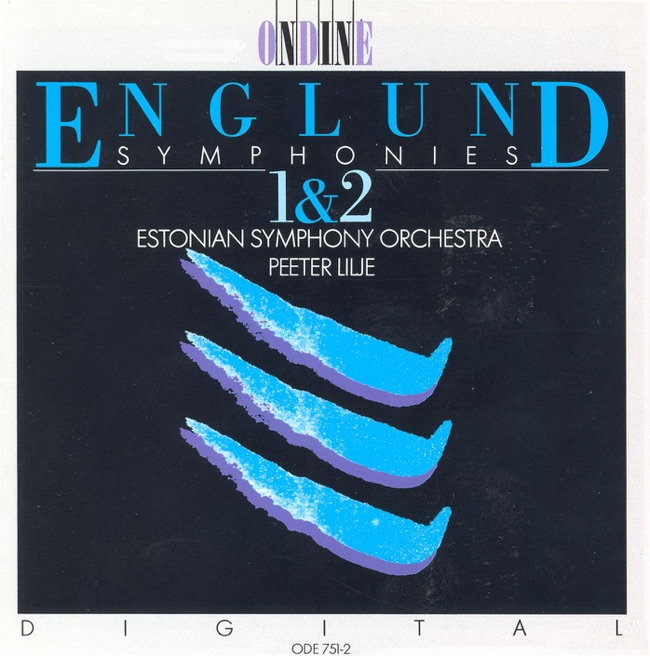 February 1, 1991
Chamber
-
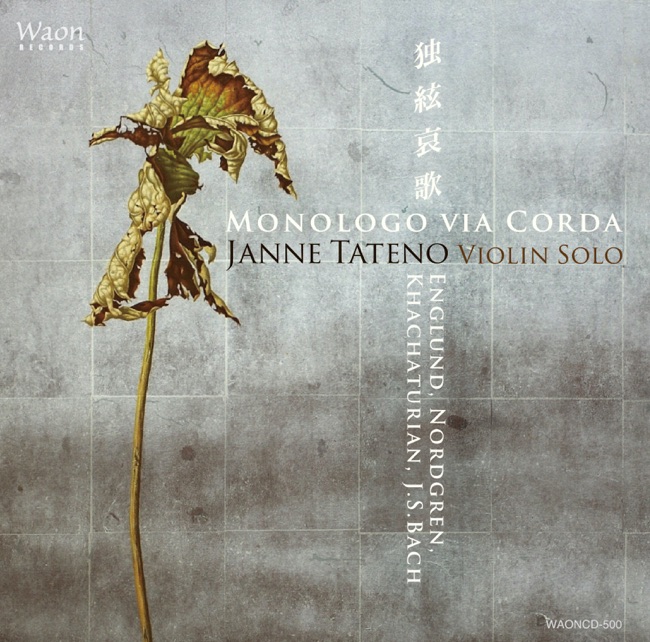 December 4, 2021
 -
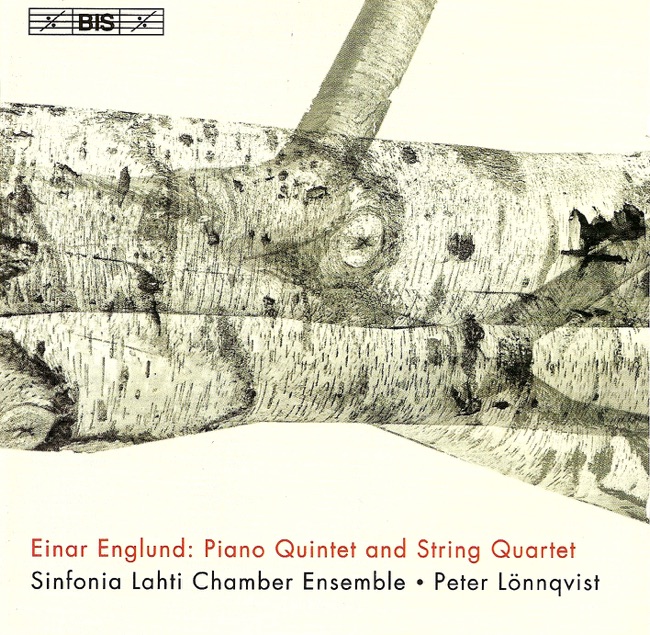 June 28, 2005
Orchestral
-
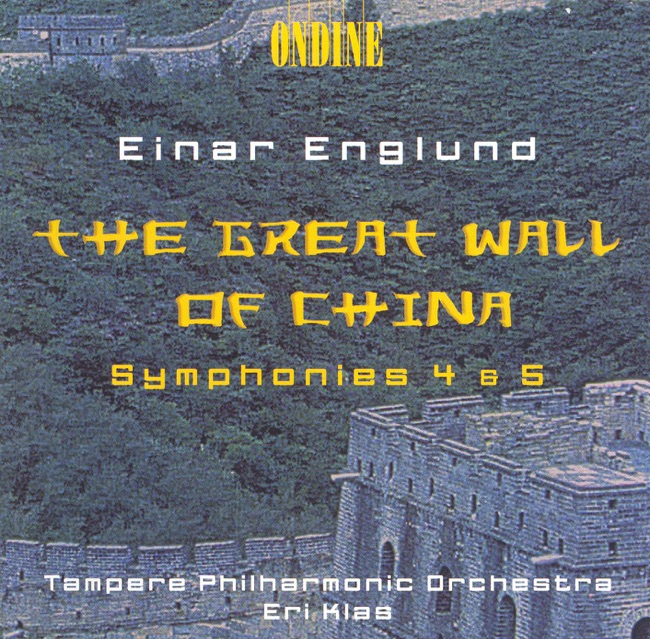 January 1, 2001
Artist Info
Role:ComposerCountry: FinlandBirth:June 17, 1916 in Gotland, SwedenDeath:June 27, 1999 in Visby, SwedenPeriod:ModernGenre:ConcertoKeyboardSymphonySven Einar Englund was a Finnish composer born on June 17, 1916, in Ljugarn, Gotland, Sweden. His parents were Finnish, and they moved back to Finland when he was still a child. Englund grew up in Helsinki, where he received his early musical education. He studied at the Sibelius Academy in Helsinki, where he was a student of Aarre Merikanto, one of the most prominent Finnish composers of the time. Englund's early works were influenced by the neoclassical style, which was popular in the 1930s. However, he soon developed his own unique style, which was characterized by a blend of modernist and traditional elements. Englund's music was often described as being "powerful" and "dramatic," with a strong sense of rhythm and harmony. Englund's first major work was his Symphony No. 1, which he composed in 1946. The symphony was well-received and established Englund as one of the leading Finnish composers of his generation. He went on to compose several other symphonies, including Symphony No. 2 (1952), Symphony No. 3 (1963), and Symphony No. 4 (1974). In addition to his symphonies, Englund composed several other orchestral works, including the Suite for Strings (1948), the Concerto for Orchestra (1953), and the Concerto for Clarinet and Orchestra (1971). He also wrote several chamber music works, including the String Quartet No. 1 (1957) and the Sonata for Violin and Piano (1965). Englund's music was not only popular in Finland but also gained international recognition. His Symphony No. 1 was performed in London in 1950, and his Symphony No. 2 was premiered in New York in 1953. Englund's music was also performed in other European countries, including Germany, France, and Sweden. Englund was not only a composer but also a conductor. He served as the principal conductor of the Finnish Radio Symphony Orchestra from 1957 to 1960 and the Turku Philharmonic Orchestra from 1960 to 1965. He also conducted several other orchestras in Finland and abroad. Englund's later works were more experimental and avant-garde, reflecting the changing musical landscape of the 1960s and 1970s. His Symphony No. 4, for example, features electronic sounds and unconventional instrumentation. Englund's music was always evolving, and he continued to experiment with new sounds and techniques throughout his career. Englund received several awards and honors for his contributions to Finnish music. He was awarded the Pro Finlandia Medal in 1963 and the State Prize for Music in 1970. He was also a member of the Finnish Academy of Arts and Letters. Englund died on June 27, 1999, in Helsinki, at the age of 83. He left behind a legacy of powerful and innovative music that continues to be performed and appreciated by audiences around the world.More....
Recent Artist Music

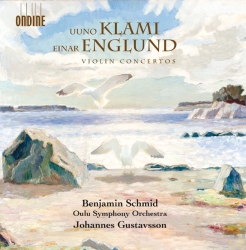
11
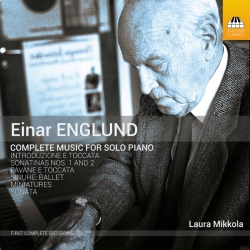
2:59
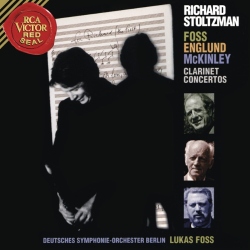
15
1:29

Copyright Ⓒ 2013 Davinci Finger. All rights reseved
Service Terms & Policy