


Carlo Broschi (Farinelli)
Released Album
Vocal
-
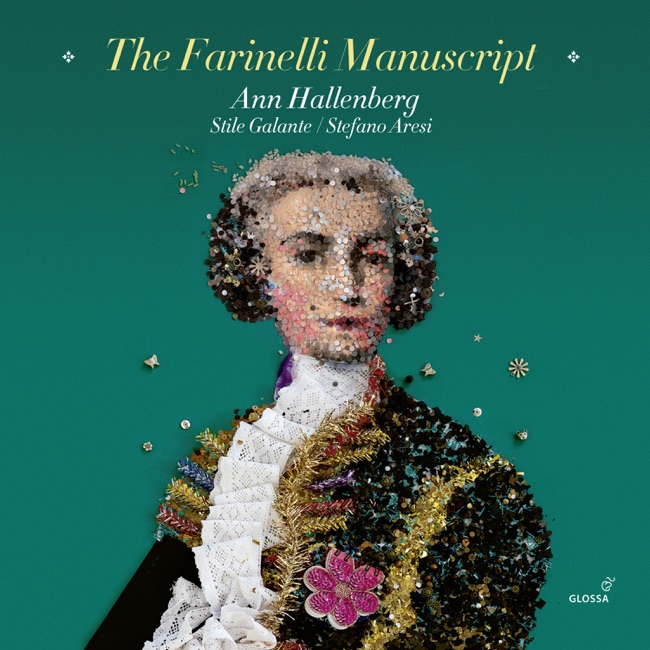 September 6, 2019
Miscellaneous
-
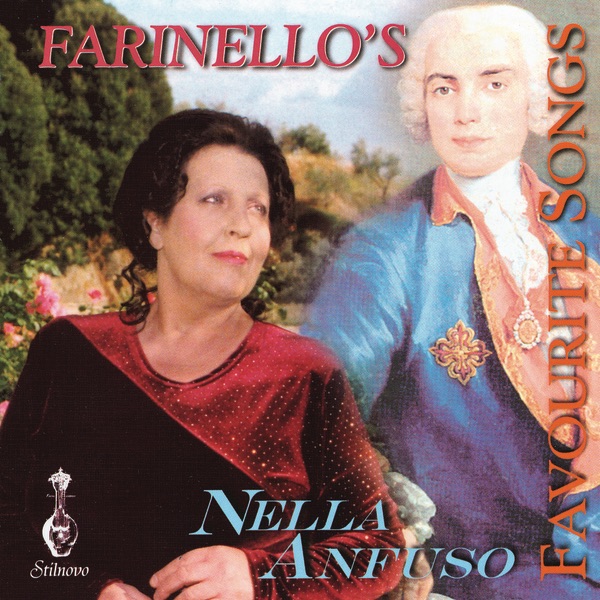 January 18, 2005
Artist Info
Role:ComposerCountry: ItalyBirth:January 24, 1705 in AndriaDeath:July 15, 1782 in Bologna, ItalyGenre:VocalCarlo Broschi, better known by his stage name Farinelli, was a celebrated Italian castrato singer and composer of the Baroque era. He was born on January 24, 1705, in Andria, a small town in the southern Italian region of Apulia. His father, Salvatore Broschi, was a composer and musician who recognized his son's musical talent at an early age and began training him in singing and playing various instruments. Farinelli's vocal abilities were exceptional, and he quickly gained a reputation as a prodigy. At the age of ten, he made his debut as a singer in Naples, where he was hailed as a sensation. He continued to perform in various cities throughout Italy, and by the time he was in his early twenties, he had become one of the most famous and sought-after singers in Europe. In 1724, Farinelli was invited to perform in London, where he quickly became a favorite of the royal court and the public. He sang in numerous operas and concerts, and his performances were praised for their beauty, power, and emotional depth. He also composed several works, including arias, cantatas, and instrumental pieces, which were well-received by audiences and critics alike. Farinelli's success in London led to invitations to perform in other European cities, including Madrid, Vienna, and Paris. In 1737, he was appointed as the court singer of King Philip V of Spain, a position he held for the rest of his life. He continued to perform and compose music, and he also became a respected teacher of singing, training several notable students. Farinelli's vocal range was extraordinary, spanning three octaves and including a high C that was said to be so pure and powerful that it could shatter glass. His voice was also noted for its agility, clarity, and expressiveness, and he was able to convey a wide range of emotions through his singing. He was particularly renowned for his performances of Handel's music, and he was said to have inspired the composer to write some of his most beautiful arias. Farinelli's compositions were influenced by the music of his time, which was characterized by ornate melodies, elaborate harmonies, and virtuosic instrumental and vocal techniques. His works were also marked by a sense of drama and emotion, reflecting his own experiences as a performer and his deep understanding of the human voice. Some of Farinelli's most famous compositions include the arias "Lascia ch'io pianga" from Handel's opera Rinaldo, "Son qual nave ch'agitata" from Vinci's opera Artaserse, and "Alto Giove" from Porpora's opera Polifemo. He also composed several cantatas, including "Il pianto di Maria" and "La costanza in amor vince ogni cosa," which were popular during his lifetime. Farinelli's legacy as a composer and singer has endured to this day. His music continues to be performed and recorded by musicians around the world, and his influence can be heard in the works of many later composers. He is also remembered for his contributions to the development of singing technique and his advocacy for the use of the head voice, which has become a standard technique in classical singing. Farinelli died on July 16, 1782, in Bologna, Italy, at the age of 77. He was buried in the church of Santa Maria degli Angeli, where a monument was erected in his honor. His life and music have been the subject of numerous books, films, and other works of art, and he remains one of the most celebrated and beloved figures in the history of classical music.More....

Copyright Ⓒ 2013 Davinci Finger. All rights reseved
Service Terms & Policy