


James Dillon
Released Album
Chamber
-
 November 15, 2019
 -
 March 24, 2017
 -
 February 12, 2016
 -
 February 3, 2014
 -
 December 12, 2011
 -
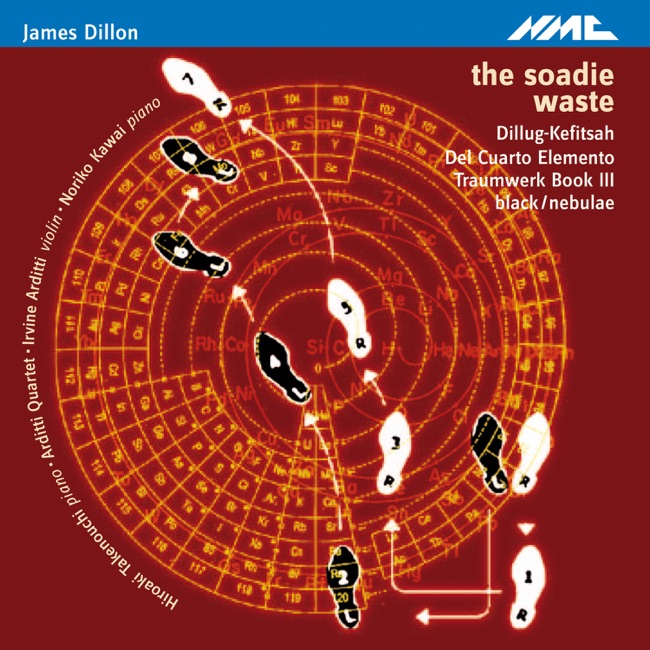 March 3, 2008
Keyboard
-
 March 31, 2014
 -
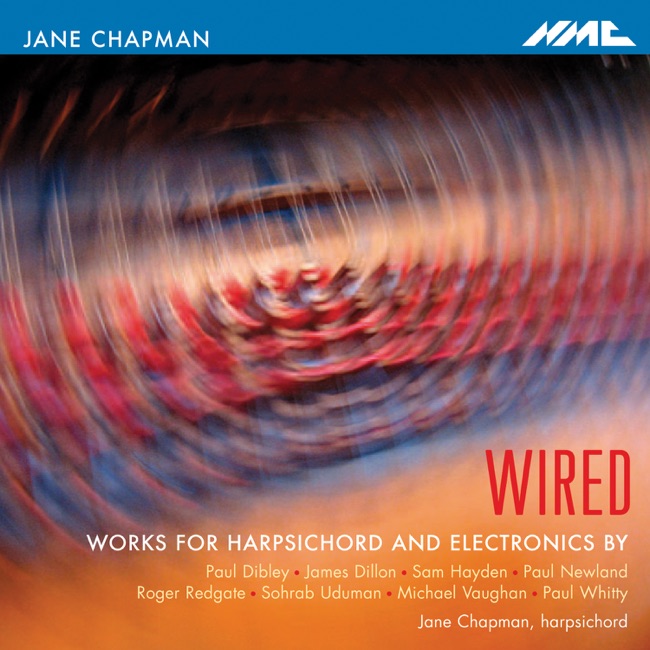 April 1, 2012
 -
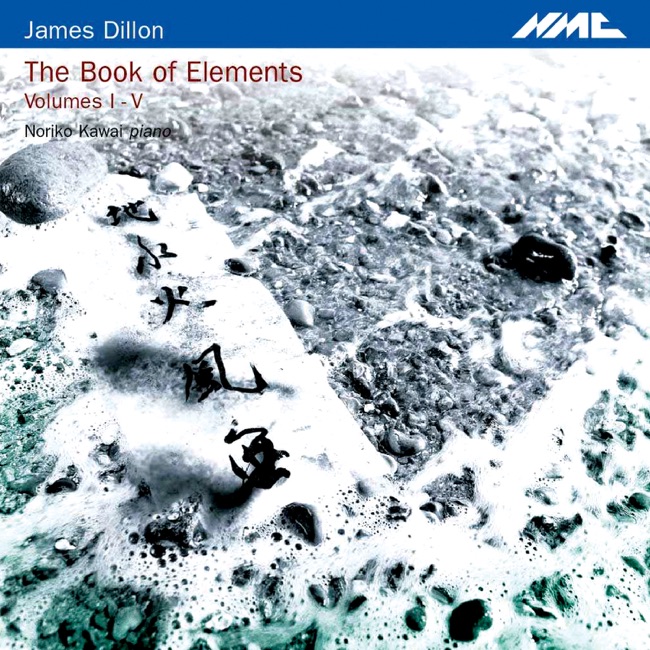 May 1, 2004
Orchestral
-
 January 1, 2014
 -
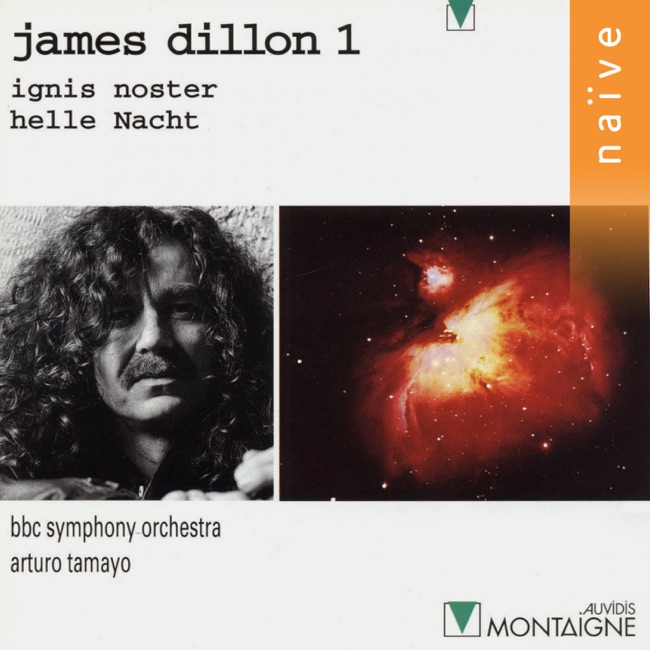 September 12, 2000
Miscellaneous
-
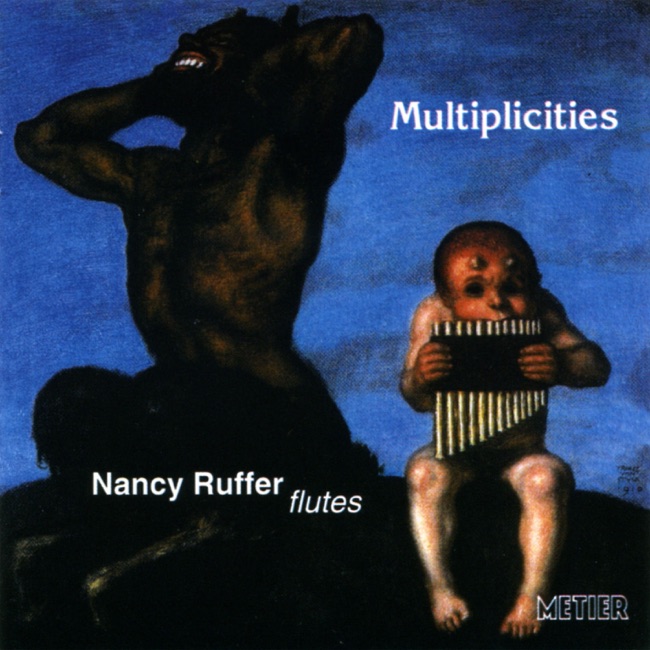 December 30, 2003
 -
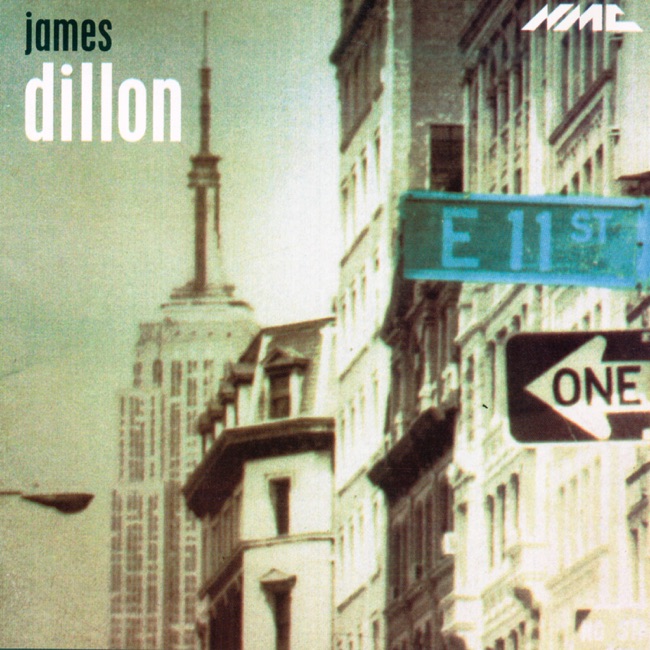 September 15, 2000
Artist Info
Role:ComposerCountry: United KingdomBirth:1950 in Glasgow, ScotlandPeriod:ContemporaryGenre:ChamberOrchestralJames Dillon is a Scottish composer who was born on October 29, 1950, in Glasgow, Scotland. He grew up in a working-class family and was the youngest of six children. Dillon's father was a coal miner, and his mother was a homemaker. Despite their modest means, Dillon's parents encouraged his interest in music from an early age. Dillon began his musical education at the age of six when he started taking piano lessons. He later studied the violin and the trumpet before settling on the cello as his primary instrument. Dillon attended the Royal Scottish Academy of Music and Drama in Glasgow, where he studied composition with John Maxwell Geddes. He later continued his studies at the University of Glasgow, where he earned a Bachelor of Music degree in 1974. After completing his studies, Dillon moved to London, where he became involved in the avant-garde music scene. He worked with the Scratch Orchestra, a collective of experimental musicians, and became associated with the New Music Group, a group of composers who were exploring new forms of musical expression. Dillon's early works were characterized by their complexity and dissonance, and he quickly gained a reputation as one of the leading figures in the British avant-garde. Dillon's breakthrough work was his 1982 piece "East 11th St. NY 10003," which was commissioned by the London Sinfonietta. The piece was inspired by the sounds and rhythms of New York City, and it featured a complex, multi-layered score that incorporated elements of jazz, rock, and classical music. The piece was a critical and commercial success, and it established Dillon as one of the most innovative and exciting composers of his generation. Over the next few years, Dillon continued to produce a series of groundbreaking works that pushed the boundaries of contemporary classical music. His 1984 piece "Traumwerk" was a sprawling, hour-long work that incorporated elements of Indian classical music and featured a complex, multi-layered score that required a large ensemble of musicians. The piece was hailed as a masterpiece and cemented Dillon's reputation as one of the most important composers of his time. In the years that followed, Dillon continued to produce a series of ambitious and challenging works that explored new forms of musical expression. His 1990 piece "The Book of Elements" was a massive, four-hour-long work that was divided into four parts and featured a complex, multi-layered score that incorporated elements of Indian classical music, jazz, and rock. The piece was a critical and commercial success and established Dillon as one of the most important composers of his generation. Dillon's later works continued to push the boundaries of contemporary classical music. His 2003 piece "Nine Rivers" was a massive, nine-hour-long work that was inspired by the nine rivers that flow through the city of Glasgow. The piece was divided into nine sections, each of which was named after one of the rivers, and featured a complex, multi-layered score that incorporated elements of Indian classical music, jazz, and rock. The piece was hailed as a masterpiece and cemented Dillon's reputation as one of the most important composers of his time. Throughout his career, Dillon has been recognized for his contributions to contemporary classical music. He has received numerous awards and honors, including the Royal Philharmonic Society Award for Large-Scale Composition in 1989 and the Ernst von Siemens Music Prize in 2014.More....
Recent Artist Music
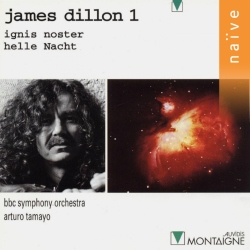
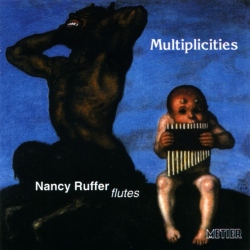
4
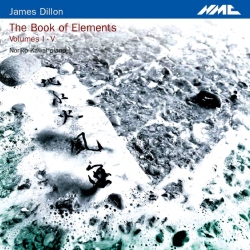
1:33


Copyright Ⓒ 2013 Davinci Finger. All rights reseved
Service Terms & Policy