


Gösta Nystroem
Released Album
Vocal
-
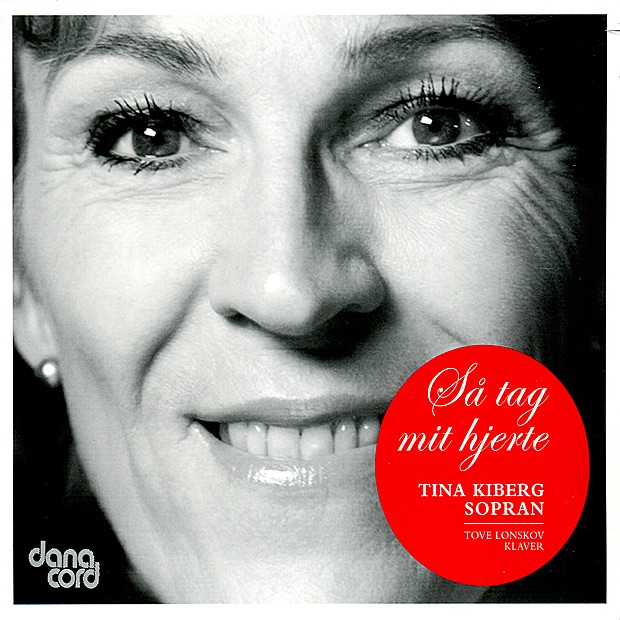 July 12, 2011
 -
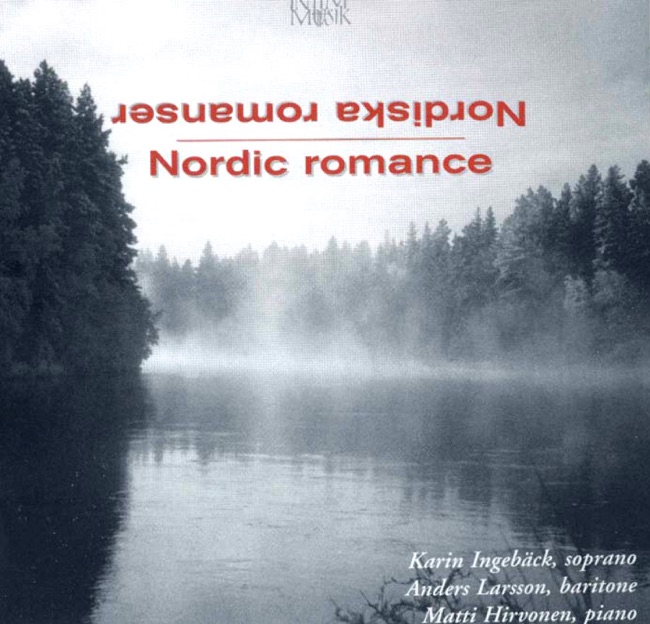 December 27, 2005
 -
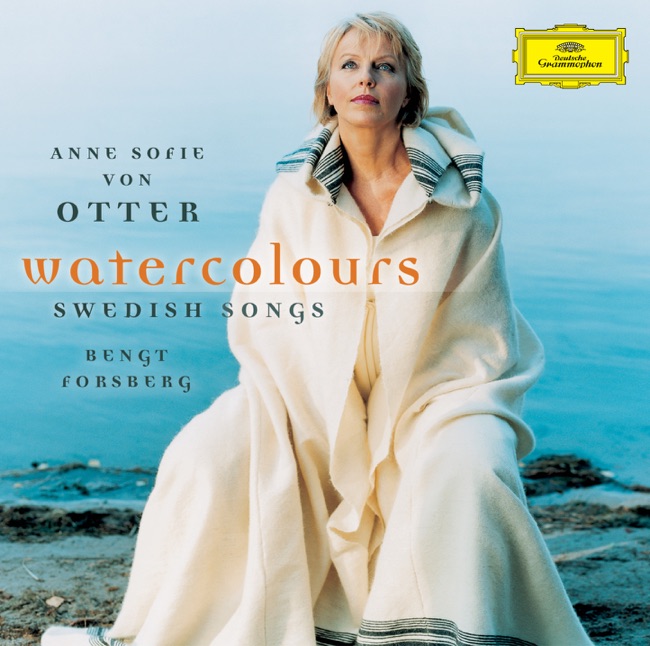 February 10, 2004
 -
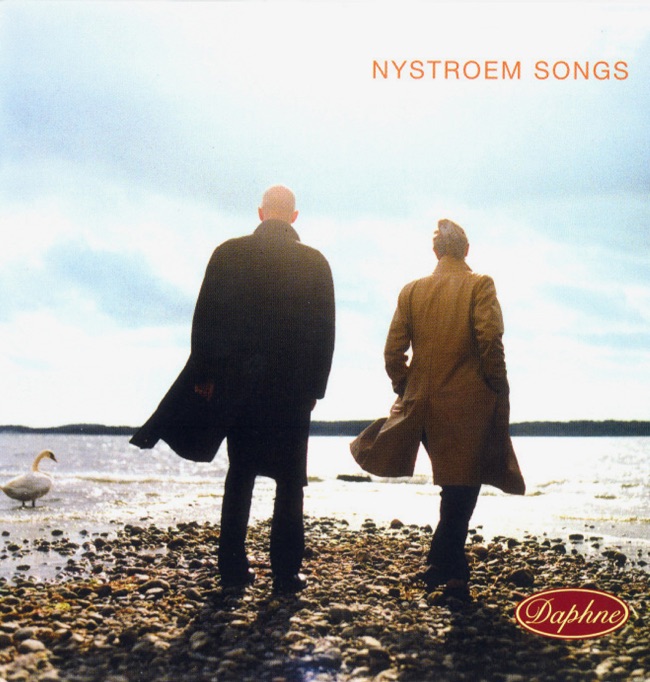 September 30, 2003
 -
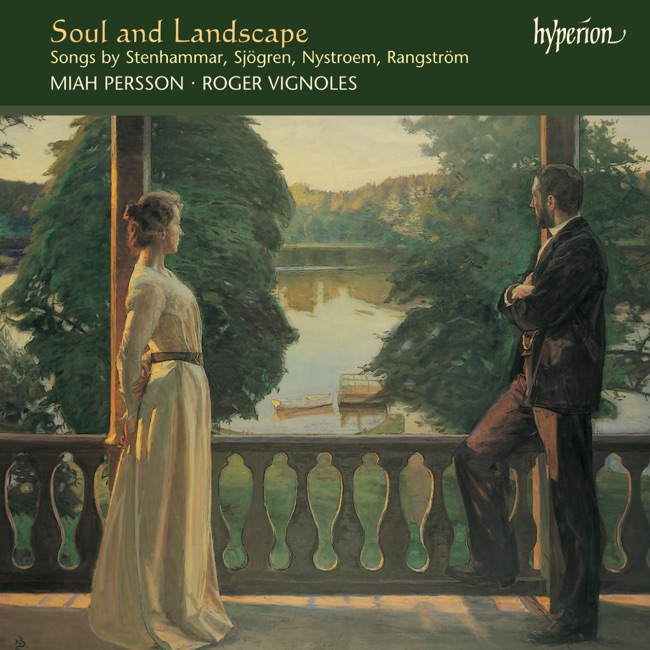 March 1, 2003
 -
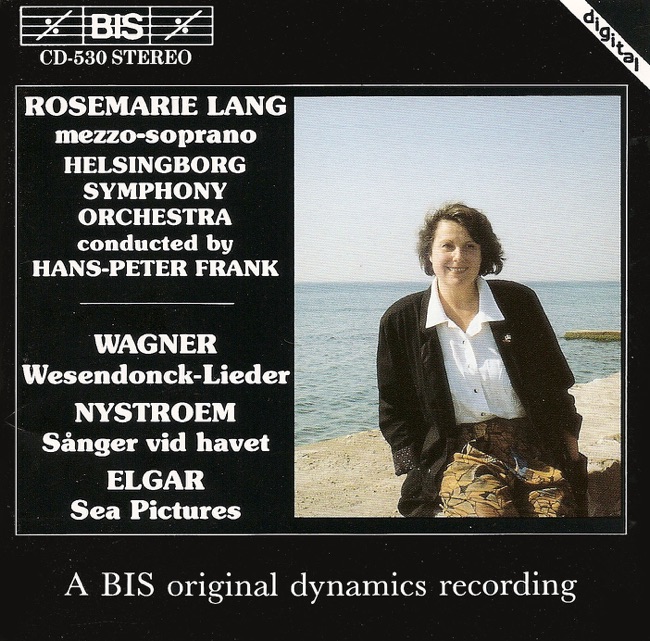
Symphony
-
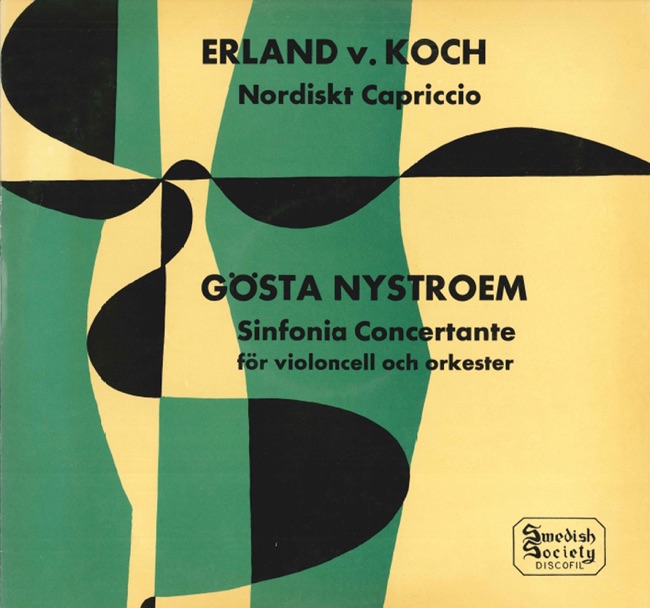 November 1, 2014
 -
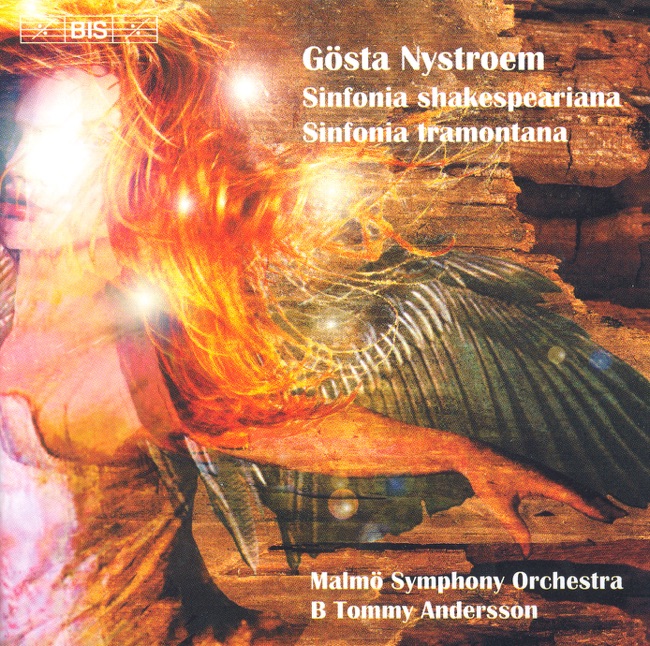 November 30, 2004
 -
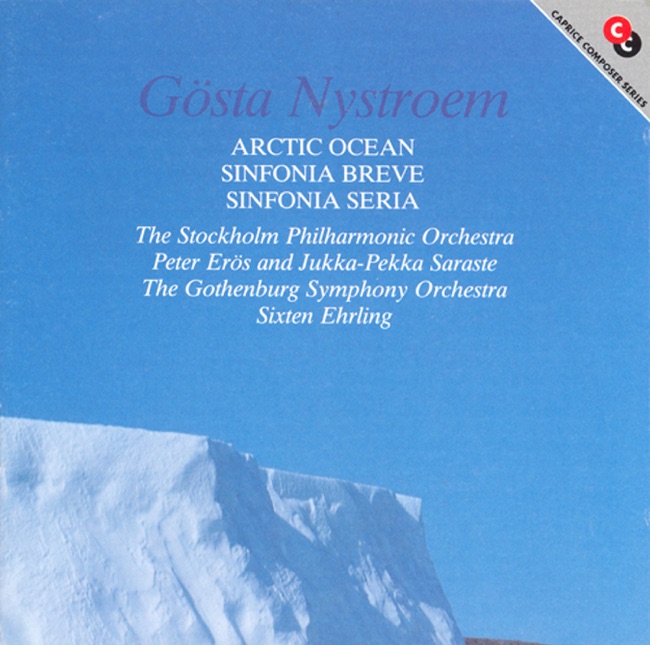 January 31, 2002
 -
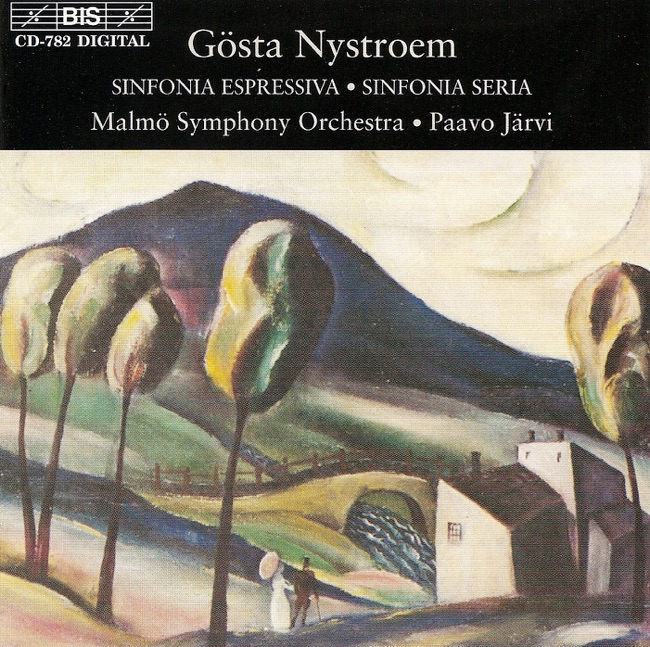 March 26, 1996
 -
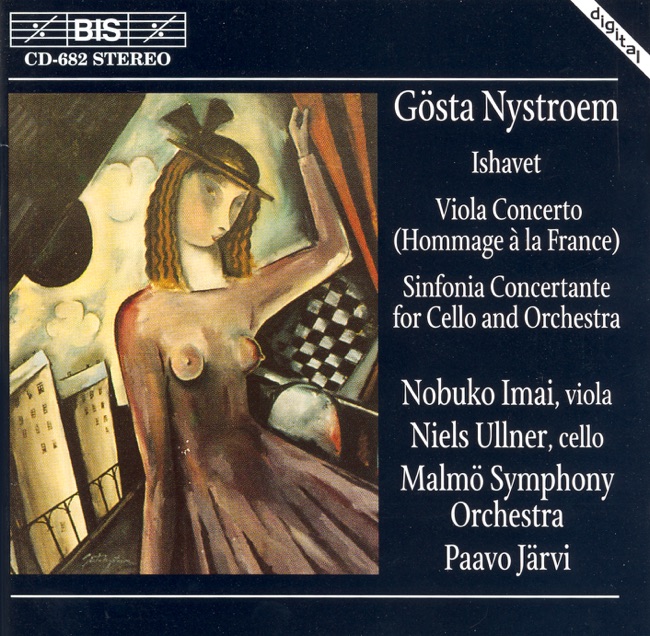
Orchestral
-
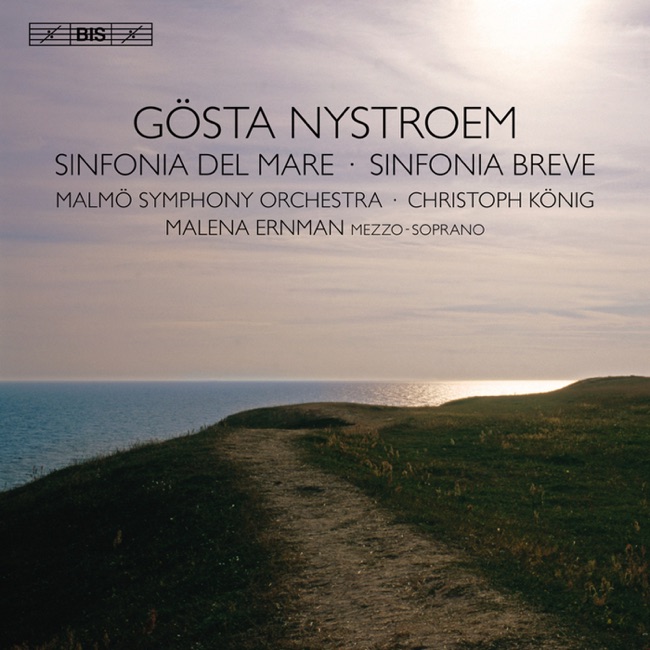 July 26, 2011
Concerto

Artist Info
Role:ComposerCountry: SwedenBirth:October 13, 1890 in Silvberg, Dalarna, SwedenDeath:August 9, 1966 in Särö, SwedenPeriod:ContemporaryModernGenre:SymphonyVocalGösta Nystroem was a Swedish composer who was born on October 13, 1890, in Silvberg, Sweden. He was the son of a mining engineer and grew up in a family that was interested in music. His mother was a pianist, and his father played the violin. Nystroem began playing the piano at a young age and showed an early talent for music. Nystroem studied music at the Royal College of Music in Stockholm, where he was a student of Ernst Ellberg. He also studied composition with Wilhelm Stenhammar, who was a prominent Swedish composer at the time. Nystroem was a gifted student and won several awards for his compositions while he was still in school. After completing his studies, Nystroem worked as a music teacher and conductor in various parts of Sweden. He also continued to compose music, and his works began to gain recognition in Sweden and other parts of Europe. In 1921, he won the first prize in a competition for Swedish composers, which helped to establish his reputation as a composer. Nystroem's music is characterized by its emotional intensity and its use of folk melodies and rhythms. He was influenced by the music of Jean Sibelius, who was a Finnish composer and one of the most important figures in Scandinavian music at the time. Nystroem's music also reflects his interest in nature and the landscape of Sweden, which he often depicted in his compositions. One of Nystroem's most famous works is his Symphony No. 3, which he composed in 1947. The symphony is often referred to as the "Sinfonia del Mare" or "Symphony of the Sea" because it was inspired by the sea and the coast of Sweden. The symphony is divided into four movements, each of which represents a different aspect of the sea. The first movement is titled "The Sea," and it is a powerful and dramatic depiction of the sea's power and majesty. The second movement, "The Waves," is more tranquil and reflective, while the third movement, "The Storm," is a turbulent and chaotic depiction of a storm at sea. The final movement, "The Calm," is a peaceful and serene reflection on the beauty of the sea. Another important work by Nystroem is his opera "Herr Arnes Penningar" or "Mr. Arne's Money," which he composed in 1938. The opera is based on a novel by Swedish author Selma Lagerlöf and tells the story of a group of Scottish mercenaries who rob and murder a family in Sweden. The opera is notable for its use of Swedish folk music and its dramatic and emotional intensity. Nystroem also composed several works for solo instruments, including his Violin Concerto, which he composed in 1948. The concerto is a virtuosic and challenging work that showcases the technical abilities of the soloist. It is also notable for its use of Swedish folk melodies and its emotional intensity. In addition to his work as a composer, Nystroem was also a respected music critic and writer. He wrote several books on music, including a biography of Jean Sibelius and a history of Swedish music. He was also a member of the Swedish Academy of Music and served as its president from 1956 to 1960. Nystroem continued to compose music throughout his life, and his works continued to gain recognition and acclaim. He died on August 9, 1966, in Stockholm, Sweden, at the age of 75. Today, he is remembered as one of the most important composers in Swedish music history, and his works continue to be performed and recorded by musicians around the world.More....
Recent Artist Music

10
2:49

Copyright Ⓒ 2013 Davinci Finger. All rights reseved
Service Terms & Policy