


Large Symphony Orchestra of Moscow Radio
Released Album
Orchestral
-
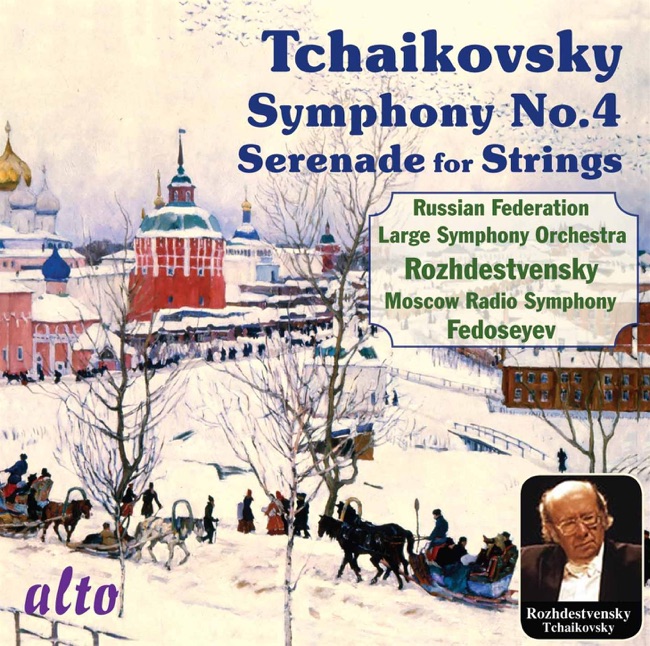 September 14, 2010
 -

Symphony
-
 July 28, 2015
Artist Info
Role:EnsembleThe Large Symphony Orchestra of Moscow Radio is one of the most renowned classical music ensembles in the world. Founded in 1930, the orchestra has a rich history of excellence in performance and has been recognized with numerous awards and accolades. The orchestra was established as part of the All-Union Radio Committee, which was responsible for broadcasting music across the Soviet Union. The first conductor of the orchestra was Nikolai Golovanov, who led the ensemble until 1948. Under his leadership, the orchestra gained a reputation for its precision and technical skill, and it quickly became one of the most sought-after ensembles in the Soviet Union. In the years following World War II, the orchestra continued to grow and develop. In 1951, the renowned conductor Gennady Rozhdestvensky was appointed as the orchestra's principal conductor, a position he held until 1974. During his tenure, Rozhdestvensky led the orchestra in numerous performances and recordings, including works by Tchaikovsky, Shostakovich, and Prokofiev. One of the highlights of the orchestra's early years was its performance of Shostakovich's Symphony No. 7, which was broadcast live across the Soviet Union during the Siege of Leningrad in 1942. The performance was a powerful symbol of resistance and resilience in the face of adversity, and it helped to cement the orchestra's reputation as a national treasure. In the years that followed, the orchestra continued to perform at the highest level, earning critical acclaim and international recognition. In 1960, the orchestra embarked on its first international tour, performing in Europe and Asia to great acclaim. The tour was a major milestone for the ensemble, and it helped to establish the orchestra as one of the world's leading classical music ensembles. Throughout the 1970s and 1980s, the orchestra continued to perform and record extensively, under the leadership of conductors such as Kirill Kondrashin and Vladimir Fedoseyev. During this time, the orchestra collaborated with some of the world's leading soloists, including pianist Sviatoslav Richter and violinist David Oistrakh. In the years following the collapse of the Soviet Union, the orchestra faced significant challenges, as funding for the arts became scarce and the cultural landscape of Russia underwent significant changes. However, the orchestra continued to perform and record, and it remained a symbol of excellence in classical music. In recent years, the orchestra has continued to thrive, under the leadership of conductor Tugan Sokhiev. Sokhiev, who was appointed as the orchestra's principal conductor in 2014, has led the ensemble in numerous performances and recordings, including works by Rachmaninoff, Tchaikovsky, and Stravinsky. One of the highlights of Sokhiev's tenure was the orchestra's performance at the 2018 FIFA World Cup opening ceremony in Moscow. The orchestra performed a stirring rendition of Tchaikovsky's "Swan Lake," which was watched by millions of people around the world. In addition to its performances, the orchestra has also been recognized with numerous awards and accolades. In 2015, the orchestra was awarded the prestigious Echo Klassik award for its recording of Shostakovich's Symphony No. 10. The award was a testament to the orchestra's continued excellence in performance and recording. Today, the Large Symphony Orchestra of Moscow Radio remains one of the world's leading classical music ensembles.More....
Recent Artist Music
1
Serenade for strings in C major, Op. 48
Pezzo in forma di sonatina. Andante non troppo. Allegro moderato
10:35


Copyright Ⓒ 2013 Davinci Finger. All rights reseved
Service Terms & Policy