


Werner Egk
Released Album
Opera
-
-
 March 1, 2011
 -
 July 16, 2001
 -
 December 12, 1995
 -
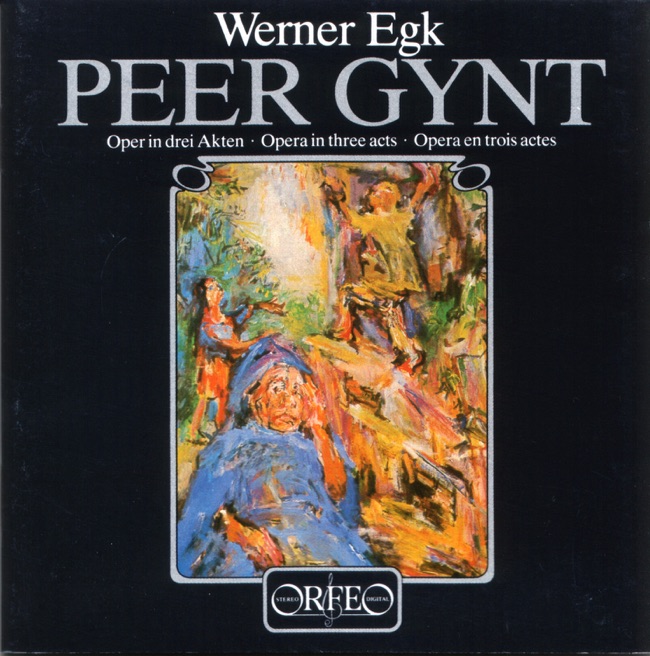 April 4, 1995
Ballet
-
 March 27, 2007
Vocal
Orchestral
-
 December 1, 2003
 -
Artist Info
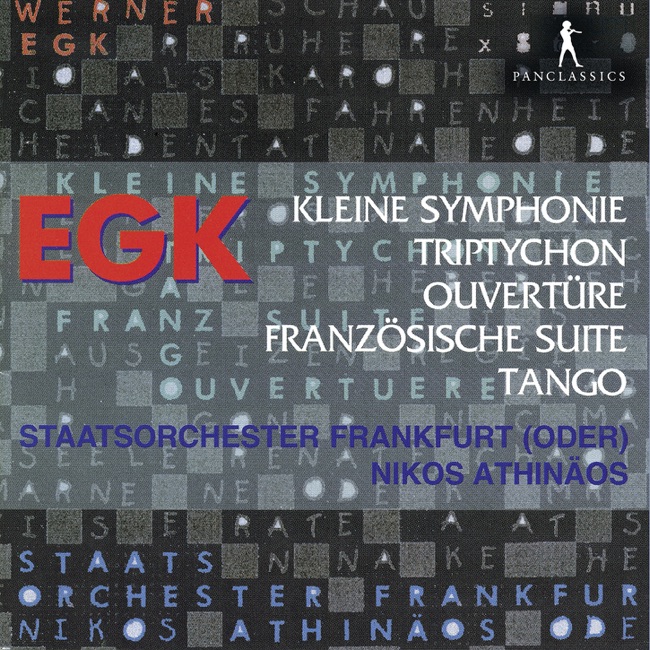
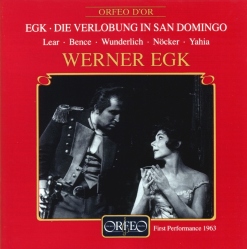
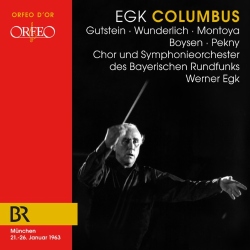
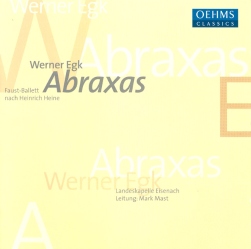
Role:Composer Conductor PerformerCountry: GermanyBirth:May 17, 1901 in AuchsesheimDeath:July 10, 1983 in Inning, GermanyPeriod:ModernGenre:OperaSymphonyWerner Egk was a German composer who was born on May 17, 1901, in Auchsesheim, Bavaria. He was the son of a schoolteacher and grew up in a musical family. His father played the organ and his mother sang in the church choir. Egk showed an early interest in music and began playing the piano at the age of six. Egk studied music at the Munich Academy of Music from 1919 to 1923. He then worked as a conductor and composer in various theaters in Germany and Austria. In 1926, he became the conductor of the Munich Chamber Opera. During this time, he also began to compose his own music. Egk's early works were influenced by the music of Richard Strauss and Igor Stravinsky. His first major success came in 1930 with the premiere of his opera "Columbus" at the Frankfurt Opera. The opera was based on the life of Christopher Columbus and was praised for its innovative use of percussion and its incorporation of jazz elements. In 1933, Egk's career was interrupted by the rise of the Nazi regime in Germany. He was labeled a "degenerate" artist and his music was banned. Egk was forced to go into hiding and was unable to work as a composer for several years. After the end of World War II, Egk resumed his career as a composer. He became the director of the Bavarian State Opera in 1946 and held the position until 1950. During this time, he composed several operas, including "Die Zaubergeige" (The Magic Violin) and "Peer Gynt." Egk's music was characterized by its use of folk elements and its incorporation of non-Western musical traditions. He was particularly interested in the music of Africa and Asia and incorporated these influences into his compositions. His music was also known for its rhythmic complexity and its use of percussion. One of Egk's most famous works is his ballet "Abraxas," which premiered in 1936. The ballet was based on the myth of the god Abraxas and was praised for its innovative use of percussion and its incorporation of African and Asian musical elements. Egk's other notable works include his opera "Die Verlobung in San Domingo" (The Betrothal in Santo Domingo), which premiered in 1940, and his "Symphony No. 2," which premiered in 1953. He also composed several film scores, including the music for the 1956 film "The Captain from Köpenick." Egk received numerous awards and honors throughout his career. He was awarded the Order of Merit of the Federal Republic of Germany in 1954 and was made a member of the Bavarian Academy of Fine Arts in 1955. He also received the Grand Cross of Merit of the Federal Republic of Germany in 1961. Egk continued to compose music until his death on July 10, 1983, in Inning am Ammersee, Bavaria. His music continues to be performed and recorded today and is recognized as an important contribution to the development of 20th-century classical music.More....
Recent Artist Music
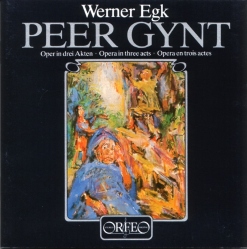
9
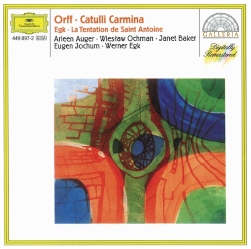
The Temptation of Saint Anthony for viola & strings
1. Ciel! l'Univers va-t-il donc se dissoudre? (Air: Plus inconstant que l'onde et le nuage)
1:44
Copyright Ⓒ 2013 Davinci Finger. All rights reseved
Service Terms & Policy