


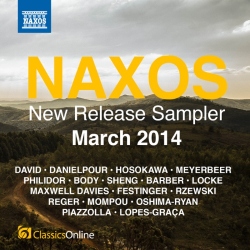
François-André Danican Philidor
Released Album
Opera
-
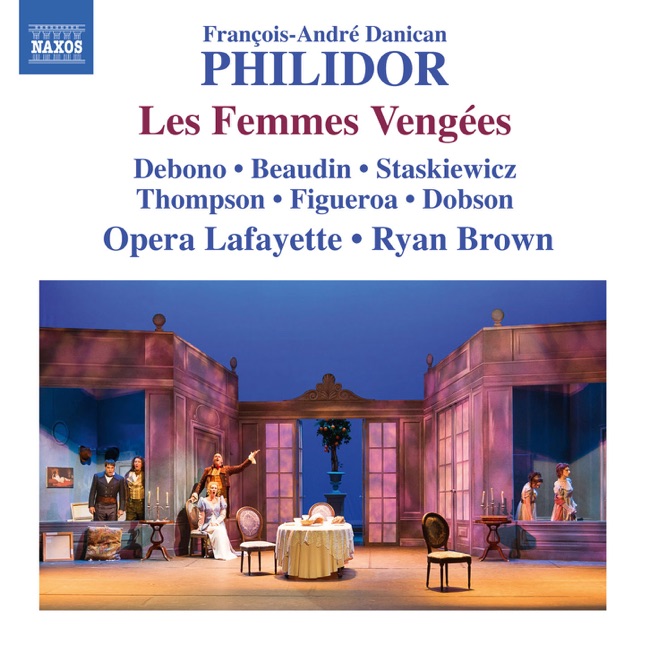 August 28, 2015
 -
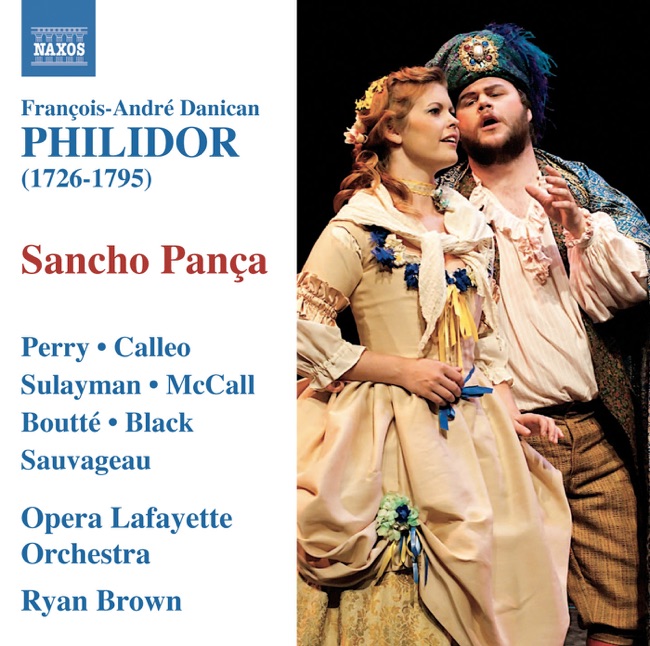 October 25, 2011
 -
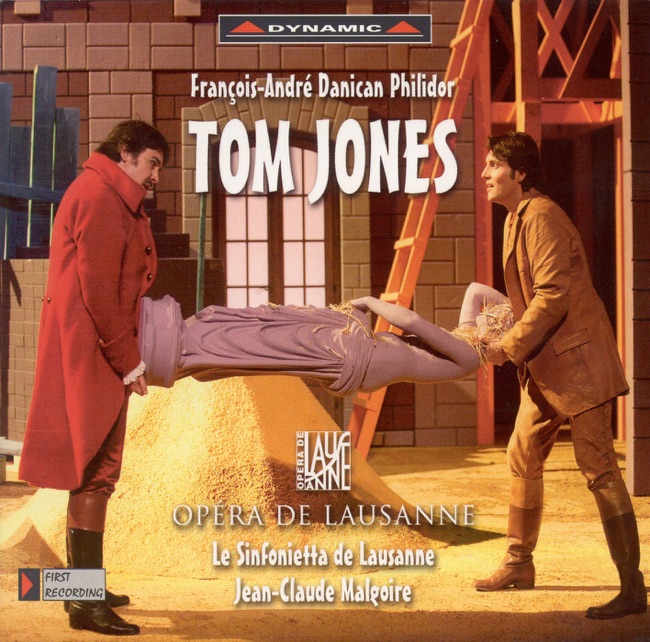 July 25, 2006
 -
 March 6, 2006
Chamber
-
-
 June 9, 2017
 -
Symphony
Artist Info
Role:ComposerCountry: FranceBirth:September 7, 1726 in Dreux, FranceDeath:August 31, 1795 in London, EnglandPeriod:ClassicalGenre:ChamberVocalFrançois-André Danican Philidor was a French composer, chess player, and writer who lived from 7 September 1726 to 31 August 1795. He was born in Dreux, France, to a family of musicians. His father, André Danican Philidor, was a renowned oboist and composer, and his mother, Anne Danican Philidor, was a harpsichordist. François-André Danican Philidor was the youngest of their three sons, all of whom became musicians. Philidor's musical education began at an early age. He learned to play the harpsichord and the violin from his mother, and he received instruction in composition and music theory from his father. He also studied singing and the flute, and he became proficient in both instruments. By the age of ten, he was already performing in public, and he soon became known for his musical talent. In 1735, Philidor's family moved to Paris, where he continued his musical studies. He became a member of the Royal Academy of Music in 1740, and he began composing music for the stage. His first opera, Le Mariage de la Grosse Cathos, was performed in 1742, and it was a great success. He went on to compose several more operas, including Le Sorcier, which was performed at the Paris Opera in 1764. In addition to his work as a composer, Philidor was also a skilled chess player. He learned the game from his father, who was a strong player himself. Philidor quickly became one of the best players in France, and he was soon playing against some of the top players in Europe. He wrote a book on chess, Analyse du jeu des Échecs, which was published in 1749. The book was a groundbreaking work that introduced many new ideas and strategies to the game. Philidor's musical career continued to flourish throughout the 1750s and 1760s. He composed music for the theater, including several operas and ballets. He also wrote music for the court, including pieces for the royal chapel and the king's private concerts. His music was highly regarded for its elegance and sophistication, and he was considered one of the leading composers of his time. In 1770, Philidor was appointed as the music director of the Paris Opera. He held this position for the next 25 years, during which time he oversaw the production of many operas and ballets. He also continued to compose music, including several works for the stage. One of his most famous works from this period is the opera Tom Jones, which was first performed in 1765. Philidor's music was known for its clarity and simplicity. He was a master of counterpoint, and his music was characterized by its clear and distinct melodies. He was also known for his use of harmony, which was often simple but highly effective. His music was highly influential, and it had a significant impact on the development of classical music in France. In addition to his work as a composer and chess player, Philidor was also a writer. He wrote several books on music theory and composition, including L'Art de la Musique and Nouvelle Méthode pour la Flûte. He also wrote several plays, including Les Femmes Vengées and Le Joueur. Philidor died in London on 31 August 1795. He was buried in the cemetery of St. Pancras Church. His legacy as a composer, chess player, and writer continues to be celebrated today. His music is still performed and recorded, and his contributions to the development of classical music are widely recognized. He is remembered as one of the most important figures in French music history.More....
Recent Artist Music
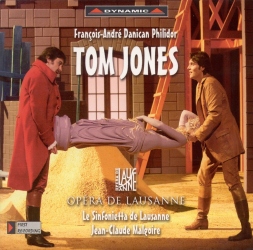
5
Quartet for oboe, 2 violins & bass "The art of modulation"
No. 1 in G minor (for flute, 2 violins & b.c.): 1. Con spirito. L'Arte della fuga: Moderato
3:1
8

Quartet for oboe, 2 violins & bass "The art of modulation"
Sinfonia V: Adagio - Fuga Moderato - Andante - Aria con variazione
9:7
9
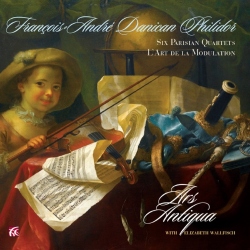
Quartet for oboe, 2 violins & bass "The art of modulation"
Sinfonia IV in B-Flat Major: Allegro ma non tropo
5:13
10
4:40
Copyright Ⓒ 2013 Davinci Finger. All rights reseved
Service Terms & Policy