


Carlos Gomes
Released Album
Opera
-

-
 August 15, 2022
 -
 May 6, 2022
 -
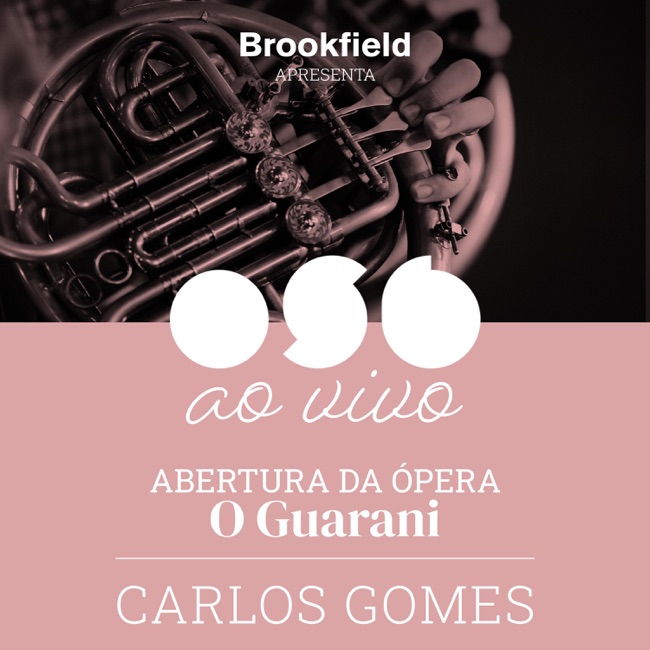 July 11, 2021
 -
 August 7, 2020
 -
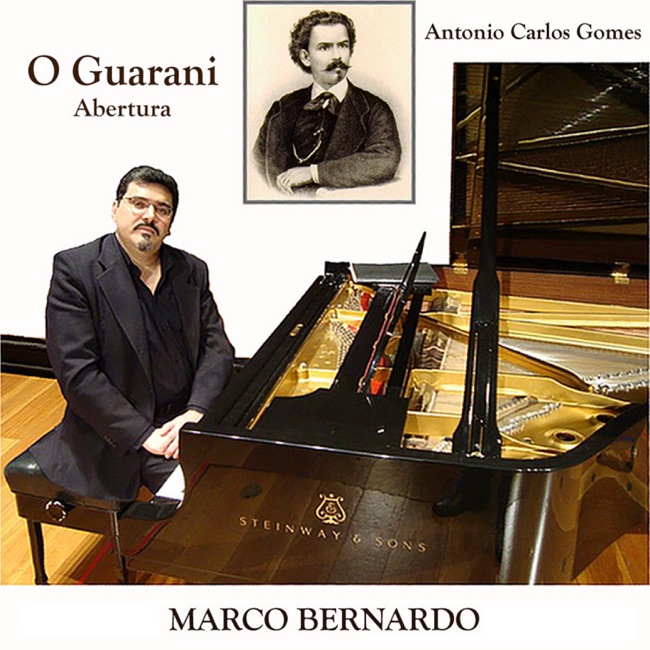 May 22, 2020
Chamber
-
 February 26, 2002
 -
 March 23, 1999
 -
 November 11, 1996
Choral
-
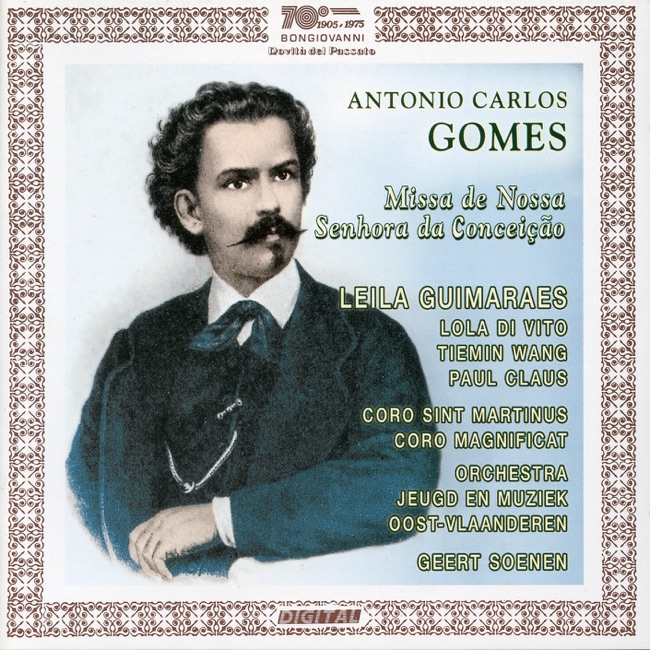 August 1, 2013
 -
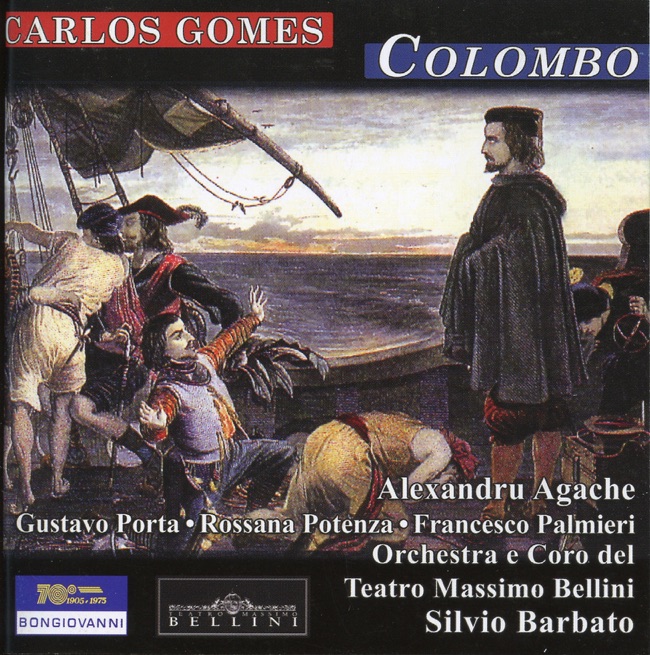 July 29, 2008
Vocal
-
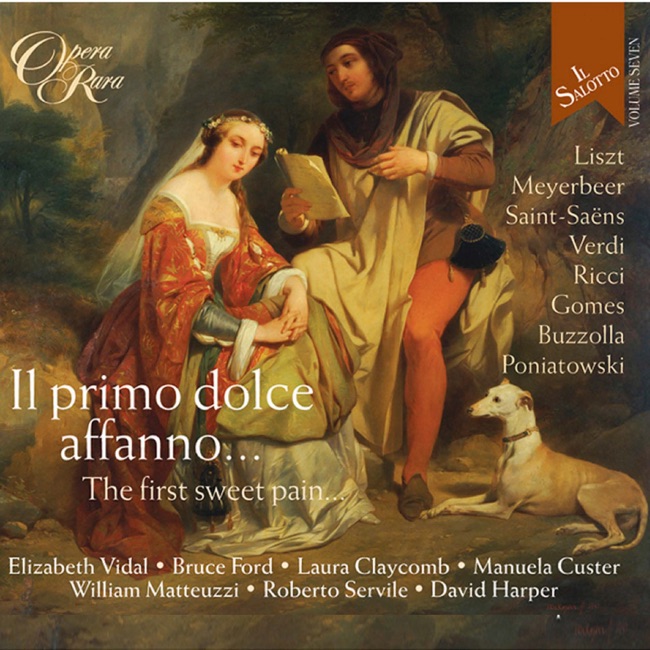 November 1, 2004
Artist Info
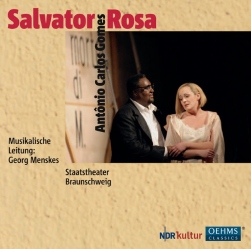
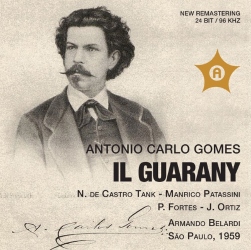
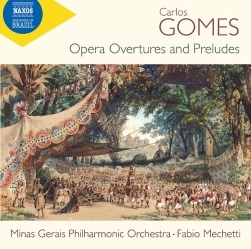
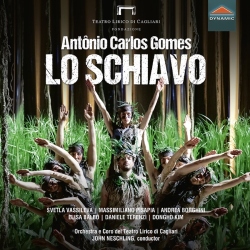
Role:ComposerCountry: BrazilBirth:July 11, 1836 in Campinas, BrazilDeath:September 16, 1896 in Belém, BrazilPeriod:RomanticGenre:OperaAntônio Carlos Gomes was a Brazilian composer who is considered one of the most important figures in the history of Brazilian classical music. He was born on July 11, 1836, in Campinas, São Paulo, Brazil. His father, Manuel José Gomes, was a Portuguese immigrant who worked as a musician and conductor, and his mother, Fabiana Maria Jaguari Cardoso, was a Brazilian of indigenous and African descent. Carlos Gomes showed an early interest in music and began studying piano and violin at a young age. He also showed a talent for composition and began writing his own music as a teenager. In 1859, he moved to Rio de Janeiro to study at the Imperial Conservatory of Music, where he studied under the renowned composer and conductor Francisco Manuel da Silva. Gomes quickly established himself as a talented composer and his first major work, the opera "A Noite do Castelo" (The Night of the Castle), was premiered in Rio de Janeiro in 1861. The opera was a critical and commercial success and established Gomes as a major figure in Brazilian music. Over the next few years, Gomes continued to compose operas and other works, including "Joana de Flandres" (Joan of Flanders) and "O Guarani" (The Guarani), which are considered his most famous works. "O Guarani" premiered in 1870 and was an instant success, both in Brazil and abroad. The opera tells the story of a love affair between a Brazilian Indian and a Portuguese noblewoman and features a mix of European and Brazilian musical styles. Gomes continued to compose operas throughout his career, including "Fosca" (1873), "Salvator Rosa" (1874), and "Lo Schiavo" (The Slave, 1889), which was his last major work. "Lo Schiavo" was based on the story of a slave rebellion in Brazil and was a critical and commercial success. In addition to his work as a composer, Gomes was also a conductor and music teacher. He served as the director of the National Institute of Music in Rio de Janeiro from 1890 to 1895 and was a professor of composition at the Conservatory of Music in São Paulo from 1896 until his death. Gomes was a pioneer in the development of Brazilian classical music and was one of the first composers to incorporate Brazilian musical elements into his work. His operas, in particular, are known for their use of Brazilian rhythms and melodies, as well as their incorporation of indigenous and African musical elements. Despite his success as a composer, Gomes faced many challenges throughout his career. He struggled with financial difficulties and was often criticized by European critics who viewed his work as inferior to that of European composers. He also faced discrimination because of his mixed-race heritage and was often referred to as a "mulatto composer." Despite these challenges, Gomes remained committed to his work and continued to compose until his death. He died on September 16, 1896, in Belém, Brazil, at the age of 60. Today, Carlos Gomes is remembered as one of the most important figures in the history of Brazilian classical music. His work helped to establish a distinct Brazilian musical identity and paved the way for future generations of Brazilian composers. His operas, in particular, continue to be performed and celebrated both in Brazil and around the world.More....
Recent Artist Music
1
4:28





Recommend Playlist



Related Artists
Copyright Ⓒ 2013 Davinci Finger. All rights reseved
Service Terms & Policy