


Francesco Ruggi
Released Album
Opera
-
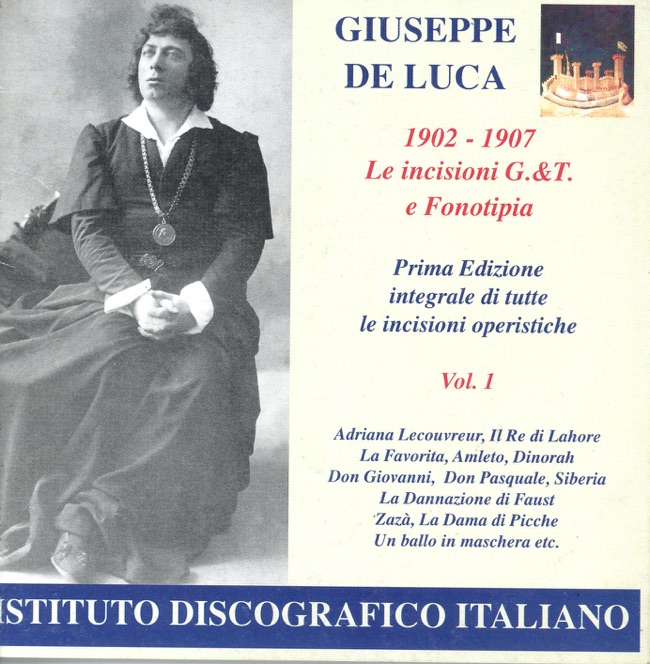 February 15, 1999
 -
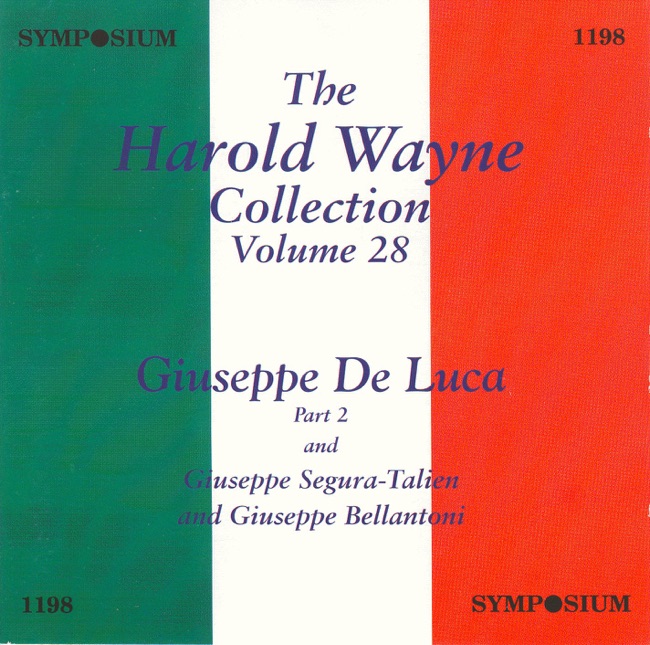 January 14, 1997
Artist Info
Role:ComposerGenre:OperaFrancesco Ruggi was a prominent Italian composer of the Baroque era, known for his contributions to the development of instrumental music. He was born in 1679 in the city of Bologna, Italy, into a family of musicians. His father, Giovanni Battista Ruggi, was a violinist and composer, and his mother, Maria Maddalena, was a singer. Francesco showed an early interest in music and began studying the violin and composition under his father's guidance. As a young man, Ruggi traveled to Rome to study with the renowned composer Arcangelo Corelli. Corelli was a major influence on Ruggi's musical style, and he became one of Ruggi's most important mentors. Ruggi also studied with other prominent composers of the time, including Alessandro Scarlatti and Giuseppe Torelli. Ruggi's early works were primarily vocal compositions, including sacred music and operas. His first opera, "La Rosaura," was performed in Bologna in 1706 and was well-received by audiences. However, Ruggi's true passion was instrumental music, and he began to focus more on composing for the violin and other instruments. One of Ruggi's most significant contributions to instrumental music was his development of the concerto grosso form. This form, which was popularized by Corelli, features a small group of soloists (the concertino) accompanied by a larger ensemble (the ripieno). Ruggi expanded on this form by adding more solo instruments and creating more complex and virtuosic solo parts. Ruggi's most famous work is his set of 12 concerti grossi, Op. 3, which he composed in 1718. These concertos are considered some of the finest examples of the form and were highly influential on later composers, including Handel and Bach. The concertos feature a wide range of solo instruments, including the violin, cello, oboe, and trumpet, and showcase Ruggi's skill at creating intricate and expressive solo parts. In addition to his concerti grossi, Ruggi composed a number of other instrumental works, including sonatas and chamber music. His sonatas for violin and continuo are particularly notable for their expressive melodies and virtuosic violin parts. Ruggi's music was highly regarded during his lifetime, and he was widely recognized as one of the leading composers of his time. He was a member of the prestigious Accademia Filarmonica di Bologna and was appointed maestro di cappella at the Basilica di San Petronio in Bologna in 1723. Despite his success, Ruggi's life was not without its challenges. He suffered from poor health throughout his life and was often in financial difficulties. He also faced competition from other prominent composers of the time, including Vivaldi and Handel. Francesco Ruggi died in Bologna in 1757 at the age of 78. His legacy as a composer of instrumental music lives on, and his works continue to be performed and studied by musicians and music lovers around the world.More....
Copyright Ⓒ 2013 Davinci Finger. All rights reseved
Service Terms & Policy