


Philip Brett
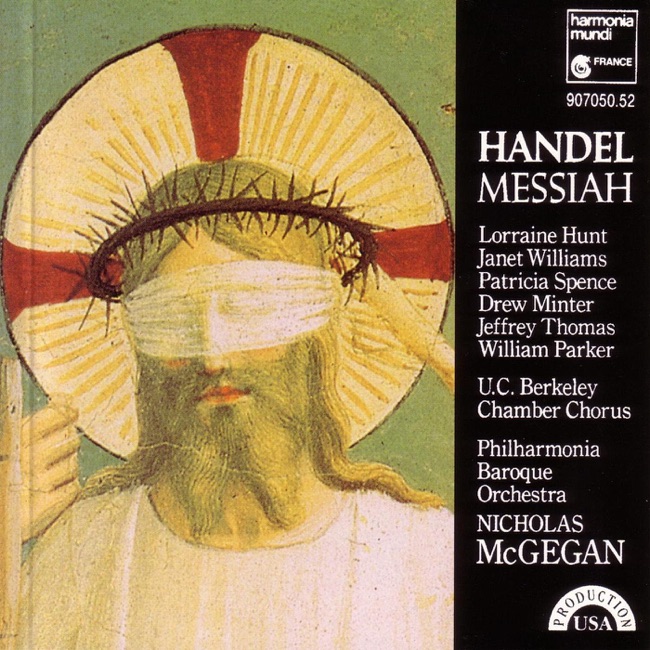
Artist Info
Role:ConductorPeriod:RenaissanceBaroqueModernGenre:ChoralPhilip Brett was a renowned British musicologist, conductor, and singer who made significant contributions to the field of classical music. He was born on April 10, 1937, in Dartford, Kent, England, and grew up in a musical family. His father was a church organist, and his mother was a singer. Brett's interest in music was evident from a young age, and he began singing in his father's choir at the age of six. Brett attended Oxford University, where he studied music and was a member of the renowned Oxford University Choir. He later earned a doctorate in musicology from the University of California, Berkeley. During his time at Berkeley, Brett became interested in the music of the Renaissance and Baroque periods, and he began to specialize in the study of early music. Brett's career as a musicologist began in the 1960s, and he quickly established himself as a leading scholar in the field of early music. He published numerous articles and books on the subject, including "Monteverdi and His Contemporaries" and "Music and Sexuality in Britten: Selected Essays." Brett's research focused on the intersection of music and sexuality, and he was one of the first scholars to explore the homoerotic themes in the music of Benjamin Britten. In addition to his work as a musicologist, Brett was also an accomplished conductor and singer. He conducted numerous choirs and orchestras throughout his career, including the Hilliard Ensemble and the Choir of Christ Church Cathedral, Oxford. Brett was also a founding member of the Early Music Consort of London, which was one of the first ensembles to specialize in the performance of early music. Brett's contributions to the field of classical music were recognized with numerous awards and honors throughout his career. In 1994, he was awarded the Dent Medal by the Royal Musical Association for his contributions to musicology. He was also a fellow of the British Academy and a member of the American Academy of Arts and Sciences. One of the highlights of Brett's career was his work on the reconstruction of Monteverdi's lost opera, "L'Arianna." The opera was first performed in 1608, but the music was lost shortly thereafter. Brett spent years researching the opera and piecing together the music from various sources. In 1989, he conducted the first performance of the reconstructed opera at the Berkeley Early Music Festival. Brett's work as a conductor and performer was also highly acclaimed. He was known for his sensitive interpretations of early music, and his performances were praised for their clarity and precision. One of his most memorable performances was a 1981 concert at the Wigmore Hall in London, where he conducted the Hilliard Ensemble in a program of Renaissance music. Brett's career was cut short by his untimely death in 2002. He was 65 years old. However, his contributions to the field of classical music continue to be felt today. His research on the music of the Renaissance and Baroque periods has had a significant impact on the way that early music is performed and understood. His work on the reconstruction of "L'Arianna" is still considered a landmark achievement in the field of musicology. In conclusion, Philip Brett was a highly respected musicologist, conductor, and singer who made significant contributions to the field of classical music.More....
Recent Artist Music

Copyright Ⓒ 2013 Davinci Finger. All rights reseved
Service Terms & Policy