


Takashi Ogawa
Released Album
Chamber
-
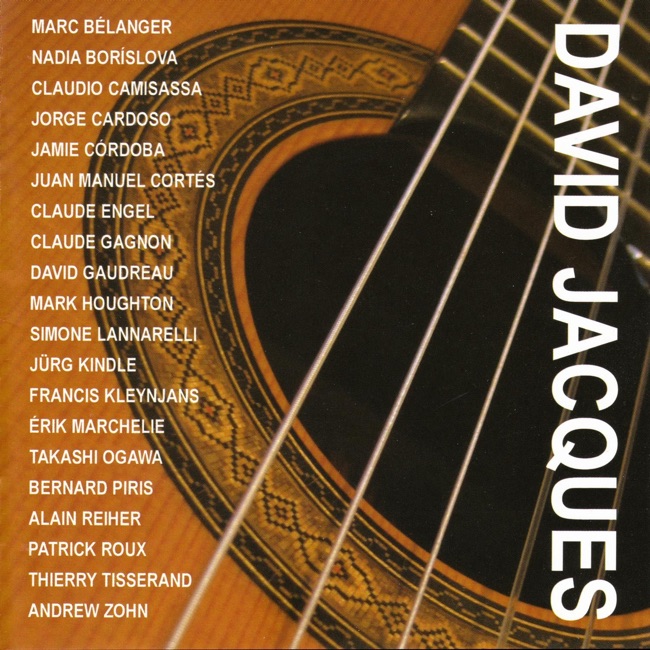 May 2, 2006
 -
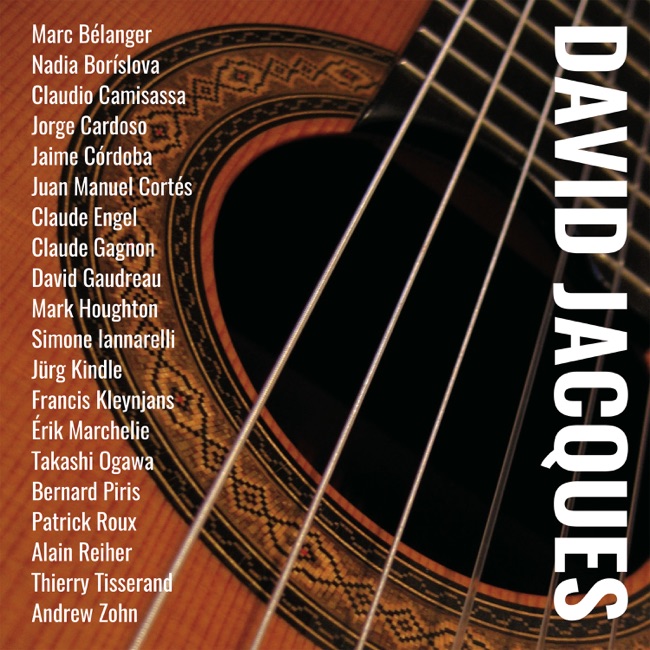 March 10, 2006
Concerto
-
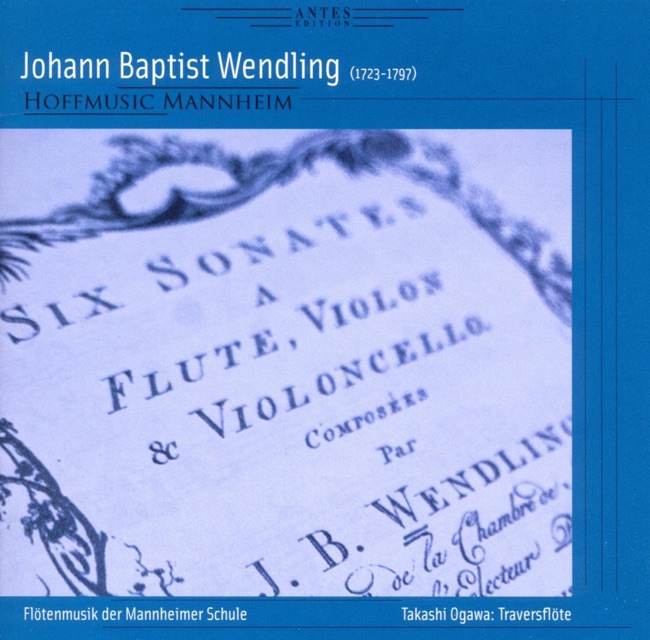 September 3, 2010
Artist Info
Role:Composer PerformerBirth:1960 in JapanTakashi Ogawa was a Japanese composer of classical music who was born on December 25, 1912, in Tokyo, Japan. He was the youngest of four children and grew up in a family that was deeply interested in music. His father was a music teacher, and his mother was a pianist. Ogawa's siblings were also musically inclined, and they often played together as a family. Ogawa began his musical education at a young age, studying piano and composition with his father. He showed great talent and was soon recognized as a prodigy. At the age of 12, he entered the Tokyo Music School, where he studied composition with Kozaburo Hirai and piano with Kiyoshi Nobutoki. He graduated from the school in 1932 and went on to study at the Tokyo National University of Fine Arts and Music. In 1936, Ogawa won first prize in the All-Japan Music Competition for his composition "Symphony No. 1." This marked the beginning of his career as a composer, and he went on to write many more works in a variety of genres, including symphonies, concertos, chamber music, and vocal music. One of Ogawa's most famous works is his "Symphony No. 2," which he composed in 1941. The symphony is a powerful and emotional work that reflects the turmoil of the times in which it was written. It was premiered by the NHK Symphony Orchestra in 1942 and was well-received by both audiences and critics. During World War II, Ogawa served in the Japanese military as a composer and arranger for the army band. After the war, he returned to his career as a composer and continued to write music that reflected his experiences and emotions. In 1951, Ogawa was awarded the Japan Art Academy Prize for his composition "Symphony No. 3." This was a significant honor, as the Japan Art Academy Prize is one of the most prestigious awards for artists in Japan. Throughout his career, Ogawa was known for his ability to blend traditional Japanese music with Western classical music. He often incorporated elements of Japanese folk music and traditional instruments into his compositions, creating a unique and distinctive sound. In addition to his work as a composer, Ogawa was also a respected music educator. He taught at the Tokyo National University of Fine Arts and Music and was a mentor to many young composers. Ogawa's later works were more introspective and reflective, reflecting his own aging and the changing times. He continued to compose until his death in 1990, leaving behind a legacy of music that is still performed and admired today. In conclusion, Takashi Ogawa was a talented and influential composer who played an important role in the development of classical music in Japan. His ability to blend traditional Japanese music with Western classical music created a unique and distinctive sound that continues to inspire and influence composers today. His works, including his famous "Symphony No. 2" and "Symphony No. 3," are still performed and admired around the world, and his legacy as a composer and educator continues to be celebrated.More....
Recent Artist Music
2
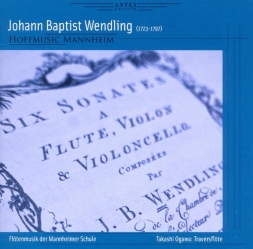
4:45
3
2:6
4

5:51
Copyright Ⓒ 2013 Davinci Finger. All rights reseved
Service Terms & Policy