


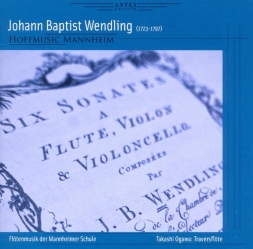
Johann Baptist Wendling
Released Album
Concerto
-
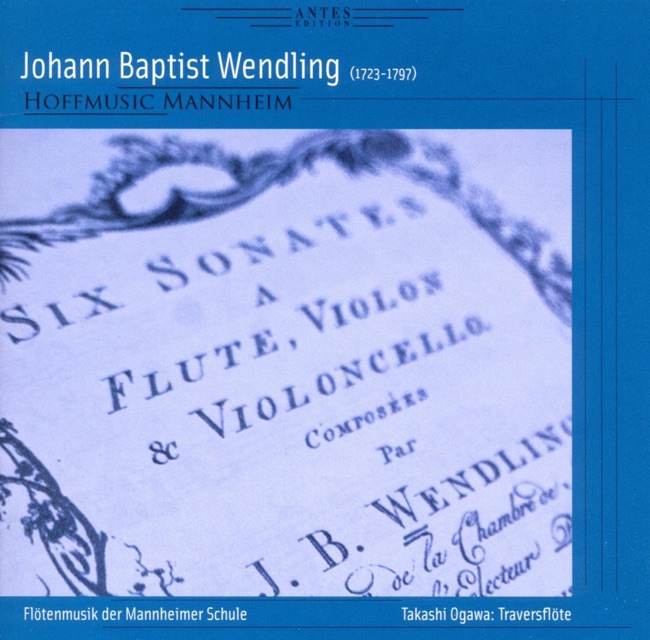 September 3, 2010
 -
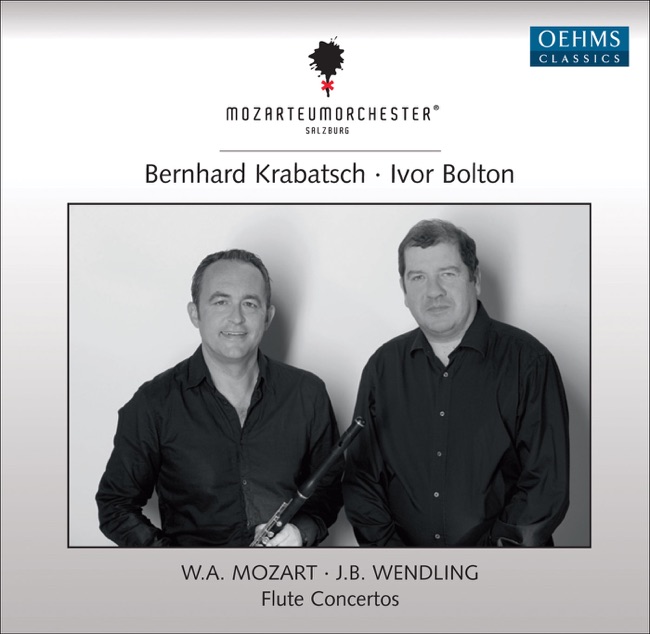 January 26, 2010
 -
-
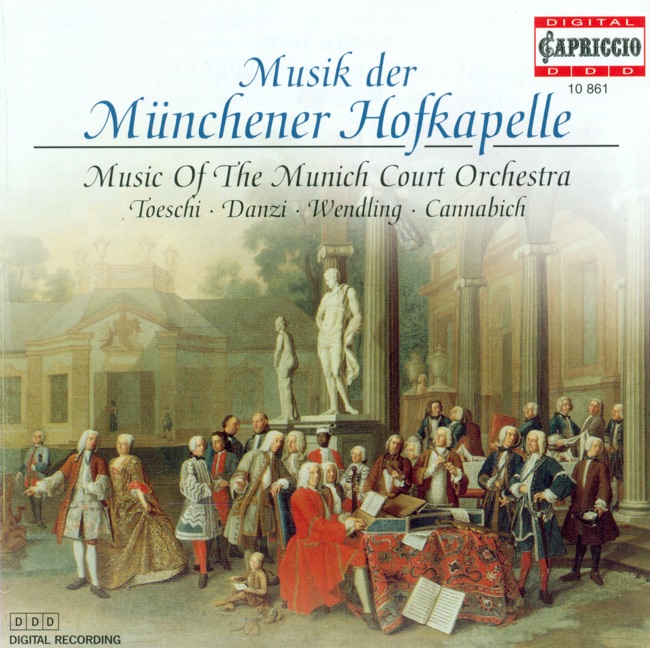 January 9, 2001
Chamber
-
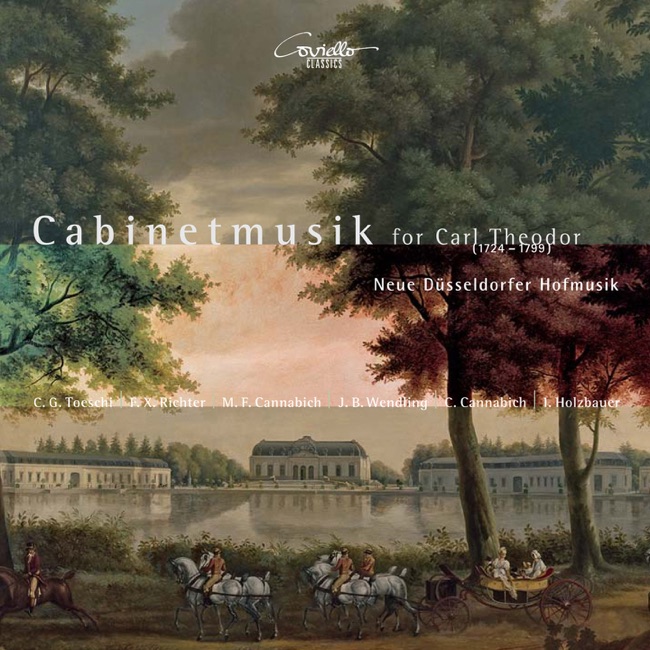 September 2, 2006
Artist Info
Role:ComposerBirth:1723Death:1797Period:ClassicalGenre:ConcertoJohann Baptist Wendling was a German flutist and composer who lived from 1723 to 1797. He was born in Strasbourg, France, to a family of musicians. His father, Johann Jacob Wendling, was a flutist and oboist, and his mother, Maria Salome Wendling, was a singer. Johann Baptist Wendling showed an early talent for music and began his musical education at a young age. Wendling's first instrument was the violin, but he soon switched to the flute, which became his primary instrument. He studied with his father and with other prominent flutists of the time, including Johann Joachim Quantz and Michel Blavet. Wendling's skill on the flute quickly became recognized, and he began performing in public at a young age. In 1748, Wendling was appointed as a court musician in Mannheim, where he played in the orchestra of the Elector Palatine. Mannheim was a center of musical innovation at the time, and Wendling was exposed to the latest developments in music. He became friends with the composer Johann Stamitz and other members of the Mannheim school, which was known for its use of dynamic contrasts and orchestral effects. Wendling's career as a composer began in Mannheim, where he wrote music for the court and for public concerts. His early works were mainly chamber music, including sonatas for flute and continuo, and trio sonatas for flute, violin, and continuo. He also wrote a number of concertos for flute and orchestra, which showcased his virtuosity on the instrument. In 1752, Wendling married Maria Felicitas Lang, a singer who was also a member of the Mannheim court orchestra. The couple had six children, four of whom became musicians. Wendling's son, Georg Wendling, became a prominent flutist and composer in his own right. In 1763, Wendling left Mannheim and moved to Paris, where he became a member of the orchestra of the Concert Spirituel. The Concert Spirituel was a popular concert series that featured music by both French and foreign composers. Wendling quickly became a favorite of the Parisian public, and his performances were praised for their technical brilliance and expressive playing. Wendling's time in Paris was a productive period for his composing career. He wrote a number of works for the Concert Spirituel, including symphonies, concertos, and chamber music. He also wrote music for the court of Louis XV, including a ballet and several operas. One of Wendling's most famous works is his Flute Concerto in G major, which he wrote in Paris in 1777. The concerto is a virtuosic showcase for the flute, with fast runs and intricate ornamentation. It is also notable for its use of the flute's lower register, which was not commonly used in concertos at the time. Wendling's music was well-regarded during his lifetime, but it fell out of favor in the years after his death. However, in recent years, there has been a renewed interest in his music, and his works have been recorded and performed by modern musicians. In conclusion, Johann Baptist Wendling was a talented flutist and composer who made significant contributions to the development of classical music. He was a virtuoso performer on the flute and wrote a number of works that showcased his technical skill and expressive playing. His music was influential in the Mannheim and Parisian schools of music, and his works continue to be appreciated by modern audiences.More....
Recent Artist Music
1
8:50
2
8:4
3
6:42
4
4:45
6
5:51
Copyright Ⓒ 2013 Davinci Finger. All rights reseved
Service Terms & Policy