


Ottó Nagy
Released Album
Opera
-
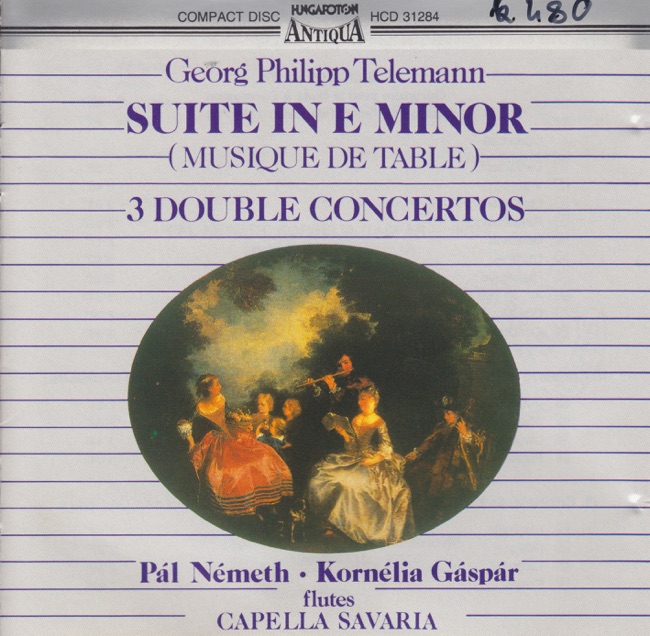
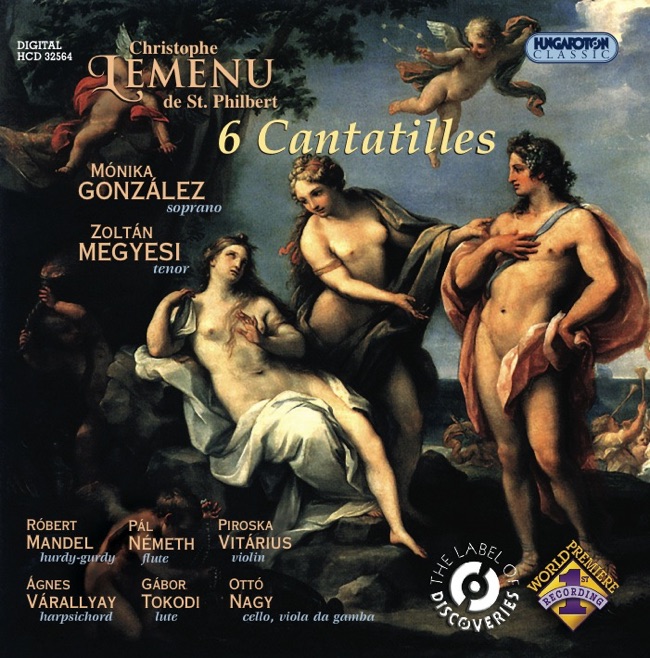 June 30, 2009
Concerto
Artist Info
Ottó Nagy was a Hungarian classical music artist who was born on December 12, 1945, in Budapest, Hungary. He was a renowned cellist and conductor who made significant contributions to the world of classical music. Nagy's passion for music began at a young age, and he quickly became a prodigy in his field. Nagy's musical journey began when he was just six years old, and he started playing the cello. He was a student of the famous Hungarian cellist, Ede Banda, who recognized his talent and potential. Nagy's talent was evident from the beginning, and he quickly became a star pupil of Banda. He continued his studies at the Franz Liszt Academy of Music in Budapest, where he received his diploma in 1968. After completing his studies, Nagy began his professional career as a cellist. He joined the Hungarian State Orchestra in 1968 and quickly rose through the ranks to become the principal cellist. He also performed as a soloist with various orchestras in Hungary and abroad. Nagy's performances were always well-received, and he quickly gained a reputation as one of the most talented cellists of his generation. In addition to his work as a cellist, Nagy was also an accomplished conductor. He began conducting in the 1970s and quickly gained recognition for his talent. He was appointed as the principal conductor of the Hungarian State Orchestra in 1985, a position he held until 1990. Nagy also conducted various other orchestras, including the Berlin Philharmonic, the Vienna Philharmonic, and the London Symphony Orchestra. Nagy's career was marked by numerous highlights and achievements. One of his most significant accomplishments was his performance of the complete Bach cello suites in 1987. This performance was a landmark event in the world of classical music, and it cemented Nagy's reputation as one of the greatest cellists of his time. Nagy also received numerous awards and honors throughout his career. In 1972, he won the first prize at the Pablo Casals International Cello Competition in Budapest. He was also awarded the Kossuth Prize, Hungary's highest cultural award, in 1988. Nagy was also a member of the Hungarian Academy of Arts and Sciences, a prestigious honor in Hungary. Despite his many accomplishments, Nagy's career was not without its challenges. He lived and worked in Hungary during a time of political upheaval, and he often faced censorship and other restrictions on his artistic freedom. However, Nagy remained committed to his art and continued to push the boundaries of classical music. Nagy's career came to a tragic end when he passed away on December 27, 1993, at the age of 48. His death was a great loss to the world of classical music, and he is remembered as one of the greatest cellists and conductors of his time. In conclusion, Ottó Nagy was a Hungarian classical music artist who made significant contributions to the world of classical music. He was a talented cellist and conductor who was recognized for his artistry and dedication to his craft. Nagy's career was marked by numerous highlights and achievements, including his performance of the complete Bach cello suites and his many awards and honors. Despite the challenges he faced, Nagy remained committed to his art and left a lasting legacy in the world of classical music.More....
Copyright Ⓒ 2013 Davinci Finger. All rights reseved
Service Terms & Policy