


Paul Juon
Released Album
Chamber
-
 September 27, 2024
 -
 January 5, 2024
 -
-
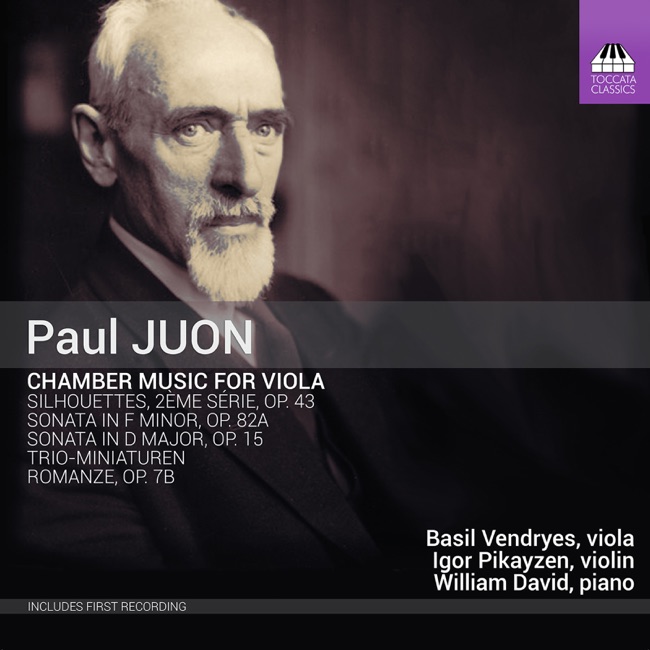 June 3, 2022
 -
 October 8, 2021
 -
 July 2, 2021
Keyboard
-
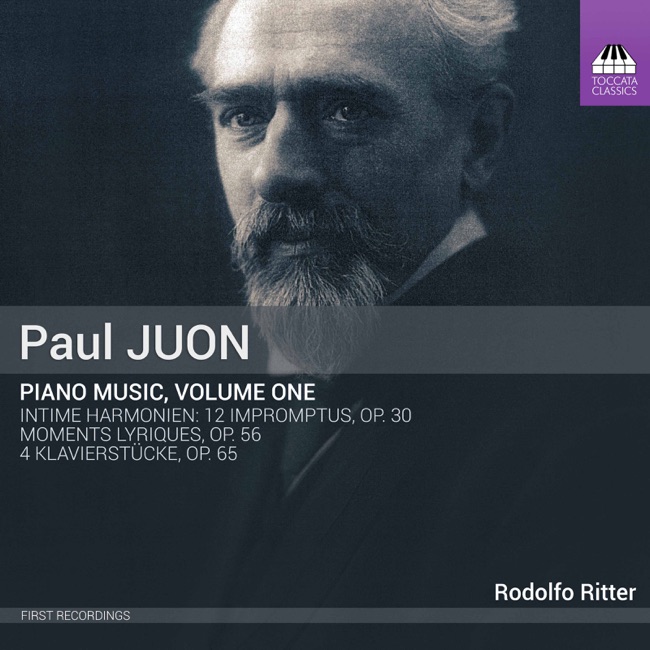 July 7, 2017
Vocal
-
 August 18, 2017
 -
 September 30, 2016
Orchestral
-
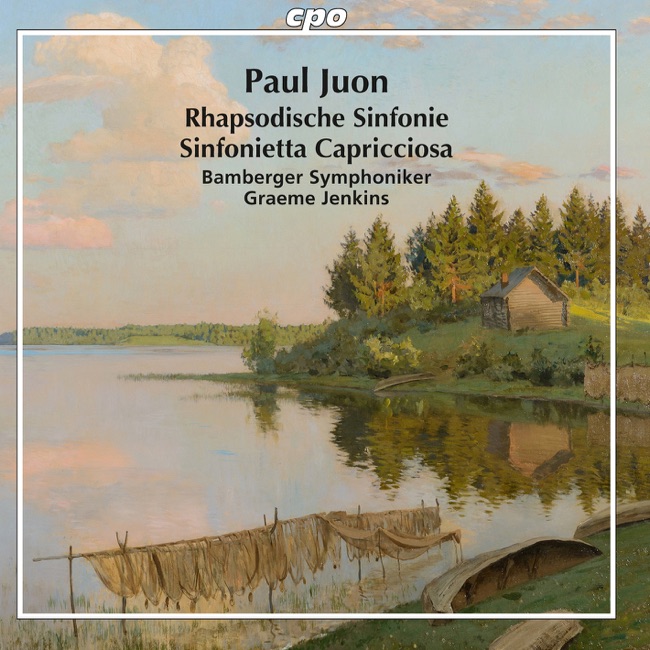 January 20, 2017
Artist Info
Role:ComposerCountry: SwitzerlandBirth:March 6, 1872 in Moscow, RussiaDeath:August 21, 1940 in Vevey, SwitzerlandPeriod:ModernGenre:ChamberPaul Juon was a Swiss-Russian composer who was born on March 6, 1872, in Moscow, Russia. He was the son of a Swiss father and a Russian mother, and his family was well-educated and musically inclined. Juon's father was a professor of mathematics at the University of Moscow, and his mother was a pianist who had studied with Franz Liszt. Juon began his musical studies at a young age, and he showed great promise as a composer and pianist. He studied at the Moscow Conservatory under the tutelage of Nikolai Rimsky-Korsakov, who was one of the most prominent composers of the time. Rimsky-Korsakov recognized Juon's talent and encouraged him to pursue a career in music. After completing his studies at the Moscow Conservatory, Juon moved to Berlin, where he continued his musical education at the Hochschule für Musik. He studied composition with Woldemar Bargiel and piano with Ernst Rudorff. Juon also became friends with several other prominent composers, including Max Bruch and Richard Strauss. Juon's early compositions were heavily influenced by the Russian school of music, particularly the works of Rimsky-Korsakov and Tchaikovsky. However, as he matured as a composer, Juon began to develop his own unique style, which blended elements of Russian, German, and French music. One of Juon's most significant works is his Symphony No. 1 in A major, Op. 29, which he composed in 1907. The symphony is a lush and romantic work that showcases Juon's skill as an orchestrator. It was well-received by audiences and critics alike and helped establish Juon as a major composer. Juon also composed several chamber works, including his String Quartet No. 2 in A minor, Op. 38, which he wrote in 1912. The quartet is a complex and intricate work that demonstrates Juon's mastery of counterpoint and his ability to create rich and varied textures. In addition to his work as a composer, Juon was also a respected music educator. He taught at the Stern Conservatory in Berlin and later at the Moscow Conservatory, where he was appointed professor of composition in 1920. Juon's students included several notable composers, including Dmitri Shostakovich and Nikolai Myaskovsky. Juon continued to compose throughout his life, and his later works show a greater influence from French music, particularly the works of Debussy and Ravel. One of his most notable later works is his Suite for Orchestra No. 2, Op. 87, which he composed in 1938. The suite is a colorful and evocative work that showcases Juon's skill as an orchestrator and his ability to create vivid musical images. Juon died on August 21, 1940, in Vevey, Switzerland, at the age of 68. He left behind a significant body of work that continues to be performed and admired by musicians and audiences around the world. Juon's music is characterized by its lush harmonies, intricate textures, and evocative melodies, and it remains an important part of the classical music repertoire.More....
Recent Artist Music
10
Vægtervise, fantasy on Danish folk songs for orchestra, Op. 31
Vægtervise (Fantasy on Danish Folk Songs) Op. 31
2:37
12
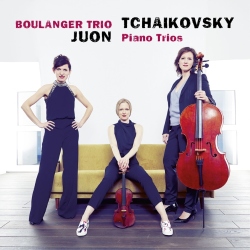
Litaniae in C sharp minor, Op.70
Allegro moderato. Scherzando. Largo. Finale: Allegro moderato
18:1

14
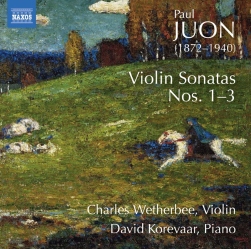
Sonata for violin & piano no. 3 in B flat minor, Op. 86
Violin Sonata No. 3 in B minor, Op. 86
17:51
15
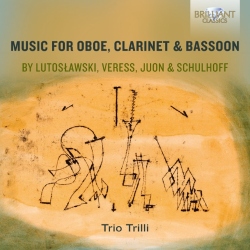
5:3
Copyright Ⓒ 2013 Davinci Finger. All rights reseved
Service Terms & Policy