


Emil Petrovics
Released Album
Chamber
-
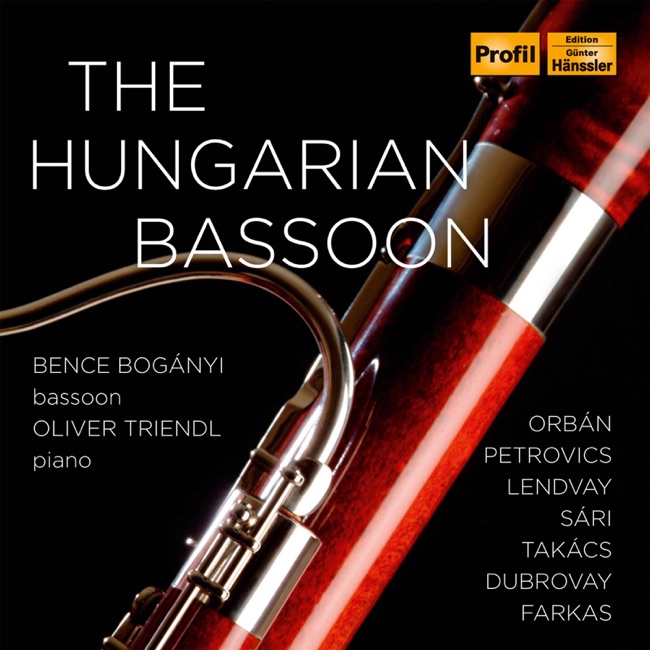 November 10, 2014
 -
 August 1, 2002
 -
 June 21, 2001
 -
 November 21, 2000
Concerto
-
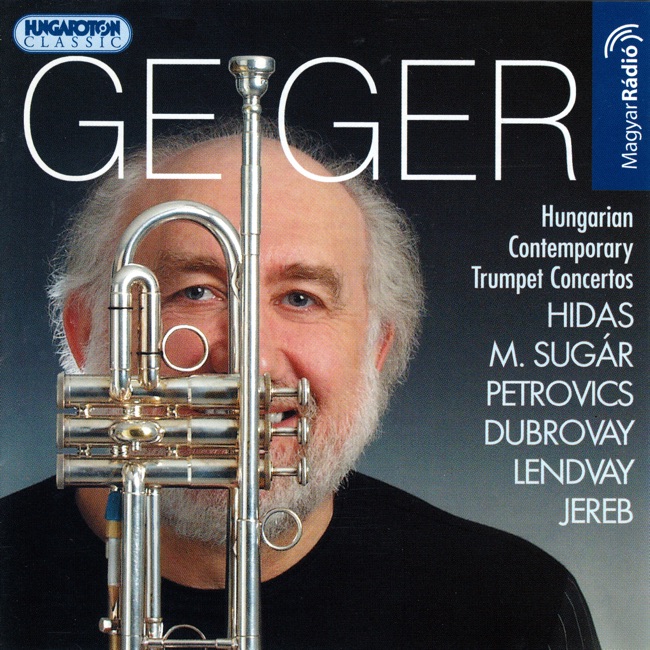 September 28, 2004
Artist Info
Role:ComposerBirth:February 9, 1930Period:ContemporaryGenre:ChamberEmil Petrovics was a Hungarian composer who was born on January 22, 1917, in Budapest, Hungary. He was the son of a music teacher and grew up in a musical family. His father, Lajos Petrovics, was a well-known composer and conductor in Hungary, and his mother, Ilona Petrovics, was a pianist. Emil Petrovics began his musical education at a young age, studying piano and composition with his father. He later attended the Franz Liszt Academy of Music in Budapest, where he studied composition with Zoltán Kodály and conducting with Albert Siklós. He graduated from the academy in 1941 with a degree in composition. After graduation, Petrovics worked as a music teacher and conductor in Hungary. He also continued to compose, and his works began to gain recognition in Hungary and abroad. In 1956, he was awarded the Kossuth Prize, the highest honor for artists in Hungary. Petrovics' music is characterized by its use of Hungarian folk music and its incorporation of modernist techniques. His works include orchestral pieces, chamber music, choral music, and operas. Some of his most famous works include his Symphony No. 1, his Concerto for Orchestra, and his opera The Siege of Sziget. Petrovics' Symphony No. 1, which he composed in 1948, is a powerful work that reflects the turmoil of post-World War II Hungary. The piece is characterized by its use of dissonance and its incorporation of Hungarian folk melodies. The Symphony was well-received in Hungary and abroad, and it helped establish Petrovics as a major composer. Petrovics' Concerto for Orchestra, which he composed in 1954, is another important work in his oeuvre. The piece is a virtuosic showcase for the orchestra, with each section of the orchestra given a chance to shine. The Concerto is characterized by its use of complex rhythms and its incorporation of Hungarian folk music. Petrovics' opera The Siege of Sziget, which he composed in 1961, is based on the historical siege of the Hungarian fortress of Szigetvár by the Ottoman Empire in 1566. The opera is a powerful work that reflects the struggle of the Hungarian people against foreign invaders. The piece is characterized by its use of Hungarian folk music and its incorporation of modernist techniques. Throughout his career, Petrovics remained committed to the use of Hungarian folk music in his compositions. He believed that folk music was an important part of Hungary's cultural heritage and that it should be incorporated into contemporary classical music. His works helped to establish a new style of Hungarian classical music that was both modern and rooted in tradition. Emil Petrovics died on December 17, 1980, in Budapest, Hungary. He left behind a legacy of important works that continue to be performed and admired today. His contributions to Hungarian classical music have been recognized with numerous awards and honors, including the Order of Merit of the Hungarian People's Republic and the Bartók-Pásztory Award.More....
Recent Artist Music
1
10:0
Copyright Ⓒ 2013 Davinci Finger. All rights reseved
Service Terms & Policy